


The Recommended Reading Order: Publication vs. Chronological
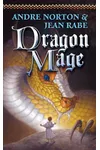
For most readers, the best way to experience Andre Norton's Magic Sequence (also referred to as the Magic Books) is in publication order. Because each of the first six books features entirely different characters, standalone settings, and distinct magical portals, there is no overarching narrative thread that forces you to read them sequentially. However, the seventh book, Dragon Mage (co-authored by Jean Rabe and published posthumously), serves as a direct sequel to the events of Dragon Magic.
As a result, a chronological/connection-based order is highly recommended if you want to keep direct storylines together. Below are the two standard paths to navigating the series.
Path 1: Publication Order (Recommended for Classic Flow)
Reading the books in the order they were published allows you to experience the evolution of Andre Norton’s writing style and the shifting thematic focuses of the Vietnam era during which most of these books were written:
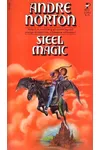
- Steel Magic (1965) – Also published under the title Gray Magic.
- Octagon Magic (1967)
- Dragon Magic (1967)
- Fur Magic (1968)
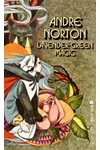
- Lavender-Green Magic (1974)
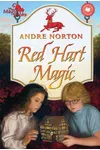
- Red Hart Magic (1976)
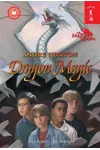
- Dragon Mage (2009) – Co-authored with Jean Rabe.
Path 2: Connection-Based Order (Recommended for Narrative Continuity)
If you prefer to read sequels immediately after their predecessors, this alternative order places the direct continuation of the dragon mythos back-to-back:
- Steel Magic (1965)
- Octagon Magic (1967)
- Dragon Magic (1967)
- Dragon Mage (2009) – Read here to resolve the direct sequel storyline.
- Fur Magic (1968)
- Lavender-Green Magic (1974)
- Red Hart Magic (1976)
Book-by-Book Guide to the Magic Sequence
1. Steel Magic (1965)
Originally published as Steel Magic (and later reprinted as Gray Magic), this opening novel follows three siblings—Sara, Greg, and Eric Lowry—who discover a mysterious gate on their uncle's property. They are swept away to the legendary realm of Avalon, where they must overcome their deep-seated personal fears to recover three stolen magical artifacts: a sword, a horn, and a cup. The story introduces Norton's signature theme of using cold iron and steel to combat ancient dark magic.
2. Octagon Magic (1967)
Lorrie Mallard is a lonely orphan struggling to fit in after moving to a new American town. She finds refuge in the Octagon House, a local historical landmark owned by the kind Miss Ashemeade. Inside, Lorrie discovers an intricate, eight-sided dollhouse that is an exact replica of the building. The dollhouse serves as a magical time portal, transporting Lorrie to the past where she interacts with previous residents, including a runaway slave and a Confederate deserter, helping her find her own inner strength and save the home from demolition.
3. Dragon Magic (1967)
Four neighborhood boys of diverse backgrounds—Sig, Ras, Artie, and Kim—find a strange puzzle box in an abandoned house. As they piece together four distinct dragons, each boy is pulled into a mythological adventure tied to his own cultural heritage. Sig encounters the Viking hero Sigurd; Ras travels to ancient Babylon; Artie witnesses the fall of Arthurian Britain; and Kim meets a legendary Chinese general. The shared journey bridges the social gaps between the boys, uniting them as close friends in the present day.
4. Dragon Mage (2009)
Begun by Andre Norton and completed posthumously by Jean Rabe, this direct sequel to Dragon Magic follows a young boy named Max who inherits a house and discovers the same dragon puzzle board. Max is drawn into a high-stakes adventure where he must navigate dragon lore and magical trials to prevent ancient dark forces from destabilizing the worlds.
5. Fur Magic (1968)
Sent to live with his uncle in Idaho while his father is deployed to Vietnam, city-boy Cory Alder is terrified of the untamed wilderness. After encountering a Nez Perce medicine man, Cory is magically transformed into a beaver named Yellow Shell in an alternate world ruled by intelligent animal tribes. To return to human form, Cory must help the animal tribes defeat the "Changer," a malevolent trickster god planning to enslave both realms.
6. Lavender-Green Magic (1974)
Siblings Holly, Judy, and Crockett Wade are sent to live with their grandparents in rural Massachusetts while their father is missing in Vietnam. Holly struggles with resentment and her identity as a Black girl in a predominantly white town. An old herb pillow transports the children back to the 17th century, where they are caught in a magical feud between two witch sisters, Tamar and Hagar. Holly's choices are central to saving the family's future and protecting the gentle witch Tamar from a Puritan mob.
7. Red Hart Magic (1976)
Chris Fitton and Nan Mallory are step-siblings who struggle to get along after their parents marry. Their lives change when they obtain a miniature model of the historic Red Hart Inn. The model transports them to three different periods of English history (the Elizabethan, Restoration, and Regency eras), where they must work together to face historical dangers. The courage and empathy they build during these time-slips help them resolve their real-world conflicts.
What to Know Before You Start
Andre Norton was a pioneer in speculative fiction, and the Magic Sequence highlights her ability to write meaningful stories for young adults. Set mostly during the Vietnam War era, the novels feature subtle real-world backdrops—such as missing or deployed parents—that ground the fantasy in emotional reality. Furthermore, Norton was ahead of her time in incorporating diverse, multiracial protagonists, such as the Wade siblings in Lavender-Green Magic and the multicultural cast of Dragon Magic. Because each book acts as an independent portal fantasy, you can safely read them as standalones, though the dragon books are best read in order.