







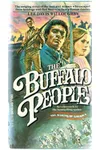

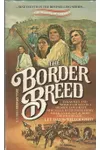
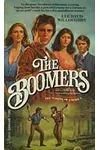
How to Read the Making of America Series
With 56 novels published between 1979 and 1988, the Making of America series is a monumental achievement in Western and historical paperback fiction. Because the series was designed as a panoramic tapestry of the American frontier rather than a single continuous narrative, readers have incredible flexibility in how they choose to explore it. There are three primary paths you can take to navigate this epic saga:
1. The Publication Order Path (Recommended)
Starting with the debut novel in 1979 and reading through to the end allows you to experience the series exactly as vintage paperback collectors did. This approach is highly recommended because it showcases the evolution of the series' style and the transition of its authorship from credited individuals to a unified house pseudonym. You will start with the earliest frontier days and witness how the publisher, Dell, shaped the series over nearly a decade.
2. The Standalone / Hop-Around Path
Because every single novel in the series is a complete, self-contained story with its own unique cast of characters, you do not need to follow a strict sequence. You can simply browse the titles and dive into the specific historical events, regions, or themes that interest you most. Whether you want to jump straight into the icy wilderness of the Klondike Gold Rush, the lawless streets of San Francisco, or the high-stakes battles of the Texas Rangers, you can pick up any book without feeling lost.
3. The Author-Centric Path
If you are a fan of specific classic genre writers, you might want to seek out their individual contributions to the series. For instance, horror and suspense fans frequently seek out Book 40, The Lawmen, specifically because it was penned by genre legend Richard Laymon. Mystery readers might target the entries written by Edgar Award-winner William L. DeAndrea. Tracking down the specific books written by your favorite ghostwriters is a fun and rewarding way to experience the collection.
The Mystery of Lee Davis Willoughby
For years, casual readers believed that the entire 56-book run of the Making of America series was the work of a single, incredibly prolific author named Lee Davis Willoughby. In reality, Lee Davis Willoughby was a collective house pseudonym (a shared pen name) created by Dell Publishing to build a consistent brand identity for the series, much like how the name Carolyn Keene was used for Nancy Drew.
The authorship of the series is actually divided into two distinct eras:
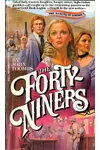
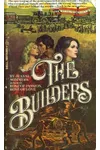
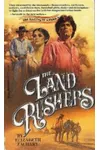
- The Credited Authors (Books 1–8): The first eight novels in the series were published under the actual names of their writers. This early group included Lou Cameron (who kicked off the series with The Wilderness Seekers in 1979), Aaron Fletcher, Jeanne Sommers, John Toombs, Paula Moore, Elizabeth Zachary, and Georgia Granger.
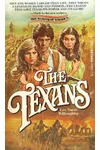
- The Pseudonymous Era (Books 9–56): Starting with Book 9, The Texans, in 1980, the publisher began using the "Lee Davis Willoughby" name on all covers. Behind this mask was a talented rotation of ghostwriters and established novelists. The core writers who kept the series running included suspense master Richard Laymon, acclaimed mystery novelist William L. DeAndrea, prolific crime writer Richard Deming, pulp veteran Michael Avallone, romance writer Jane Toombs, and novelist James R. Scafidel.
Publication Order vs. Chronological Order
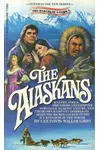
While some historical series attempt to cover history in a strict, linear chronological timeline, the Making of America series does not. The books frequently jump back and forth across different eras and geographical settings. For example, Book 1 (The Wilderness Seekers) focuses on the early pioneer migrations, Book 10 (The Alaskans) leaps forward to the late 19th-century Klondike Gold Rush, and other entries dive into early 19th-century conflicts or the Gilded Age's robber barons.
Because the chronology is non-linear and the characters do not carry over from book to book, there is no benefit to trying to arrange the books in historical chronological order. Sticking to the publication order remains the most practical and satisfying way to read the series.
A Crucial Caveat: The Book #57 Database Error
If you search for the Making of America series online, you will likely encounter metadata listings that include a 57th book titled Northeast Georgia: A History (published in 2001). This is a widespread database error that has confused collectors for years.
In reality, Northeast Georgia: A History is a non-fiction local history book written by the author Gordon Sawyer and published by Arcadia Publishing. Because of a metadata mapping error on early online bookstores and cataloging sites, this non-fiction book was accidentally associated with the Lee Davis Willoughby pseudonym and tacked onto the end of the Making of America series. The actual fiction series officially concluded in 1988 with Book 56, The Scarlet Sisters, written by James R. Scafidel under the house name.
Practical Reader Guidance
If you are ready to begin your journey through this classic frontier saga, here is what you need to know before you start:
- Best Starting Point: Start with Book 1, The Wilderness Seekers by Lou Cameron. It perfectly captures the gritty, adventurous tone of the series and lays the historical groundwork for the westward expansion themes that define the collection.
- Standcards and Continuity: There is zero continuity between the books. You do not need to worry about cliffhangers or missing plot points if you skip books or read them out of order. Each novel functions perfectly as a standalone experience.
- Tone and Style: The series successfully blends historical detail with the fast-paced, dramatic storytelling of vintage paperbacks. While the books are accessible and entertaining, they also showcase a broader, more diverse lens of the frontier than many traditional westerns of the era, focusing on pioneers, Native Americans, and immigrants alike.
- How to Find the Books: Since these books have been out of print for decades, they are highly sought-after collector's items. Your best bet for finding them is searching through used bookstores, library sales, and online marketplaces like eBay, ThriftBooks, and AbeBooks.