




Where to Start: The Two Best Reading Paths
The Malazan universe, co-created by Steven Erikson and Ian C. Esslemont, is one of the most detailed, rewarding, and massive constructs in modern epic fantasy. Because the books span multiple continents, eras, and subseries written by two different authors, deciding how to read them can be daunting. Thankfully, the fan community generally recommends two main entry paths depending on your experience level and commitment.
Path 1: The Core Ten (The Author's Recommended First Run)
If you are new to the Malazan world, the absolute best path is to read Steven Erikson’s flagship ten-book series, Malazan Book of the Fallen, in its original publication order. Trying to interweave the secondary novels on a first read-through often disrupts the narrative momentum, introduces tonal whiplash, and splits your focus across too many storylines. Erikson designed these ten books to stand as a self-contained, complete narrative arc.
- Gardens of the Moon (1999)
- Deadhouse Gates (2000)
- Memories of Ice (2001)
- House of Chains (2002)
- Midnight Tides (2004)
- The Bonehunters (2006)
- Reaper's Gale (2007)
- Toll the Hounds (2008)
- Dust of Dreams (2009)
- The Crippled God (2011)
Gardens of the Moon is the official gateway. While it plunges you directly into the middle of a conflict without hand-holding, it introduces the core mechanics of the world's magic, warrens, and imperial politics.
Path 2: The Ultimate Combined Reading Order
For re-readers, or ambitious fantasy fans who want the complete, widescreen experience of the Malazan world as it unfolds concurrently, the community has developed a unified, chronological-by-release combined order. This integrates Erikson's main ten books with Esslemont's Novels of the Malazan Empire, resolving parallel storylines that occur on other continents.
- Gardens of the Moon (Book of the Fallen 1)
- Deadhouse Gates (Book of the Fallen 2)
- Memories of Ice (Book of the Fallen 3)
- House of Chains (Book of the Fallen 4)
- Midnight Tides (Book of the Fallen 5)
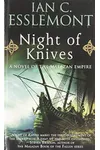
- Night of Knives (Novels of the Malazan Empire 1) - Introduces the pivotal events of a single night in Malaz City.
- The Bonehunters (Book of the Fallen 6)
- Reaper's Gale (Book of the Fallen 7)
- Return of the Crimson Guard (Novels of the Malazan Empire 2) - Deals with the political fallout within the Empire itself.
- Toll the Hounds (Book of the Fallen 8)
- Stonewielder (Novels of the Malazan Empire 3) - Focuses on the Korelri campaign.
- Dust of Dreams (Book of the Fallen 9) - Note: Read this and the next book back-to-back as they form one continuous novel.
- The Crippled God (Book of the Fallen 10)
- Orb Sceptre Throne (Novels of the Malazan Empire 4) - Returns to Darujhistan and Seguleh lore.
- Blood and Bone (Novels of the Malazan Empire 5) - Takes place on the mysterious continent of Jacuruku.
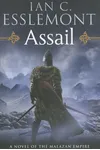
- Assail (Novels of the Malazan Empire 6) - Provides closure to several lingering threads from both authors.
Understanding the Subseries and Spin-Offs
Once you have conquered the core stories, the Malazan world expands outward into prequels, sequels, and character-focused side stories. Here is how they break down:
Path to Ascendancy (Ian C. Esslemont)
This prequel series explores the early days of the Malazan Empire, documenting how Kellanved (the later Emperor) and Dancer (his assassin companion) first met and built their legendary dominion. It is fast-paced, highly entertaining, and fills in major historical gaps. The publication order consists of:
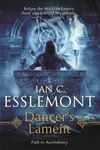
- Dancer's Lament (2016)
- Deadhouse Landing (2017)
- Kellanved's Reach (2019)
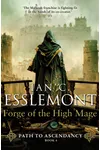
- Forge of the High Mage (2023)
- The Last Champion (Forthcoming)
The Kharkanas Trilogy (Steven Erikson)
This prequel series goes back hundreds of thousands of years before the main novels to tell the tragic history of the Tiste races (Andii, Edur, and Liosan), the elder gods, and the origins of the warrens. The style is much more philosophical, tragic, and Shakespearean in tone.
- Forge of Darkness (2012)
- Fall of Light (2016)
- Walk in Shadow (Forthcoming)
The Witness Trilogy (Steven Erikson)
This direct sequel series takes place years after the events of The Crippled God, focusing on the legacy of Karsa Orlong and the changing geopolitics of the world. It begins with:
- The God is Not Willing (2021)
- No Life Forsaken (Forthcoming)
Tales of Bauchelain and Korbal Broach (Steven Erikson)
If you need a break from world-ending stakes, these darkly comedic novellas follow two eccentric, companionable necromancers and their long-suffering manservant. They can be read at almost any time, but are best enjoyed after you've finished a few books of the main series to appreciate the satirical subversion of Malazan's typical grim magic rules.
What to Know Before You Start
Malazan was originally conceived by Erikson and Esslemont in the 1980s as a setting for their tabletop role-playing games (specifically using the GURPS system) and as a potential movie script. This tabletop heritage is why the world feels so lived-in, featuring geographical logic, tactical military battles, and characters who feel like they are executing complex player strategies.
Because the authors are both trained archaeologists and anthropologists, the history of the world is treated realistically. Civilizations rise, crumble, and leave layers of ruins. There is no simple good-versus-evil dichotomy; instead, you will find complex political motivations, moral gray areas, and deep, profound empathy for the average soldiers caught in the crossfire of gods and empires.