
The Recommended Reading Order for Marc Royce
For the best reading experience, the Marc Royce series should be read in its official publication order. Because the character development, underlying relationships, and personal struggles of the protagonist evolve across the books, reading them sequentially provides the most satisfying narrative arc. Fortunately, the chronological timeline matches the release order perfectly.
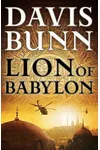
- Lion of Babylon (2011) – Marc is sent to Iraq to investigate the high-profile disappearance of CIA operatives, a local civilian, and a humanitarian worker.
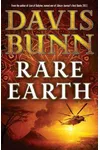
- Rare Earth (2012) – Posing as an auditor in Kenya's Rift Valley refugee camps, Marc uncovers a dangerous conspiracy involving military contractors and rare earth minerals.
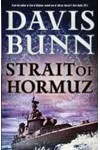
- Strait of Hormuz (2013) – Operating under the guise of an art-world investigator in Switzerland, Marc races against time to prevent a global blockade in the Middle East.
Why You Should Start with Lion of Babylon
While some suspense novels allow readers to jump in at any point, Lion of Babylon is the essential starting point for Marc Royce's journey. This book establishes Marc’s background as a former State Department operative who is disillusioned and searching for purpose. It introduces his unique operational style—relying on intellect, cultural respect, and unexpected alliances rather than raw firepower. Beginning here helps you understand his psychological starting point, his relationship with his superiors, and the spiritual framework that guides his actions in later books.
Chronological Timeline and Character Continuity
Although each book focuses on a distinct international crisis that is resolved by the final page, a strong thread of continuity runs through the trilogy. In particular, the introduction of Kitra Korban, an Israeli medical administrator, in Rare Earth changes the trajectory of Marc's personal life. Their relationship grows from professional allies to a deep personal connection that directly influences the stakes in the final volume, Strait of Hormuz. Reading the books out of order would spoil these personal dynamics and lessen the emotional impact of their partnership.
A Detailed Look at the Books
1. Lion of Babylon (2011)
In this debut installment, Marc Royce is pulled out of forced retirement for an off-the-books mission in Baghdad. When several American and Iraqi personnel go missing under mysterious circumstances, Marc must navigate a complex landscape of political corruption, religious tension, and regional instability. The book was highly acclaimed for its nuanced portrayal of the Middle East and was named a Best Book of 2011 by Library Journal.
2. Rare Earth (2012)
The second novel shifts the action to Kenya. Under the cover of auditing a humanitarian relief organization, Marc is tasked with investigating the exploitation of local tribes and the illegal extraction of rare earth minerals essential for global technology. Here, Marc meets Kitra Korban, and the two must work together to survive local militias and corporate greed. Rare Earth won the Christy Award for Suspense in 2012, highlighting its success in balancing adrenaline-fueled action with thematic depth.
3. Strait of Hormuz (2013)
The trilogy reaches its climax in Europe and the Middle East. With global trade threatened by a potential blockade of the Strait of Hormuz, Marc is sent to Geneva to track financial trails linked to international art markets. When his contact is murdered, Marc must team up with Kitra and Israeli intelligence to uncover a massive conspiracy before the shipping lanes are shut down. This final book wraps up Marc's operative career and provides closure to his personal relationship with Kitra.
What to Know Before You Start
T. Davis Bunn (who also publishes under the name Davis Bunn and the pseudonym Thomas Locke) is a veteran author known for his detailed research and realistic settings. Before starting the series, readers should keep a few things in mind:
- A Blend of Faith and Espionage: This series is classified as Christian suspense. While it features intense action and global political drama, the characters frequently reflect on morality, faith, and interfaith reconciliation. The spiritual themes are integrated naturally into the characters' internal struggles rather than being overly preachy.
- Standalone vs. Serial: Each book is structured around a complete, self-contained mission. If you happen to pick up Rare Earth first, you will still be able to follow the main plot easily, though the character arcs are best enjoyed sequentially.
- Geopolitical Realism: Bunn draws heavily on his own experience living and working internationally. The descriptions of Baghdad, Kenyan refugee camps, and Geneva are highly detailed and grounded in real-world socioeconomic realities.