









The Recommended Reading Order: Go with Publication Order
For the best reading experience, it is highly recommended to read the Marshal Guarnaccia series in its original publication order. While each mystery is self-contained and can theoretically be enjoyed as a standalone, the series features a subtle but rewarding longitudinal character arc. Over the course of the 14 novels, you will witness Salvatore Guarnaccia's personal life progress—including his relationship with his wife Teresa, the growth of his sons, and his evolving, slightly weary relationship with the city of Florence itself. Reading the books in order ensures that you experience these quiet personal milestones exactly as Nabb intended.
The Marshal Guarnaccia Bibliography in Publication Order
The series spans 27 years, beginning in 1981 and concluding posthumously in 2008. Below is the complete list of the investigations in chronological publication order:
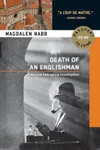
- Death of an Englishman (1981) – The debut novel that introduces Marshal Guarnaccia, who is suffering from flu when he is called to investigate the murder of an English expat in Florence.
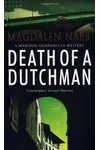
- Death of a Dutchman (1982) – Guarnaccia investigates the suspicious death of a Dutch jeweler in a sweltering Florentine summer.
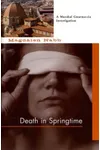
- Death in Springtime (1983) – A rare snowy March in Florence serves as the backdrop for a kidnapping case that leads the Marshal into the rugged hills of Tuscany.
- Death in Autumn (1985) – The discovery of a body in the Arno River pulls the Marshal into the dark secrets of Florence's high society.
- The Marshal and the Murderer (1987) – Set in a nearby art-crafts village, Guarnaccia looks into the disappearance of a young English woman.
- The Marshal and the Madwoman (1988) – The Marshal investigates the alleged suicide of a local woman in a neighborhood dominated by rumor and silence.
- The Marshal's Own Case (1990) – A deeply empathetic procedural where the Marshal takes a personal interest in solving the murder of a transvestite prostitute.
- The Marshal Makes His Report (1992) – A domestic shooting case forces the Marshal to navigate conflicting testimonies and bureaucratic pressure.
- The Marshal at the Villa Torrini (1993) – The Marshal looks into a death at an aristocratic country villa, exploring the gap between Italy's wealthy class and its workers.
- The Monster of Florence / The Marshal and the Forgery (1996) – Inspired by the real-life serial killer case, the Marshal investigates a complex web of art forgery and murder.
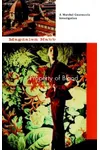
- Property of Blood (1999) – The kidnapping of a young Florentine heiress tests Guarnaccia's emotional limits.
- Some Bitter Taste (2002) – A request for protection from a frightened woman draws the Marshal into a complex family drama involving high-end fashion and blackmail.
- The Innocent (2005) – The Marshal works to uncover the truth behind the suspicious death of a young child and the accusations leveled at a local schoolteacher.
- Vita Nuova (2008) – Published posthumously, this final book deals with the heavy themes of human trafficking and the disappearance of a young student.
What to Know Before You Start: Inspiration and Tone
Magdalen Nabb was a British potter and writer who relocated to Florence in 1975. She spoke no Italian and knew no one upon arrival, but she quickly became fascinated by the local culture. She based the character of Salvatore Guarnaccia on a real Carabinieri officer she befriended near the Pitti Palace, where she would regularly visit the station to gather authentic details about local crimes and police procedures. This dedication to realism caught the attention of legendary mystery writer Georges Simenon, who became an early champion of Nabb's work.
Unlike flashy modern procedurals, the Guarnaccia novels are quiet, introspective, and heavily character-driven. The Marshal is a Sicilian outsider in Florence, often struggling with the local dialect, the cold winters, and the insular nature of Florentine society. His investigative style is deeply intuitive, relying on long conversations, patient observation, and a profound empathy for both the victims and the marginalized people who populate the city's alleys.
Practical Reader Advice
Where to Start: Always start with Death of an Englishman. It perfectly establishes the Marshal's character, his status as an outsider, and the atmospheric, slow-burn pacing that defines the rest of the series.
Standalone Viability: You can pick up any middle book and follow the mystery plot without confusion. However, because of the emotional depth and the gradual aging of the Marshal's family, starting from the beginning offers a much richer experience.
Alternate Titles: Note that the tenth book is sold under two different titles: The Monster of Florence in some editions and The Marshal and the Forgery in others. They are the exact same novel.