
The Recommended Reading Path
To experience the full weight of the Mayfair dynasty's supernatural history, you have two primary options. If you want a focused, standalone experience, you can read the core Lives of the Mayfair Witches trilogy in its direct publication order. However, because Anne Rice eventually merged this series with her famous vampires, the ultimate way to read the saga is by integrating the crossover novels from The Vampire Chronicles.
For the complete, interconnected experience, here is the recommended reading path:
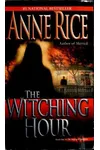
- The Witching Hour (1990) – The essential starting point. This massive novel introduces Rowan Mayfair, Michael Curry, the mysterious Talamasca organization, and the family spirit Lasher.
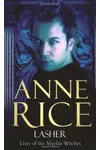
- Lasher (1993) – The direct sequel that explores the origins and biology of the spirit as it attempts to walk the earth in flesh.
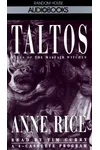
- Taltos (1994) – The final book of the core trilogy, which expands the mythology to cover an ancient, non-human race closely tied to the Mayfairs.
- Merrick (2000) – The first major crossover novel. Merrick Mayfair, a powerful witch from a branch of the family, uses her magic to aid the vampires Louis de Pointe du Lac and Lestat de Lioncourt.
- Blackwood Farm (2002) – The second crossover. Tarquin "Quinn" Blackwood seeks Lestat's help with a haunting, bringing the narrative back to New Orleans and the Mayfair family, including Rowan and Mona.
- Blood Canticle (2003) – The third crossover. Rowan Mayfair and Lestat's paths cross directly as they face the consequences of the Taltos lineage and the heavy burden of Mayfair magic.
The Core Lives of the Mayfair Witches Trilogy
Published between 1990 and 1994, the original trilogy is a masterpiece of gothic horror and urban fantasy. Instead of vampires, these books focus on a matriarchal dynasty of witches centered in New Orleans. If you only want to read the main witch storyline without diving into the wider vampire lore, you can stop after book three.
1. The Witching Hour (1990)
This book is the cornerstone of the franchise. It tells the story of Rowan Mayfair, a brilliant California neurosurgeon who does not know she is the heir to a centuries-old family of witches. When she rescues a drowning man, Michael Curry, they both discover they possess supernatural gifts. Returning to Rowan's ancestral home in New Orleans, they uncover the dark history of the Mayfairs, documented over generations by a secret society of paranormal researchers called the Talamasca.
2. Lasher (1993)
Picking up immediately after the shocking events of the first book, this installment focuses on the entity Lasher. As Rowan is held captive by the creature in its quest to reproduce and establish a new species, Michael Curry and the remaining Mayfairs must search for her while unraveling the biological secrets of their own family tree.
3. Taltos (1994)
The trilogy concludes by shifting focus to the ancient, mystical race known as the Taltos. When a new Taltos is born, it triggers a quest that connects the Mayfairs to ancient Scotland and reveals the deep-rooted origins of the forces that have haunted their family for centuries. This book leans heavier into fantasy and folklore than the pure gothic horror of the first two novels.
The Crossover Era: Connecting with the Vampires
In 2000, Anne Rice began weaving the storylines of the Mayfair Witches and The Vampire Chronicles together. Reading these crossovers is highly recommended because they wrap up unresolved plotlines from Taltos and follow the lives of key characters like Rowan, Mona, and Merrick Mayfair.
- Merrick (2000): While technically marketed as part of The Vampire Chronicles, this book is centered on Merrick Mayfair, a Voodoo practitioner and Talamasca agent. It explains what happened to the Talamasca after the events of the witch trilogy and serves as a vital bridge between the two worlds.
- Blackwood Farm (2002): This novel introduces the haunted estate of Blackwood Farm. Lestat becomes a mentor to the young vampire Quinn Blackwood, whose family history is deeply entwined with the Mayfairs. Mona Mayfair plays a central role in this story.
- Blood Canticle (2003): Originally intended as the final book for both series, this novel brings Lestat and Rowan Mayfair together. It resolves the fates of the main characters from both lineages, dealing with the aftermath of the Taltos gene and the price of immortality.
Practical Reader Advice and Caveats
Can the Witch Books Be Read Standalone?
Yes. You can read The Witching Hour, Lasher, and Taltos as a self-contained trilogy. You do not need to read any vampire books to understand them. However, if you choose to read the crossover novels (Merrick, Blackwood Farm, and Blood Canticle), you should absolutely read the main Vampire Chronicles books first—specifically Interview with the Vampire, The Vampire Lestat, and The Queen of the Damned—to understand the vampire characters who drive the plot.
Chronological vs. Publication Order
There is no benefit to trying to read the books chronologically. While the novels contain extensive flashbacks to 17th-century Scotland, historical France, and old New Orleans, these historical records are structured as files compiled by the Talamasca. They are designed to be read as mysteries uncovered by the modern characters, meaning publication order is the only order that makes narrative sense.
What to Know Before You Start
Anne Rice's writing style is dense, descriptive, and highly atmospheric. The Mayfair books deal with dark, mature themes, including incest, graphic violence, and moral ambiguity. The first book, The Witching Hour, contains a massive, multi-hundred-page "family history" section in the middle that slows down the main plot but is crucial for world-building. Be prepared for a slow-burn narrative that prioritizes atmosphere and lore over rapid action.
The On-Screen Adaptations
In 2023, AMC launched a television adaptation titled Mayfair Witches as part of their "Immortal Universe" franchise, alongside their adaptation of Interview with the Vampire. The show stars Alexandra Daddario as Rowan. While the series takes creative liberties with the plot and collapses certain characters, it maintains the core struggle between Rowan, her family legacy, and the enigmatic Lasher. Knowing the books' structure helps viewers appreciate how AMC is adapting the interconnected lore for television.