
How to Read the Morland Dynasty Series
The best and most rewarding way to read the Morland Dynasty series is in publication order. Because the books follow the chronological flow of British history and trace the descendants of a single family tree, the publication order matches the chronological order perfectly. Starting with the first book, The Founding, allows you to witness the birth of the dynasty during the Wars of the Roses and trace the family's rise, falls, and adaptations through 500 years of history up to the mid-20th century.
Can the Books Be Read as Standalones?
While each book is written as a self-contained story set against a specific historical backdrop, reading them out of order is generally not recommended for the best experience. The strength of the series lies in its multigenerational character development, recurring family traits, and the slow evolution of their ancestral home, Morland Place. However, the author has noted that later volumes, such as the 36th book The Gathering Storm (published in 2024), can be enjoyed as standalone entry points for readers who are specifically interested in the 20th-century setting, even if they miss the deep ancestral context of the earlier centuries.
Morland Dynasty Books in Order
Here is the complete list of all 36 books in the Morland Dynasty series in their recommended reading order:
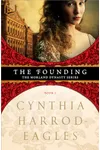
- The Founding (1980) – Set in 1434, launching the saga during the Wars of the Roses.
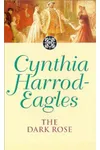
- The Dark Rose (1981) – Set in 1501, focusing on the Tudor court of Henry VIII.
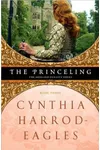
- The Princeling / The Distant Wood (1981) – Set in 1558, navigating Elizabethan intrigue and Mary, Queen of Scots.
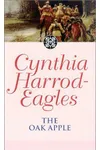
- The Oak Apple (1982) – Following the family during the English Civil War, starting in 1630.
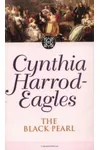
- The Black Pearl (1982) – Centered on the Restoration era of Charles II, starting in 1659.
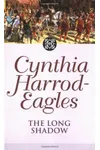
- The Long Shadow (1983) – Set during the reigns of Charles II and James II, starting in 1670.
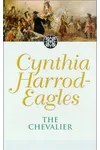
- The Chevalier (1984) – Spanning the reigns of William & Mary, Queen Anne, and George I, starting in 1689.
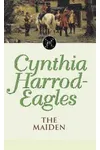
- The Maiden (1985) – Detailing the Jacobite risings and Bonnie Prince Charlie, starting in 1720.
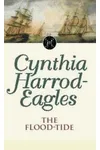
- The Flood-Tide (1986) – Covering the American War of Independence, starting in 1772.
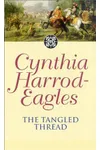
- The Tangled Thread (1987) – Set during the French Revolution and the Industrial Revolution, starting in 1788.
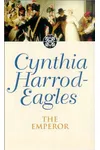
- The Emperor (1988) – Exploring the Napoleonic era and European conflicts.
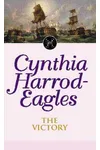
- The Victory (1989) – Focusing on the aftermath of Waterloo and the peace of 1815.
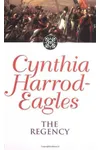
- The Regency (1990) – Delving into early 19th-century high society and fashion.
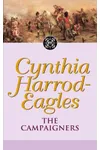
- The Campaigners (1991) – Following the family through early Victorian expansions.
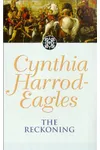
- The Reckoning (1993) – Set in the mid-19th century during industrial changes.
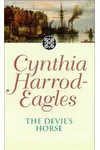
- The Devil's Horse (1994) – Navigating mid-Victorian social shifts and railway expansion.
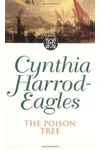
- The Poison Tree (1995) – Exploring late Victorian developments and family conflicts.
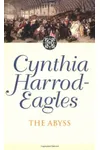
- The Abyss (1996) – Transitioning toward the turn of the 20th century.
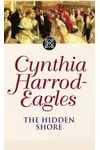
- The Hidden Shore (1996) – Highlighting social reform and imperial challenges.
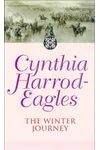
- The Winter Journey (1997) – Focusing on the late Victorian and Edwardian transition.
- The Outcast (1999) – Detailing the Edwardian era and social divides.
- The Mirage (2000) – Following the family in the years leading up to the Great War.
- The Cause (2001) – Highlighting the suffragette movement and political tensions.
- The Homecoming (2002) – Set during the outbreak of World War I in 1914.
- The Question (2002) – Navigating the challenges of the home front in WWI.
- The Dream Kingdom (2003) – Set during the latter years of the Great War.
- The Restless Sea (2004) – Dealing with the immediate aftermath of WWI.
- The White Road (2006) – Exploring the roaring twenties and social shifts.
- The Burning Roses (2006) – Highlighting interwar domestic struggles.
- The Measure of Days (2007) – Exploring social changes in the late 1920s.
- The Foreign Field (2009) – Following family members abroad in the interwar era.
- The Fallen Kings (2009) – Covering the onset of the Great Depression.
- The Dancing Years (2010) – Dealing with the struggles of the 1930s.
- The Winding Road (2011) – Highlighting political shifts in Europe.
- The Phoenix (2013) – Centered on the Abdication Crisis and late 1930s.
- The Gathering Storm (2024) – Set in 1936, dealing with the Abdication, Spanish Civil War, and the rise of Nazism.
Historical Eras of the Morland Saga
To help navigate this massive 36-book library, readers can think of the Morland Dynasty in four main historical arcs:
The Medieval and Tudor Beginnings (Books 1–3)
The series begins with The Founding, set in 1434. In this first arc, readers are introduced to Eleanor Courtney and Robert Morland. This segment covers the Wars of the Roses, the rise of the Tudor dynasty under Henry VIII, and the religious conflicts of the Elizabethan era. It establishes the Yorkshire estate of Morland Place, which becomes the physical anchor for the family throughout the centuries. These early books lay the groundwork for the family's wealth, setting up the sheep-farming legacy that helps them survive political storms.
The Civil War and Restoration Era (Books 4–7)
This period spans the turbulent 17th century, where the Morland family finds itself divided by political and religious loyalties. Books like The Oak Apple and The Black Pearl show the family surviving the English Civil War, the execution of Charles I, and the subsequent Restoration of the monarchy under Charles II. Readers will see how the family navigates the shifts between Puritan rule and royalist restoration, which tests their loyalty to the crown and to each other.
The Georgian and Regency Expansion (Books 8–13)
Moving into the 18th and early 19th centuries, the family adapts to the global stage. Books cover the Jacobite uprisings, the American Revolution, the rise of the Industrial Revolution, and the Napoleonic Wars, ending with the social heights of the Regency era. During this period, the family expands from its northern roots into London society and international trade, reflecting the growing global influence of the British Empire.
The Victorian, Edwardian, and World War Era (Books 14–36)
The final and most detailed arc spans from the mid-19th century to the cusp of World War II. The author spends more books covering shorter periods here, detailing the social reforms of the Victorian era, the rise of the suffragette movement, the horrors of World War I, the roaring twenties, the Great Depression, and finally the political anxiety of the mid-1930s in The Phoenix and The Gathering Storm. This section showcases the family's transition into the modern world, highlighting the contrast between the traditional landed gentry and the fast-paced 20th century.
What to Know Before You Start
The Concept of 'History Without Tears'
Author Cynthia Harrod-Eagles originally conceived the series in the late 1970s as a way to write "history without tears"—bringing British history to life through realistic, relatable characters rather than dry textbook facts. Meticulously researched, the books blend real historical figures and events with the fictional lives of the Morlands. Originally planned as a 12-book series, the immediate popularity of the books prompted the author to expand the scope, eventually spending 36 volumes to reach the 20th century.
The Inspiration for Morland Place
Though Morland Place is fictional, it is deeply rooted in real geography. Harrod-Eagles has noted that the estate was inspired by real historic houses in Yorkshire, particularly Beningbrough Hall near York. The estate itself acts as a silent character, reflecting the changing fortunes, architectural fashions, and economic realities of the family across the generations. As the house undergoes expansions and renovations, it mirrors the family's social standing.
Other Works by the Author
If you finish the Morland Dynasty and crave more, Cynthia Harrod-Eagles has written several other family sagas. These include the Ashmore Castle series (set in the early 20th century) and the WWI-focused War at Home series. She is also the author of the contemporary Bill Slider police procedural mysteries, which offer a completely different genre experience.