






The Recommended Reading Order for Mountain Majesty
The Mountain Majesty series follows a strict, linear chronological timeline tracking the life, family, and survival of frontiersman Cleve Bennett. Because the characters age, relationships evolve, and their journey progresses geographically across the early American frontier, it is highly recommended to read the books in their original publication order. Skipping ahead will cause you to miss key character growth, particularly the introduction of Cleve's wife, Second Son, and the birth and upbringing of their son, Billy-Wolf.
Here is the complete chronological and publication order of the series:
- Wild Country (1992): The saga begins as nineteen-year-old Cleve Bennett flees his home under the mistaken belief that he has killed his abusive father. Venturing into the uncharted Rocky Mountains to become a fur trapper, he must learn to survive brutal winters, hostile encounters, and wild beasts. Here, he meets Second Son, a fierce Cheyenne woman who has earned the status of a warrior within her tribe.
- The Untamed (1992): This installment deepens the bond between Cleve and Second Son. Together, they navigate the treacherous peaks of the Rockies, dealing with rival fur trappers, harsh wilderness conditions, and the challenge of blending their two very different worlds.
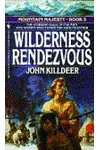
- Wilderness Rendezvous (1992): Set against the backdrop of the legendary annual fur trappers' gathering, Cleve fully adapts to the mountain man lifestyle. Amidst the trading, drinking, and storytelling of the rendezvous, dangerous new rivalries emerge that threaten his new life.
- Blood Kin (1993): As Cleve and Second Son build their family, they face the complexities of frontier alliances. The book explores the themes of heritage and survival as their son, Billy-Wolf, begins to grow up in a world caught between white settlers and Native American nations.
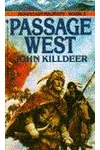
- Passage West (1993): Looking for new trapping grounds and safety, Cleve leads his family deeper into the western territories. They brave primitive wilderness paths, cross dangerous rivers, and encounter remote tribes with unpredictable intentions.
- The Far Horizon (1994): The encroachment of early westward expansion forces Cleve and his family to move further into the wild. They must navigate shifting tribal territories and the early signs of a changing American frontier.
- Fire on the Prairie (1995): Leaving the high peaks behind temporarily, the family faces the heat and hazards of the open grasslands. This book marks a transition in the series' authorship, bringing a slightly faster pace and higher stakes.
- The Savage Land (1995): The dramatic conclusion to the series. Cleve, Second Son, and a teenage Billy-Wolf find themselves far north, facing renegade Chipewyan warriors in a desperate struggle for their lives, their freedom, and their future.
What to Know Before You Start
Unlike traditional Westerns that focus on the late 19th-century era of six-shooters, steam trains, and dusty saloon standoffs, Mountain Majesty is a "pioneer western" or "mountain man" adventure. Set in the 1820s, the technology here is defined by single-shot flintlock rifles, powder horns, tomahawks, and bowie knives. Survival depends on tracking skills, trading beaver pelts, and understanding the complex politics of various Native American tribes, including the Cheyenne, Assiniboine, Arikara, and Chipewyan.
The series is also notable for its respectful and central portrayal of Native American culture. Second Son is not a passive companion but an active, formidable warrior whose skills and perspective are vital to the family's survival. This cross-cultural partnership gives the series a unique depth that sets it apart from many other pulpy Western novels of the 1990s.
The Faces Behind the Pseudonym "John Killdeer"
All eight books in the Mountain Majesty series were published under the house name John Killdeer. However, the series was actually the work of two distinct authors:
- Ardath Mayhar (Books 1–6): A highly versatile author known for her work in science fiction, fantasy, and Westerns, Mayhar penned the first six volumes. Her touch is evident in the series' deep focus on nature, historical accuracy, and the respectful depiction of Cheyenne customs and Second Son's character.
- David L. Robbins (Books 7–8): A prolific author of frontier fiction (often writing under pseudonyms like David Thompson), Robbins took over the house name for the final two novels. His books lean slightly more into high-stakes action and survival elements, successfully bringing Cleve Bennett's journey to a satisfying close.