


Where to Start with the MP-5 CIA Series
For readers looking to dive into the high-stakes world of modern espionage, the best starting point is the debut novel, Seven Days From Sunday (2010). Written by M.H. Sargent, the series introduces a highly specialized, elite four-person CIA counterterrorism team consisting of Gonz, McKay, Heisman, and Peterson. Reading the books in their order of release is highly recommended, as it allows you to watch the team's dynamics, personal bonds, and individual character growth unfold naturally from their very first mission.
MP-5 CIA Books in Publication and Chronological Order
Fortunately for fans of linear timelines, the publication order of the MP-5 CIA series matches the internal chronological order of the team's missions. You can follow the list below to read the series exactly as it was written and experienced by the characters:
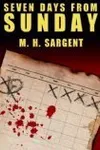
- Seven Days From Sunday (2010): The team is sent into the heart of Iraq to stop a top terrorist leader from executing a captured American hostage and launching a devastating plot.
- The Shot To Die For (2010): The high-stakes action continues as the team faces a complex international conspiracy where every second counts.
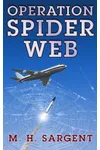
- Operation Spider Web (2010): A Taliban plot threatens to escalate into a nuclear conflict between India and Pakistan, forcing the team to navigate delicate diplomatic and military minefields.
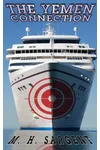
- The Yemen Connection (2010): The operatives must blackmail a wealthy businessman to prevent a catastrophic biological weapon assault from being unleashed on American soil.
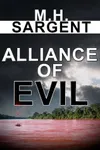
- Alliance of Evil (2011): The team uncovers a terrifying alliance between Middle Eastern extremist cells and powerful Mexican drug cartels.
- The Birdwatchers (2012): Espionage becomes personal as the CIA team deals with betrayal, counter-intelligence, and shadow operations.
- A Containable Incident (2014): A local incident threatens to blow up into a massive geopolitical crisis, requiring the team's immediate and silent intervention.
- Ghost Gathering (2015): The team must operate in the shadows to stop a gathering threat before it manifests into global devastation.
- The Rapier (2017): The final entry in the main series wraps up the team’s long-running missions with a high-stakes showdown.
Chronological Reading Order and Continuity Advice
Because the series spans multiple real-world conflicts, the timeline moves forward alongside the actual publication years (2010 to 2017). There are no prequels or complex timeline jumps to worry about. While each book focuses on a standalone mission or specific threat—such as nuclear escalation, biological warfare, or drug cartel alliances—the interpersonal relationships between Gonz, McKay, Heisman, and Peterson carry over from one book to the next. Skipping around will not ruin the plot of individual missions, but it will spoil the developmental arc of the team's internal chemistry, trust, and humor.
Spinoffs, Tie-ins, and Related Works
M.H. Sargent has kept his fictional universes relatively self-contained. The MP-5 CIA series concluded with the release of The Rapier in 2017, as the author shifted his focus toward other projects. However, fans of Sargent's fast-paced writing style can also explore his newer FROG Spy Thriller series, which began in 2023 with The Liquid Solution. It is important to note that the FROG series operates in a separate spy universe with a new cast of characters and does not feature direct crossovers or plot points from the MP-5 CIA novels.
What to Know Before You Start
M.H. Sargent’s background in screenwriting brings a distinctly cinematic flair to the MP-5 CIA thrillers. The pacing is relentless, the descriptions of international hotspots like Iraq, Yemen, and Hong Kong are detailed, and the dialogue is sharp. One of the series' greatest strengths is its balance of tone; despite dealing with heavy topics like global terrorism and biological weapons, the banter between characters—especially Gonz and Heisman—adds a welcome layer of humor and humanity. Additionally, Sargent makes a conscious effort to depict local populations with complexity rather than relying on standard genre tropes, giving the series a more authentic feel.