




How to Read the Darcy Saga
Sharon Lathan’s popular Darcy Saga offers a deeply romantic, sensual continuation of Jane Austen’s classic Pride and Prejudice. Spanning prequels, the main series, and spin-off companion novels, the series chronicles the lives, love, and growing family of Elizabeth Bennet and Fitzwilliam Darcy. To experience their relationship from their initial betrothal through their decades together, readers can choose between two primary reading paths: the Chronological Order (following the story's timeline) or the Publication Order (following how the books were released).
1. Recommended Chronological Reading Order
For the most seamless narrative experience, reading the series chronologically allows you to watch Darcy and Elizabeth's love blossom from their engagement onwards, before diving into the lives of their family members. Note that The Passions of Dr. Darcy is a special case: it covers a lifetime of events before the main series but is best read as a prequel or saved until after you are familiar with the family.
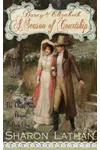
- Darcy & Elizabeth: A Season of Courtship (Prequel Duo Book 1) – Set during the first month of their two-month engagement immediately following Mr. Darcy’s second proposal.
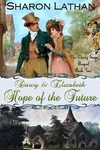
- Darcy & Elizabeth: Hope of the Future (Prequel Duo Book 2) – Covers the second month of their betrothal, their time in London, and their grand wedding.
- Mr. & Mrs. Fitzwilliam Darcy: Two Shall Become One (Main Saga Book 1) – Opens on their wedding day and follows the first five months of their newlywed life adjusting to Pemberley.
- Loving Mr. Darcy: Journeys Beyond Pemberley (Main Saga Book 2) – Details the Darcys' travels through Regency England and their grand entry into London high society.
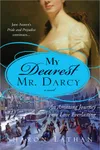
- My Dearest Mr. Darcy: The Darcys at Year's End (Main Saga Book 3) – Explores the conclusion of their first year of marriage, focusing on their deepening bond and seasonal celebrations.
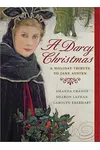
- A Darcy Christmas (Companion Novella) – A multi-decade collection of festive vignettes tracing the Darcys' holiday seasons over more than twenty years.
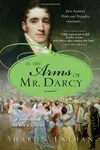
- In the Arms of Mr. Darcy (Main Saga Book 4) – Focuses on their growing family and introduces expanding subplots for supporting characters like Georgiana Darcy.
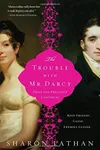
- The Trouble with Mr. Darcy (Main Saga Book 5) – Brings dramatic tension to Pemberley with the unexpected return of George Wickham.
- Miss Darcy Falls in Love (Companion Book 2) – Shakes up the narrative by following Georgiana Darcy on a grand tour of Europe, where she finds romance in Paris.
- The Passions of Dr. Darcy (Companion Book 3) – An epic prequel/spin-off tracing 34 years in the life of Dr. George Darcy, Fitzwilliam's adventurous uncle, and his travels to India.
2. Publication Reading Order
If you prefer to read the series in the order the author wrote and released them, follow the publication timeline. This path introduces the core Darcy relationship first before expanding the universe with holiday specials, sibling romances, uncle spin-offs, and finally, the engagement prequels.
- Mr. & Mrs. Fitzwilliam Darcy: Two Shall Become One (2007)
- Loving Mr. Darcy: Journeys Beyond Pemberley (2009)
- My Dearest Mr. Darcy: The Darcys at Year's End (2010)
- A Darcy Christmas (2010)
- In the Arms of Mr. Darcy (2010)
- The Trouble with Mr. Darcy (2011)
- Miss Darcy Falls in Love (2011)
- The Passions of Dr. Darcy (2013)
- Darcy & Elizabeth: A Season of Courtship (2014)
- Darcy & Elizabeth: Hope of the Future (2017)
What to Know Before You Start
Unlike Jane Austen's original work, which relies heavily on Regency-era social satire and subtle irony, Sharon Lathan's saga is unapologetically romantic and emotionally intense. The books are known for their modern, sensual tone and detailed descriptions of intimacy between the married couple. While purists may find the style modern, fans of Austen sequels celebrate Lathan's dedication to giving Elizabeth and Darcy a passionate, uninterrupted 'happily ever after.'
Furthermore, because the series features recurring side characters, reading the main saga books (1 through 5) in sequence is highly recommended to understand the changing dynamics of the household, the birth of the Darcy children, and the subplots surrounding Colonel Fitzwilliam, Kitty Bennet, and Georgiana.