

The Recommended Reading Order for Mulberry Lane
Rosie Clarke’s beloved Mulberry Lane series is a classic multi-generational family saga that follows the residents of a tight-knit London street. Because the books follow a linear timeline and feature deep, recurring character development, the absolute best way to experience the series is in order of publication. Reading them chronologically prevents spoilers regarding weddings, births, losses, and major plot developments that occur as the years roll by.
Here is the complete list of the Mulberry Lane novels in their recommended reading order:
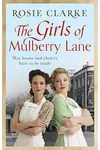
- The Girls of Mulberry Lane (Published 2017) – Set in 1938, on the eve of World War II.
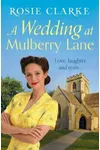
- A Wedding at Mulberry Lane (Published 2018) – Set in 1939–1940 as war breaks out and the Blitz begins.
- Mulberry Lane Babies (Published 2018) – Set in 1941, focusing on new life and resilience during the blackout.
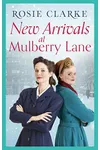
- New Arrivals at Mulberry Lane (Published 2018) – Set in 1943, introducing Rose Merchant and her troubled past.
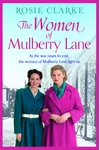
- The Women of Mulberry Lane (Published 2019) – Set during the final stages of the war (1944–1945) as residents await the end of the conflict.
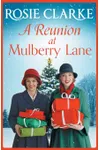
- A Reunion at Mulberry Lane (Published 2020) – Set in post-war 1949, following a family move to Devon and a Christmas return.
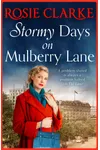
- Stormy Days on Mulberry Lane (Published 2021) – Set in 1950, involving a family crisis and a mysterious market collapse.
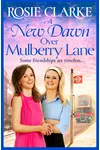
- A New Dawn on Mulberry Lane (Published 2022) – Set in 1958, following the younger generation as they enter adulthood.
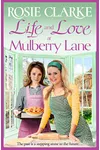
- Life and Love at Mulberry Lane (Published 2023) – Set in 1961, as Peggy and Able travel to America while business empires grow.
- Last Orders at Mulberry Lane (Published 2024) – Set in 1962, serves as the final book in the saga as the swinging sixties arrive.
Understanding the Mulberry Lane Timeline
Unlike some historical sagas that remain frozen in a specific era, the Mulberry Lane books span over two decades of British history. The series begins in 1938 on the brink of World War II, capturing the mounting tension and anxiety in London’s East End. As you progress through the first five books, you live through the daily realities of the war years: blackouts, rationing, air raids, and the constant fear of losing loved ones. These books heavily feature the community at the local pub, the Pig & Whistle, and the guesthouse run by Peggy Ashley (later Ronoscki).
From the sixth book, A Reunion at Mulberry Lane, the story shifts into the post-war era, moving from 1949 through the 1950s, and finally concluding in the early 1960s with Last Orders at Mulberry Lane. This transition allows readers to watch characters grow from young girls into mothers and eventually grandmothers, while their children take center stage with their own modern ambitions, business ventures, and romances in a rapidly modernizing London.
What to Know Before You Start
The series is penned by Rosie Clarke, a pseudonym for the incredibly prolific British author Linda Sole. Writing under various pen names (including Cathy Sharp and Anne Herries), Sole has published over a hundred novels. Under the Rosie Clarke name, she writes warm, emotional family sagas that balance grit and hope. If you enjoy television dramas like Call the Midwife or the historical sagas of Nadine Dorries, the atmosphere of Mulberry Lane will feel instantly familiar.
A common question readers have is whether these books can be read as standalones. While each novel resolves its immediate central plot and contains brief recap summaries of past events, reading them out of order is not recommended. The overarching story arcs—specifically Peggy’s marriages, Maureen’s family struggles, and the growth of the local businesses—rely heavily on the context of the previous books. To get the most emotional impact from the series, start at the very beginning with the first book.
Wider Connections: What to Read Next
With the publication of Last Orders at Mulberry Lane in 2024, the series is officially complete. However, if you are looking for more stories in the same style, Rosie Clarke has written other historical sagas that share a similar community-driven feel. Her Dressmakers’ Alley series and Harpers Emporium series are excellent choices. Interestingly, Clarke has mentioned that there are subtle crossovers and connections between the universes; readers who pay close attention might notice younger versions of familiar characters appearing across these different book series, making them a perfect follow-up read.