
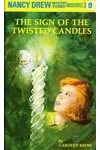
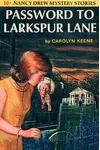
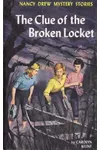
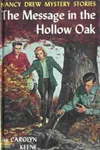
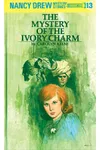

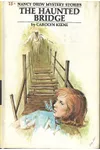
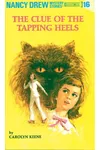
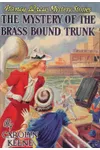




























Where to Start Your Nancy Drew Journey
Navigating nearly a century of mysteries in River Heights can feel like a case in itself. Fortunately, because Nancy Drew's adventures are largely episodic, you do not need to follow a strict chronological sequence. You can choose the entry point that best matches your reading style:
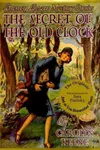
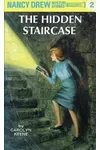
- The Vintage Classic Start: Begin with The Secret of the Old Clock (Book 1) and The Hidden Staircase (Book 2). These two stories established Nancy's signature pluck, her blue roadster, and her knack for outsmarting criminals.
- The Modern Era Start: If you prefer contemporary technology, cell phones, and first-person storytelling, start with Curse of the Arctic Star, the first book in the Nancy Drew Diaries series (launched in 2013).
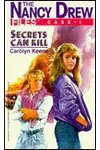
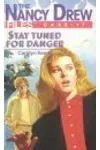
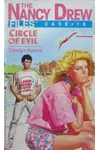
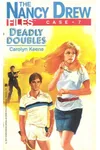
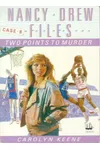
- The Retro-80s Edge Start: For readers seeking higher stakes, romance, and teenage drama, Secrets Can Kill, the opener of The Nancy Drew Files (1986), is the perfect starting point.
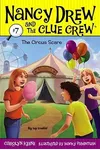
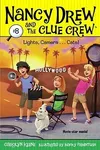
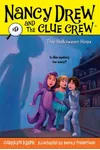
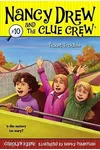
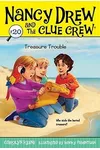
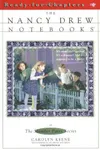
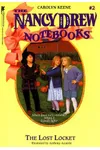
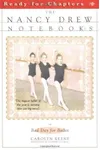
- Young Detectives: For younger readers, the Notebooks or Clue Crew series feature a younger, eight-year-old Nancy solving age-appropriate school and neighborhood mysteries.
What to Know Before You Start: Pseudonyms and Revisions
Before diving in, there are two crucial aspects of Nancy Drew history that every reader and collector should understand:
The Legend of Carolyn Keene
Every Nancy Drew book is credited to Carolyn Keene. However, Carolyn Keene does not exist. It is a collective pseudonym created by the Stratemeyer Syndicate. The series was outline-driven, created by Edward Stratemeyer (and later his daughter, Harriet Adams), and written by a succession of ghostwriters. The most famous of these ghostwriters was Mildred Wirt Benson, who penned 23 of the first 30 books and is widely credited with giving Nancy her independent, adventurous spirit.
Original Texts vs. Revised Editions (The 25-Chapter Debate)
If you are collecting the classic "yellow spine" hardbacks (originally published by Grosset & Dunlap), be aware that books 1 through 34 exist in two completely different versions:
- Original Texts (1930–1956): These feature 25 chapters, containing more detailed subplots, vintage 1930s/40s language, and a slightly more headstrong, independent Nancy.
- Revised Texts (1959–1977): To modernize the books, reduce printing costs, and remove outdated cultural stereotypes, the Syndicate systematically revised and shortened the first 34 books to 20 chapters. The plots were simplified, and Nancy's personality was softened to be more conformist.
Books 35 through 56 were only ever written in the 20-chapter format, so they do not have original variations. If you want to experience Nancy as she was originally written, look for older editions with 25 chapters. If you want the nostalgic versions that dominated classrooms in the late 20th century, the 20-chapter yellow spines are the ones to choose.
The Evolution of the Nancy Drew Series
Over the decades, Nancy has evolved to fit the times. Here is how the major series and subseries break down:
1. Classic Nancy Drew Mystery Stories (Books 1–175)
This is the backbone of the franchise, running from 1930 to 2003. It is divided into two distinct publication eras:
- The Grosset & Dunlap Era (Books 1–56): Published in hardcover from 1930 to 1979. These are the books associated with the famous yellow spine design. They are almost entirely standalone, though characters like Ned Nickerson, Bess Marvin, and George Fayne are introduced early on and remain constant companions.
- The Simon & Schuster Era (Books 57–175): Beginning with The Triple Hoax in 1979, publication shifted to Simon & Schuster. These books were released as softcover digests under imprints like Wanderer, Minstrel, and Aladdin. They feature modernized settings and technology, running until the series was discontinued in 2003 with Werewolf in a Winter Wonderland.
2. The Nancy Drew Files (1986–1997)
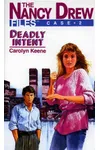
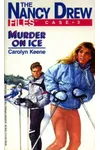
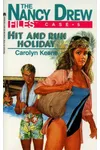
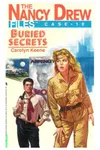
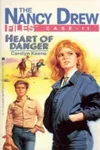
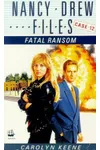
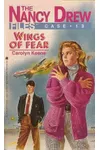
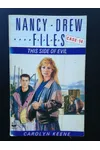
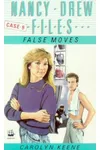
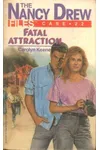
Targeted at a slightly older young-adult audience, this spin-off series ran for 124 books (ending with Crime at the Chat Café). These paperbacks feature more mature themes, romance, fashion, and dangerous cases where Nancy occasionally works alongside police or federal agents. The opening book, Secrets Can Kill, set the tone for this more dramatic era.
3. Nancy Drew: Girl Detective (2004–2012)
Replacing the original Mystery Stories, this series modernized Nancy with first-person narration and a hybrid of standalone cases and multi-book story arcs (such as the Malibu Mayhem, Identity Mystery, and Sabotage Mystery trilogies). Nancy also drives a hybrid car in these books, reflecting contemporary environmental themes.
4. Nancy Drew Diaries (2013–Present)
The current active series returned to a classic mystery format but kept the first-person perspective. It features a contemporary River Heights with updated technology, starting with Curse of the Arctic Star.
Hardy Boys Crossovers and Spin-offs
Nancy has frequently teamed up with fellow Stratemeyer Syndicate stars Frank and Joe Hardy. If you enjoy crossover adventures, look for these two series:
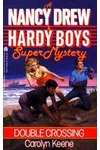
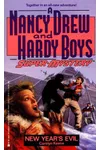
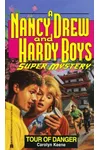
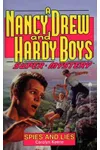
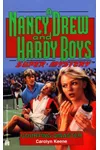
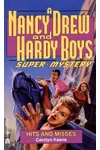
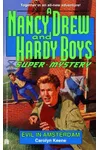
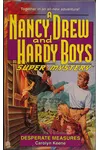
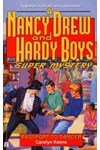
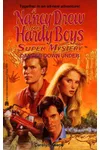
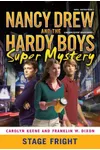
- Nancy Drew and Hardy Boys Super Mystery: Active from 1988 to 1998 with 36 action-packed books.
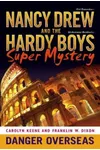
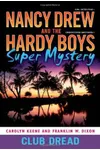
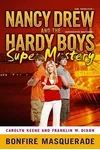
- Nancy Drew/Hardy Boys Super Mystery (II): A short-lived follow-up series from 2007 to 2012 consisting of 6 volumes.