

The Recommended Reading Path
For the vast majority of readers, the best way to experience Nell Bray’s adventures is in their publication order. Gillian Linscott wrote the series in a way that allows Nell’s character, relationships, and political involvement with the Women’s Social and Political Union (WSPU) to develop naturally. Reading the books as they were published helps you appreciate the evolving historical backdrop, from pre-war suffragette protests to the horrors of the First World War and the subsequent political landscape of the late 1910s.
However, if you are a chronological purist, you will encounter a few timeline shifts. While the first nine books follow a linear path through the Edwardian era, the final two novels act as prequels, jumping back to the year 1900 to explore Nell's formative years. Below, we break down both reading methods so you can choose the path that suits you best.
Option 1: Publication Order (Recommended)
Starting with Nell’s first case in 1991, the publication order is the most satisfying path. It introduces Nell at the height of her activist career and tracks her personal growth alongside the historical timeline of the suffrage movement.
- Sister Beneath the Sheet (1991)
- Hanging on the Wire (1993)
- Widow's Peak (1994) – Also published as An Easy Day for a Lady
- Stage Fright (1994)
- Crown Witness (1995)
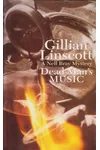
- Dead Man's Music (1996) – Also published as Dead Man's Sweetheart
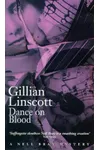
- Dance On Blood (1998)
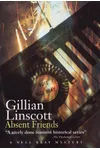
- Absent Friends (1999) – Winner of the CWA Ellis Peters Historical Dagger
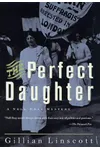
- The Perfect Daughter (2000)
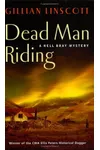
- Dead Man Riding (2002)
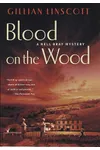
- Blood on the Wood (2004)
Option 2: Chronological Reading Order
For readers who want to follow Nell's life strictly in the order the events occurred, the timeline begins at the turn of the century during her student days at Oxford and concludes at the end of World War I.
- Dead Man Riding (Set in 1900): Explores Nell's time as an undergraduate student at Oxford University in the final year of Queen Victoria's reign.
- Blood on the Wood (Set in 1900): Nell finds herself entangled in a mystery involving a forged painting, socialism, and a corpse at a country house in the Cotswolds.
- Sister Beneath the Sheet (Set in 1909): Nell travels to Biarritz to secure a bequest for the suffragette movement, only to investigate the suspicious suicide of a wealthy woman.
- Stage Fright (Set in 1909): Set in theatrical London, Nell assists playwright George Bernard Shaw while dealing with marital inequality and murder.
- Widow's Peak (Set in 1910): Nell heads to the French Alps, where an alpine hiking trip turns deadly.
- Crown Witness (Set in 1910): Nell is caught up in London's political schemes and a high-stakes trial.
- Dead Man's Music (Set around 1910): Tracks a mystery centered on lost musical compositions and hidden pasts.
- Dance on Blood (Set in 1912): A story focusing on the height of militant suffrage protests and high-society secrets.
- The Perfect Daughter (Set in 1914): Set on the eve of the First World War, Nell investigates a family tragedy and social conformity.
- Hanging on the Wire (Set in 1917): Set during World War I, Nell works at a military hospital in Wales dealing with shell-shocked soldiers and murder.
- Absent Friends (Set in 1918): Nell stands for Parliament in the historic first election where British women are granted the right to vote, while simultaneously solving a series of murders.
What to Know Before You Start
Gillian Linscott’s series is a masterclass in blending cozy mystery tropes with rigorous historical realism. Nell Bray is not a passive observer; she is a militant suffragette who undergoes hunger strikes, faces arrest, and endures the harsh realities of the Edwardian penal system. The books do not shy away from the physical and emotional toll of the suffrage struggle, making the series feel grounded and urgent.
While each book features a self-contained mystery that is resolved by the final page, the overarching historical narrative—particularly the progression of the women's suffrage movement in the UK—unfolds chronologically. For this reason, reading out of order can occasionally spoil historical milestones or references to Nell's past activist campaigns.