

How to Read the Scot Harvath Series
For readers diving into Brad Thor's action-packed espionage universe, the best way to experience the series is in publication order. Because Scot Harvath's personal life, physical injuries, and emotional scars carry over directly from one book to the next, reading them out of order will spoil major character developments, shifts in his career, and significant losses. Additionally, the geopolitical landscape in the novels evolves in real-time, reflecting real-world events from the early 2000s post-9/11 era through to contemporary global tensions.
The Scot Harvath Reading Order List
This list compiles all the core novels, the essential spin-off, and digital short stories in their recommended reading sequence:
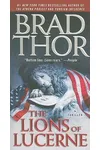
- The Lions of Lucerne (2002)
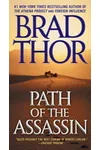
- Path of the Assassin (2003)
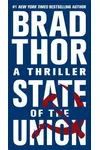
- State of the Union (2004)
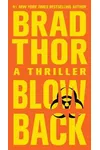
- Blowback (2005)
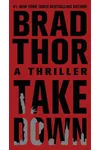
- Takedown (2006)
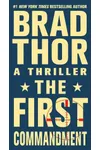
- The First Commandment (2007)
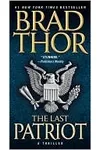
- The Last Patriot (2008)
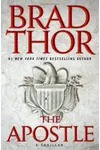
- The Apostle (2009)
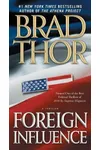
- Foreign Influence (2010)
- The Athena Project (2010) — A spin-off novel focusing on an all-female Delta Force unit. Scot Harvath makes a cameo appearance, and the events connect directly to the main storyline.
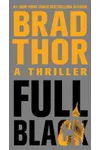
- Full Black (2011)
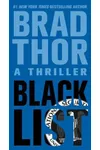
- Black List (2012)
- Free Fall (2013) — A digital-only short story (often numbered as Book 11.5) that serves as a prequel setup to Hidden Order.
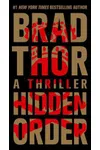
- Hidden Order (2013)
- Epilogue II (2013) — A short story (often numbered as Book 12.5) that provides extra closure to Hidden Order.
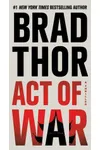
- Act of War (2014)
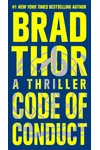
- Code of Conduct (2015)
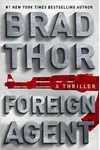
- Foreign Agent (2016)
- The Athens Solution (2016) — A short story (often numbered as Book 15.5) originally published in the Thriller anthology.
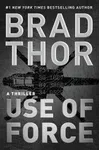
- Use of Force (2017)
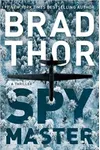
- Spymaster (2018)
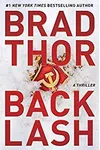
- Backlash (2019)
- Near Dark (2020)
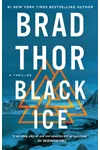
- Black Ice (2021)
- Rising Tiger (2022)
- Dead Fall (2023)
- Shadow of Doubt (2024)
- Edge of Honor (2025)
- Choke Point (2026)
Chronological vs. Publication Order: What You Need to Know
Fortunately for readers, the publication order of the Scot Harvath series matches the chronological timeline of the narrative. Brad Thor writes the books to take place roughly when they are released. The only minor deviations are the short stories (like Free Fall and The Athens Solution) and the spin-off novel The Athena Project.
While The Athena Project features a different team of protagonists—an elite, all-female Delta Force group—it is highly recommended to read it between Foreign Influence and Full Black. It establishes characters and organizations that reappear or influence events in the main Harvath narrative. The short stories are fun additions but are not strictly mandatory to understand the plot of the main novels; they can be read immediately before or after their companion books as listed above.
Major Story Arcs & Character Evolution
To help guide your reading, the Scot Harvath series can be broken down into four distinct eras that mark his transition from a government agent to a private operator, and eventually, a battle-hardened survivor:
1. The Secret Service & Early Government Missions Era (Books 1–5)
In this opening arc, we meet Scot Harvath as a young, intensely patriotic ex-Navy SEAL working for the Secret Service. The series kicks off with The Lions of Lucerne, where Harvath must rescue a kidnapped president in the Swiss Alps. These early books establish his tactical genius and his tendency to push boundaries, leading him to transition into a black-ops counterterrorism agent working directly under presidential authority.
2. The Carlton Group Era (Books 6–16)
As the political landscape shifts, Harvath begins working for the Carlton Group, a highly secretive private intelligence agency run by CIA legend Reed Carlton. This era features complex geopolitical conspiracies, where the U.S. government uses Carlton's team for deniable operations. Throughout these books, Harvath's relationship with Reed Carlton deepens into a mentor-protege bond, and he must navigate the challenges of Carlton's declining health while taking on more leadership within the organization.
3. The Post-Spymaster: Revenge & Survival Era (Books 17–20)
Starting with the shocking events at the end of Spymaster, Harvath's world is shattered. This arc represents the darkest and most personal period for the protagonist. In Backlash, Harvath is stripped of his usual support network and must fight for survival in the frozen wilderness of Russia. This run of books deals heavily with grief, revenge, and the physical and emotional limits of being a covert operative.
4. The Global Frontlines Era (Books 21–25)
Recovering from his personal ordeals, Harvath is thrust back into global conflict zones, handling threats that mirror real-world shifts in international power. From the borders of India in Rising Tiger to the war-torn regions of Ukraine in Dead Fall, this era showcases a more mature, cautious, yet deadly Harvath fighting to keep the Western world secure in a post-Cold War environment.
What to Know Before You Start
Brad Thor is known for his incredibly detailed tactical realism and geopolitical accuracy. Before writing, Thor frequently travels to the locations featured in his books and consults with members of the intelligence community, military operatives, and homeland security experts. In fact, Thor's work with the Department of Homeland Security's Red Cell Unit—a program designed to brainstorm potential terrorist attack scenarios—heavily informs the storylines, making them feel incredibly realistic.
Readers who enjoy the gritty realism of Tom Clancy or the relentless pace of Vince Flynn's Mitch Rapp series will find themselves right at home with Scot Harvath. The series does not shy away from the moral gray areas of modern warfare, and Harvath's status as a flawed, evolving human being is what keeps fans coming back book after book.