
The Recommended Reading Order
To fully appreciate the evolution of the characters and the overarching storylines, you should read Alex Grecian's Scotland Yard’s Murder Squad series in order of publication. The narrative moves chronologically forward, beginning in the immediate aftermath of the Jack the Ripper murders in 1889.
Here is the recommended reading order for the series:
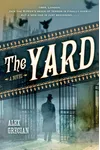
- The Yard (2012): This is the novel that introduces us to the newly formed Murder Squad. Inspector Walter Day is assigned to investigate the gruesome murder of one of their own detectives, aided by Dr. Bernard Kingsley, the Yard’s first forensic pathologist.
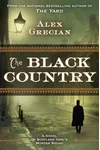
- The Black Country (2013): Inspector Day and Constable Nevil Hammersmith travel outside London to a remote, soot-covered colliery village in search of a missing family, encountering a community that guards its secrets fiercely.
- The Blue Girl (2013 / 2014): A digital-exclusive short story (frequently categorized as Book 2.5). It follows Constable Colin Pringle as he investigates the discovery of a deceased young woman in a canal whose skin has turned a striking shade of blue.
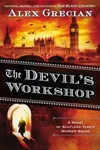
- The Devil's Workshop (2014): The stakes rise dramatically when a train crash releases a crowd of dangerous convicts back into London—including a member of the squad's past and an infamous killer associated with Jack the Ripper.
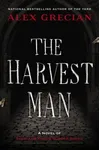
- The Harvest Man (2015): Following the traumatic events of the previous book, a injured Inspector Day takes a backseat while Constable Hammersmith tracks a new, terrifying serial killer operating in the dark corners of the city.
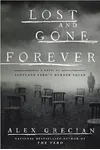
- Lost and Gone Forever (2016): The dramatic finale to the main series. Inspector Day has gone missing, and Constable Hammersmith must search the country to find his lost friend and colleague.
Publication Order vs. Chronological Order
Fortunately for readers, the publication order and the chronological order of the Scotland Yard’s Murder Squad series are identical. Alex Grecian wrote the books in a linear timeline, beginning in April 1889 and moving forward through the subsequent months and years. Because of this, you do not need to juggle complicated timelines or skip around the bibliography. Simply start with the first novel and read through to the final book to watch the characters grow and the world develop naturally.
What to Know Before You Start
Before diving into the smog-filled streets of Grecian's Victorian London, here are a few key details to keep in mind:
- The Historic Setting: The series begins in 1889, shortly after Metropolitan Police failed to capture Jack the Ripper. The public's trust in the police is at an all-time low, adding social tension to every investigation.
- The Birth of Forensics: A major theme throughout the books is the emergence of modern forensic techniques. Dr. Bernard Kingsley introduces pioneering methods like fingerprinting, post-mortem examinations, and crime scene preservation, which are met with skepticism by traditionalists.
- Gritty Tone: Unlike cozy Victorian mysteries, Grecian’s graphic novel background brings a cinematic, visceral, and sometimes gruesome realism to the page. It explores the psychological toll that investigating heinous crimes takes on the detectives.
Practical Reader Guidance and Standalone Status
We highly recommend starting your journey with The Yard. While each novel presents a primary mystery that is solved by the end of the book, the personal lives, trauma, and secondary subplots of the detectives carry over continuously. Skipping books will result in major spoilers, particularly regarding the fates of Inspector Day and Constable Hammersmith following the events of The Devil's Workshop. The digital short story, The Blue Girl, is an optional companion piece that offers excellent depth to Colin Pringle's character but is not strictly mandatory to understand the plot of the main novels.