
The Recommended Reading Order for Scott Finn
If you want to experience Scott Finn’s journey exactly as author David Hosp intended, the best way to read the series is in order of publication. Because the characters' personal lives, professional careers, and relationships evolve with each case, starting from the beginning allows you to see the scrappy defense attorney grow into a seasoned legal force. The main series consists of four tightly written novels that should be read in this sequence:
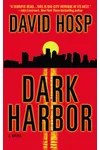
- Dark Harbor (2005): The series starts off with a bang. Scott Finn, a young lawyer struggling to build a name for himself, finds himself at the center of a nightmare when a close colleague and former lover is brutally murdered. As Boston homicide detectives zero in on Finn as their prime suspect, he must launch his own investigation to clear his name, plunging into the city's dark historical underbelly.
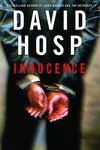
- Innocence (2007): In this second installment, Finn takes on a daunting wrongful conviction case, representing a man accused of a vicious assault on a female police officer. Heavily influenced by the author's real-life legal experiences, this entry explores the deeply flawed mechanics of the justice system, police corruption, and the long road to DNA exoneration.
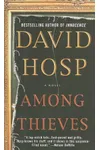
- Among Thieves (2009): David Hosp draws direct inspiration from Boston's real-world history in this third book, centering the plot around the infamous 1990 Isabella Stewart Gardner Museum art heist. Scott Finn is pulled into a deadly game of cat-and-mouse when a client seeks his help to return some of the world's most valuable stolen paintings, putting Finn and his team in the crosshairs of ruthless international criminals and federal agents.
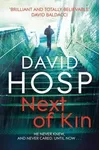
- Next of Kin (2011): The final core entry in the Scott Finn series shifts the stakes to national security. Following a devastating terrorist bombing in the heart of Boston, Finn is hired to defend a key suspect. This case forces Finn to navigate the post-9/11 legal landscape where civil liberties, national panic, and personal grief collide, testing his principles to their absolute limits.
Understanding the Publication Order vs. Chronological Order
For readers worried about complex timelines, flashbacks, or prequel novels, there is good news: the chronological order of the Scott Finn series matches the publication order exactly. The events of Dark Harbor lead naturally into the setup of Innocence, and the personal repercussions of each case carry over directly into the next book. Reading these books out of order will spoil major character developments, particularly the changing dynamics between Finn and his close associates, ex-police officer Tom Kozlowski and sharp intern Lissa Krantz.
Clearing Up the "Fifth Book" Confusion: The Guardian and Standalones
If you search for David Hosp's books online, you might encounter digital bundles or retailer listings referencing a "5-Book Scott Finn Collection" that includes a novel called The Guardian. This has led many readers to search for a hidden fifth book in the Scott Finn saga. However, this is a common bibliographic misconception.
The Guardian, published in 2012, is actually a standalone espionage thriller. It follows CIA operative Jack Saunders as he investigates an international conspiracy surrounding a high-value informant. Scott Finn does not appear in this novel, and it has no connection to the Boston legal thriller series. David Hosp has also written other standalone novels, including the psychological thriller The Betrayed (2006) and the high-stakes suspense novel Game of Death (2014). While these standalones are excellent reads for fans of Hosp’s writing style, they can be read completely independently of the Scott Finn books.
What to Know Before You Start: The Real-World Legal Grit
What sets the Scott Finn series apart from standard legal procedurals is the authentic grit of its setting and the realism of its courtroom battles. David Hosp is a real-life Boston trial lawyer and a partner at the international law firm Goodwin Procter LLP. His hands-on experience in the courtroom shines through every deposition and legal maneuver in the books.
More importantly, Hosp has dedicated significant time to pro bono work, including representing clients through the New England Innocence Project. In 2004, he successfully represented a man who was exonerated by DNA evidence after serving years for a crime he did not commit. This profound real-world experience served as the direct emotional blueprint for Innocence, giving the book a level of realism and empathy that few fictional thrillers can match. When you read a Scott Finn novel, you are getting an insider's look at the realities, flaws, and moral gray areas of the American legal system.
Practical Reader Advice and Standalone Potential
Can you read these books as standalones? Yes. David Hosp does an excellent job of detailing the central mystery or legal conflict in each novel, ensuring that every case is fully wrapped up by the final page. You won't be left hanging with unresolved cliffhangers regarding the crime itself. However, the overarching character arc of Scott Finn—moving from a scrappy, cynical solo practitioner in a run-down office to a mature lawyer dealing with high-profile corporate and criminal networks—is best enjoyed from start to finish. To get the most out of the series, grab a copy of Dark Harbor and follow Finn's career as it unfolds.