










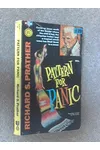







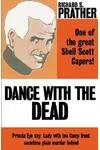

Where to Start Reading Shell Scott
For most readers, the best place to start is right at the beginning with the debut novel, The Case of the Vanishing Beauty (1950). This book introduces Shell Scott in his classic element: a 6'2" former Marine with a white buzz cut, a bullet-scarred ear, and a penchant for finding himself in absurd, fast-paced trouble. Starting here allows you to see how creator Richard S. Prather first established the character before leaning heavier into the screwball comedy elements that defined the later entries.
However, because the Shell Scott books are highly episodic and feature minimal overarching continuity, you do not have to read them in strict order. If you want to jump straight to the series at its comedic peak, Strip for Murder (1956) is widely considered a fan favorite. In it, Scott investigates a homicide at a nudist colony, leading to a legendary, clothes-free chase in a hot air balloon over Los Angeles. Another fantastic early entry is Bodies in Bedlam (1951), which pits Scott against a series of Hollywood killers and showcases the vibrant, slightly wacky Southern California setting that Prather brought to life.
Publication Order vs. Chronological Order
When it comes to Shell Scott, publication order and chronological order are essentially the same. Shell Scott exists in a sort of perpetual mid-century present; he doesn't age significantly over the course of the thirty-seven novels and numerous short stories, nor does he settle down or undergo massive life changes. The main difference you will notice as you read in publication order is the evolution of Prather's writing style. The earliest novels are a bit closer to traditional, hard-boiled detective fiction (akin to Mickey Spillane's Mike Hammer, but with a wink), whereas the books written from the mid-1950s onward fully embrace lighthearted slapstick, double entendres, and pulp escapism.
Because of this, reading in publication order is highly recommended for readers who want to experience the natural progression of the series' tone. It prevents the sudden shift in style that you might encounter if you jump erratically between books written in 1950 and those written in the late 1960s or 1970s.
The Famous Chester Drum Crossover
One of the absolute highlights of the Shell Scott series is the 1959 novel Double in Trouble. This book is a rare and celebrated crossover event in the paperback original era. Richard S. Prather teamed up with fellow mystery novelist Stephen Marlowe to bring their respective series sleuths together: Prather's sun-loving, comedic L.A. investigator Shell Scott and Marlowe's globetrotting, serious Washington, D.C. detective Chester Drum.
At the suggestion of their mutual literary agent, Scott Meredith, the authors collaborated long-distance via telephone and mail. The structure of the book is unique, with Prather writing the chapters narrated by Shell Scott and Marlowe writing the chapters narrated by Chester Drum. The two detectives begin the novel as bitter rivals, each suspecting the other of working for the mob, before realizing they are on the same side and teaming up. It is a longer, richer book than the standard pulp novels of the time and remains a fascinating piece of detective fiction history.
Navigating the Short Story Collections
In addition to the full-length novels, Richard S. Prather wrote dozens of short stories and novelettes starring Shell Scott. These were originally published in popular pulp magazines of the era, such as Manhunt, before being compiled into several key collections. If you want to read all of Shell's adventures, you should weave these collections into your reading list:
- Have Gat—Will Travel (1957): A collection of six short stories originally published in magazines between 1952 and 1956, including "The Sleeper Caper" and "Murder's Strip Tease."
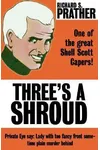
- Three's a Shroud (1957): A collection featuring three longer novelettes.
- Shell Scott's Seven Slaughters (1961): A compilation of seven short stories, including classics like "The Best Motive," "Crime of Passion," and "Babes, Bodies and Bullets."
- The Shell Scott Sampler (1969): A collection of five short stories including "The Guilty Party" and "The Da Vinci Affair."
- Hot Rock Rumble & The Double Take (1994): A rare double-novelette collection published by Gryphon Books, gathering two 1953 stories originally featured in Manhunt magazine.
The Posthumous Finale: The Death Gods
The publication history of the final Shell Scott novel is unique. Following the release of Shellshock in 1987, the series went on a decades-long hiatus. Richard S. Prather passed away in February 2007, leaving behind an unpublished, completed manuscript. In October 2011, Pendleton Artists published The Death Gods posthumously, with the cooperation of the Prather estate and editor Linda Pendleton. This final caper, which sees an older but no less charming Shell Scott investigating a deadly virus and vaccine fraud, serves as a fitting, reflective farewell to one of the pulp era's greatest heroes.
What to Know Before You Start
Before diving in, modern readers should keep a few things in mind to fully appreciate the series. First, these books are time capsules of the 1950s and 1960s. They feature the breezy slang, gender dynamics, and cultural attitudes of the mid-century pulp era. However, unlike the dark, violent, and often misanthropic noir written by his contemporaries, Prather's work is defined by its warmth and playfulness. Shell Scott genuinely likes people, loves beautiful women, keeps tropical fish, and drives a flashy canary yellow Cadillac. If you go in expecting a grim, gritty detective story, you might be surprised—but if you want a fun, action-packed, and comedic ride through mid-century Los Angeles, Shell Scott is the perfect companion.