

Where to Start with the Sherlock Holmes Adventures
For readers diving into Bonnie MacBird’s rich Victorian mysteries, there are two distinct paths to follow: publication order or chronological order. If you want to experience the series as it was released and watch the author’s styling evolve, start with the debut novel, Art in the Blood. However, if you prefer to follow the characters strictly through their internal historical timeline, you should begin with the fourth published book, The Three Locks, which serves as a prequel to the rest of the series.
Ultimately, starting with Art in the Blood is highly recommended. It immediately establishes Dr. John Watson’s narrative voice and captures a vulnerable, brilliant Sherlock Holmes recovering from a difficult period in his life. Reading in publication order also allows you to enjoy the recurring subplots, minor characters, and emotional arcs exactly as MacBird structured them for her readers.
Publication Order vs. Chronological Order
While the books can technically be read as standalone mysteries, reading them in order enhances your understanding of the deep-seated camaraderie and personal growth of Holmes and Watson. Below are the two ways to organize your reading list.
The Publication Order
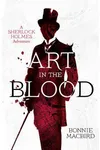
- Book 1: Art in the Blood (2015)
- Book 2: Unquiet Spirits (2017)
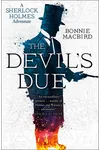
- Book 3: The Devil’s Due (2019)
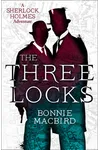
- Book 4: The Three Locks (2021)
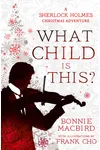
- Book 5: What Child is This? (2022)
- Book 6: The Serpent Under (2025)
The Chronological Reading Order
If you prefer to follow the cases by their Victorian calendar dates, the order shifts slightly due to a prequel release:
- The Three Locks (Set in the sweltering summer of 1887)
- Art in the Blood (Set in the chilly autumn of 1888, shortly after the Jack the Ripper terror)
- Unquiet Spirits (Set in December 1889, taking the duo to the French Riviera and Scotland)
- The Devil’s Due (Set in 1890, focusing on dark anarchist conspiracies in London)
- What Child is This? (Set in December 1890, offering a snowy holiday mystery)
- The Serpent Under (Set in 1891, involving Windsor Castle and royal secrets)
Understanding the Chronological Caveats
The primary chronological caveat revolves around The Three Locks. Published in 2021 as the fourth book, it rewinds the clock to 1887. This setting predates the events of Art in the Blood and places Holmes at a time before he was heavily scarred by the Ripper cases. Reading it first gives you a glimpse of a slightly younger, energetic Holmes dealing with three separate locked-box and magic-themed conundrums. However, reading it in its publication slot (fourth) acts as a wonderful flashback that explains the origins of some of Holmes's habits and early cases.
Additionally, What Child is This? serves as a festive Christmas read set in December 1890, whereas The Serpent Under immediately follows in 1891, leading right up to the edge of Doyle's famous "Great Hiatus" period. MacBird meticulously aligns her timeline with Conan Doyle's original canon, meaning that historical events and Watson's marital status reflect the classic stories.
The Books in Detail
1. Art in the Blood (2015)
Set in 1888, a depressed Sherlock Holmes is battling his cocaine addiction after failing to stop a series of brutal murders in London. Dr. Watson steps in to help, steering Holmes toward a case involving a missing boy and a stolen statue in Paris. The case exposes the dark side of the art world and tests the limits of Holmes’s deductive reasoning.
2. Unquiet Spirits (2017)
Taking place in December 1889, this gothic-tinged adventure starts on the sun-drenched French Riviera before dragging Holmes and Watson to a haunted whisky distillery in the snowy Scottish Highlands. The case forces Holmes to confront ghosts from his own past while investigating a mysterious death linked to a wealthy family feud.
3. The Devil’s Due (2019)
Set in the tense atmosphere of 1890, London is gripped by fear as a serial killer targets prominent philanthropists. Holmes is challenged by a brilliant, ruthless anarchist foe who seems to anticipate his every move. This book is notable for its exploration of London's class divides and the sheer psychological pressure placed on Holmes.
4. The Three Locks (2021)
Stepping back to the hot summer of 1887, this prequel-style novel challenges Holmes with three separate locked-room style puzzles. It involves a stolen relic from Cambridge, a deadly illusion designed by a magician, and a woman trapped in an impossible situation. The lighter, sun-drenched setting contrasts beautifully with the darker tones of the previous novels.
5. What Child is This? (2022)
A seasonal tale set in December 1890. In a snowy London, Holmes and Watson tackle two emotional cases: locating a missing toddler targeted by kidnappers, and helping a wealthy family find their eldest son who vanished from his London townhome. Featuring lovely illustrations by Frank Cho, this entry balances holiday warmth with classic deduction.
6. The Serpent Under (2025)
Set in 1891, this complex thriller begins when Queen Victoria summons Holmes to Windsor Castle to investigate the suspicious death of a young courtier. The victim bears a mysterious double-ouroboros tattoo. The mystery quickly links to the drowning of one of the Baker Street Irregulars and a conspiracy within a suffragette activist group, pushing the detective to his limits.
What to Know Before You Start
Bonnie MacBird brings a unique background to the Sherlock Holmes universe. As a Hollywood screenwriter (co-writer of the original 1982 film TRON) and Emmy-winning producer, she writes with a cinematic pacing that updates the classic formula without losing its Victorian charm. She lives in London, near Baker Street, and conducts extensive historical research to ensure every street name, cultural reference, and Victorian detail is accurate.
For readers who love deeper context, MacBird provides extensive, humorous historical annotations on her official website. These notes detail the real-world history behind the locations, technology, and social customs featured in each book. Furthermore, the novels tackle realistic themes of the era, including the struggles of the working class, women's suffrage, and Holmes’s struggle with substance abuse, rendering the characters more human and complex than simple caricatures.
Practical Reader Advice
Can these books be read as standalones? Yes, each novel contains a self-contained mystery that is fully resolved by the final page. However, because characters like the helper Heffie O'Malley recur, and Holmes’s personal growth is continuous, you will get the most satisfaction by reading them in order. If you want a quick taste of MacBird's writing without committing to the main continuity, the holiday-themed What Child is This? is an excellent, atmospheric entry point that showcases the warmth of Holmes and Watson's partnership.