




How to Read the Shinobi Mystery Series
If you want to experience the rich historical atmosphere, shifting political intrigue, and evolving friendship of Susan Spann's detective duo, the best path is straightforward. You should read the series in its original publication order. Because the books follow a continuous timeline in 1560s Japan, reading them sequentially ensures you appreciate the growth of the characters and the gradual unraveling of the overarching political conspiracies.
Here is the complete publication and chronological list of the Shinobi Mystery books:
- Claws of the Cat (2013) – Set in Kyoto, Hiro and Father Mateo must solve the murder of a samurai in a local teahouse within three days.
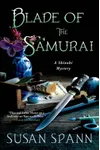
- Blade of the Samurai (2014) – The duo investigates the theft of a precious heirloom sword and the murder of the shogun's cousin.
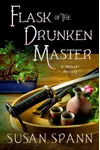
- Flask of the Drunken Master (2015) – A murder at a sake brewery draws Hiro and Father Mateo into a deadly clash of honor and family secrets.
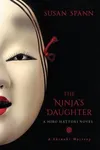
- The Ninja's Daughter (2016) – When a beautiful actor is murdered, the investigators dive into Kyoto’s vibrant, dangerous theatrical world.
- Betrayal at Iga (2017) – The story shifts to the ninja stronghold of the Iga Province, where Hiro must defend his clan from internal treachery.
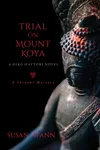
- Trial on Mount Koya (2018) – In a nod to classic locked-room mysteries, Hiro and Father Mateo are trapped in a snowbound Buddhist temple with a killer.
- Ghost of the Bamboo Road (2019) – Set in January 1566, the duo seeks shelter in a mountain village haunted by stories of a vengeful spirit.
- Fires of Edo (2022) – Arriving in the city of Edo, the investigators track down an arsonist-murderer targeting a local booksellers' guild.
Chronological Order vs. Publication Order
For the Shinobi Mystery series, publication order and chronological order are identical. Susan Spann written these stories to flow chronologically from one mystery to the next. The series begins in mid-1564 and moves forward month-by-month, season-by-season, leading up to the events of early 1566 in Fires of Edo. Reading the books out of order will spoil major character developments, such as the evolving trust between the primary duo, the safety of Father Mateo’s household, and the revealing secrets of Hiro's clan origins.
The Core Dynamics: A Ninja and a Priest
The beating heart of the series is the fascinating partnership between Hiro Hattori, a master shinobi bound by strict codes of duty, and Father Mateo Ávila de Santos, a Portuguese Jesuit priest striving to understand a culture vastly different from his own. Hiro is officially tasked with keeping the priest safe, but their shared intelligence leads them to become highly effective detective partners. Their East-meets-West dynamic highlights differences in worldview, religion, and philosophy, yet relies on a deep, unspoken mutual respect. Susan Spann uses her background in Asian Studies to avoid Hollywood stereotypes, depicting ninja techniques and Jesuit missionary history with authentic, grounded detail.
What to Know Before You Start
Before diving into feudal Japan, keep these key details in mind:
- Historical Setting: The books take place during the late Sengoku period (Warring States period). It was a time of unstable peace, shifting alliances, and constant danger. Real historical figures, such as Shogun Ashikaga Yoshiteru and the legendary Hattori Hanzō (Hiro's cousin), either appear or influence the plot.
- A Focus on Daily Life: Spann excels at making history accessible. Instead of focusing solely on massive battlefield armies, she highlights the details of daily life: the running of sake breweries, the performance of Noh theatre, the intricate hierarchy of Buddhist temples, and the social standing of women and entertainers.
- Author's Background: Susan Spann's deep love for Japanese culture is evident on every page. Her real-world hikes up 100 summits in Japan, detailed in her memoir Climb (2020), highlight her dedication to capturing the physical landscapes and geographic realities of the country.
Reader Advice and Starting Points
For the best experience, start with the first novel, Claws of the Cat. It sets up the premises of Hiro’s secret assignment, Father Mateo’s precarious legal status as a foreigner, and the political fragility of Kyoto. While each book features a standalone mystery that is resolved by the final page, the character dynamics are cumulative. If you skip around, you will miss the subtle emotional payoffs and the increasing dangers that Hiro faces as his ninja clan demands harder sacrifices. There are no spin-offs, short story collections, or novellas, meaning you can focus completely on the core eight-book series.