




Where to Begin Your Agatha Christie Journey
Agatha Christie is the bestselling novelist of all time, and for good reason. Her puzzles are immaculate, her pacing is swift, and her characters are legendary. But with dozens of books to choose from, where should you start? Because almost all of Christie's novels are standalone mysteries, you do not need to read them in a strict chronological order. However, following a few recommended paths will save you from major character spoilers and help you appreciate how her writing evolved over her 50-year career.
For the absolute beginner, we recommend starting with one of three entry points:
- The Standalone Classic: And Then There Were None (1939). Widely considered Christie's masterpiece, this tense thriller about ten strangers isolated on an island is the perfect introduction to her plotting genius.
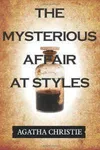
- The Meticulous Detective: Murder on the Orient Express (1934) or The Mysterious Affair at Styles (1920) if you want to follow Hercule Poirot from his very first case.
- The Village Observer: The Murder at the Vicarage (1930), which introduces the deceptively sharp Miss Jane Marple.
The Hercule Poirot Reading Order & The Curtain Caveat
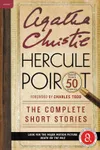
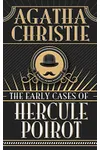
Hercule Poirot, the eccentric Belgian detective with his beloved "little grey cells," is Christie's most famous creation, starring in 33 novels and dozens of short stories. While you can read most Poirot novels in any order, there is one non-negotiable rule: you must read Curtain: Poirot’s Last Case last.
Although published in 1975 near the end of Christie's life, Curtain was actually written during the Blitz in World War II. Christie locked it in a bank vault to ensure her detective had a proper send-off if she did not survive the war. Reading it early will spoil the ultimate fate of Poirot and his longtime sidekick, Captain Hastings.
Crucial Poirot Milestones & Subseries Notes
- The Beginning: Start with The Mysterious Affair at Styles (1920) to see how Poirot and Hastings first meet in England.
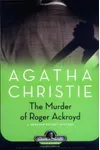
- The Breakthrough: The Murder of Roger Ackroyd (1926) is famous for its groundbreaking, controversial twist. Read it early, but go in with zero spoilers!
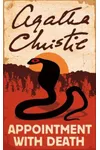
- The Exotics: Poirot travels extensively in the 1930s. This run includes Murder in Mesopotamia (1936), Death on the Nile (1937), and Appointment with Death (1938).
- The Greenshore Folly Distinction: In 1954, Christie wrote a novella titled Hercule Poirot and the Greenshore Folly. She expanded this story into the full-length novel Dead Man's Folly (1956). The original novella was eventually published on its own in 2013 and is a fascinating alternative look at the same mystery.
The Miss Marple Reading Order & Crucial Spoilers
Miss Jane Marple is an elderly spinster living in the quiet village of St. Mary Mead. Unlike Poirot, who acts as a professional investigator, Marple solves crimes by comparing human nature in murder cases to the minor gossip and behaviors of her village neighbors.
While her 12 novels are generally standalone cozy mysteries, there is one direct connection you must observe: you must read A Caribbean Mystery (1964) before Nemesis (1971).
In A Caribbean Mystery, Miss Marple meets the wealthy, cantankerous Jason Rafiel. Nemesis is a direct sequel where Rafiel sends Miss Marple on a posthumous investigation. Reading Nemesis first completely spoils the resolution and characters of the Caribbean trip.
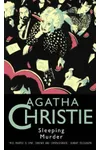
Additionally, like Poirot's final novel, Sleeping Murder (published posthumously in 1976) was written during World War II and intended as Miss Marple's final case. It is best saved for the end of your Marple reading list.
The Tommy and Tuppence Chronology (The Aging Sleuths)
Tommy and Tuppence Beresford are unique in Christie's bibliography. They are the only recurring characters who age in real-time alongside the decades in which the books were written. They start as bright-eyed, young adventurers in the aftermath of WWI and end as elderly retirees dealing with past family secrets.
Because their lives, marriage, and family grow across the series, you must read Tommy and Tuppence in strict publication order:
- The Secret Adversary (1922) – The duo meets as young adults looking for work in a post-war spy caper.
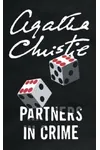
- Partners in Crime (1929) – Now married, they take over a detective agency in this fun collection of short stories that parodies other famous fictional sleuths.
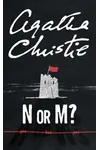
- N or M? (1941) – Mid-aged parents Tommy and Tuppence hunt for Nazi spies during WWII.
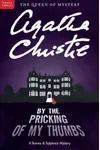
- By the Pricking of My Thumbs (1968) – Now in their sixties, they investigate a mysterious nursing home.
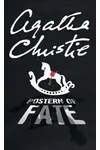
- Postern of Fate (1973) – Their final adventure as retirees in their seventies, which was also the last novel Christie ever wrote.
The Crossover Investigators: Battle, Race, and Ariadne Oliver
Christie created several other recurring investigators who frequently crossed paths with each other and Poirot. Knowing their reading orders can enrich your appreciation of Christie’s shared literary universe.
Superintendent Battle
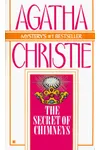
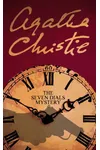
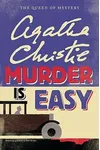
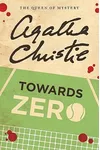
Representing the straightforward, sensible methods of Scotland Yard, Battle appears in five novels: The Secret of Chimneys (1925), The Seven Dials Mystery (1929), Cards on the Table (1936), Murder is Easy (1939), and Towards Zero (1944).
Colonel Race
A charming intelligence agent with connections to the secret service, Race appears in The Man in the Brown Suit (1924), Cards on the Table (1936), Death on the Nile (1937), and Sparkling Cyanide (1945).
Ariadne Oliver
A lighthearted caricature of Christie herself, Ariadne Oliver is a feminist, apple-loving mystery novelist who despises her own famous fictional detective (a Finnish sleuth). She first appeared in short stories within Parker Pyne Investigates (1934) before partnering with Poirot in six novels, including Cards on the Table (1936), Mrs. McGinty's Dead (1952), Dead Man's Folly (1956), Third Girl (1966), Hallowe'en Party (1969), and Elephants Can Remember (1972). She also makes a standalone appearance in the supernatural-themed thriller The Pale Horse (1961).
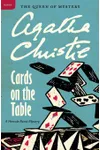
The Great Crossover: If you want to see all of these characters interact, read Cards on the Table (1936). In this brilliant novel, a wealthy collector hosts a dinner party for four sleuths (Poirot, Battle, Race, and Ariadne Oliver) and four people he suspects of having committed unsolved murders.
The Quirky Sleuths: Harley Quin and Parker Pyne
For readers who want to step outside traditional detective work, Christie created two unique short story protagonists:
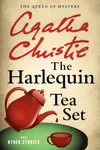
- Mr. Harley Quin: Appearing in The Mysterious Mr. Quin (1930) and various short stories, Quin is a mysterious, almost supernatural figure associated with the traditional Harlequin character. He appears suddenly to help his friend, the elderly Mr. Satterthwaite, solve crimes by looking at them from a new angle.
- Parker Pyne: A retired government statistician who advertises in the newspaper: "Are you happy? If not, consult Mr. Parker Pyne." He uses his knowledge of human statistics to orchestrate elaborate scenarios that solve domestic problems and light mysteries in Parker Pyne Investigates (1934).
The Pseudonym: Mary Westmacott
If you have exhausted Christie's mysteries and want to see a different side of her talent, look for the six novels she wrote under the pen name Mary Westmacott between 1930 and 1956. These are not detective novels; rather, they are deep psychological studies of family dynamics, love, and emotional obsession. The most famous of these, Absent in the Spring (1944), is a brilliant, claustrophobic look at a woman forced into self-reflection while stranded at a remote railway station in the desert.