
Recommended Reading Order for Annie’s People
The Annie’s People series is a tightly woven trilogy following a continuous storyline. To fully appreciate Annie Zook’s journey and the evolving community secrets in Paradise, Pennsylvania, you must read the books in order. The recommended reading order aligns with the publication sequence:
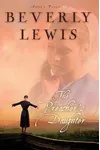
- The Preacher’s Daughter (October 2005) – Introduces twenty-year-old Annie Zook, a preacher’s daughter who secretly paints despite the Old Order Amish prohibition against representational art.
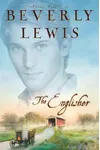
- The Englisher (May 2006) – Tensions rise as Annie's non-Amish ("Englisher") pen pal, Louisa Stratford, arrives in Paradise, and Annie’s connection to outsider Ben Martin deepens.
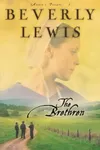
- The Brethren (October 2006) – The dramatic conclusion where Annie, now living with her shunned friend Esther, must reconcile her passion for art with her devotion to her heritage, while shocking family secrets are revealed.
Where to Start and Reading Caveats
Because the plot of Annie’s People relies heavily on consecutive character growth and recurring subplots—specifically the mystery surrounding the Hochstetler family and Annie's romance—starting with any book other than The Preacher’s Daughter will spoil major plot points. Fortunately, the chronological order matches the publication order, making the path straightforward for readers.
How It Fits into the Broader Lancaster County Universe
While Annie's People functions perfectly as a standalone trilogy, it is set in Lancaster County, Pennsylvania, which serves as the setting for several of Beverly Lewis's other popular series. While there are no direct character crossovers that affect the plot, readers looking for a broader experience can check out these companion series:
- The Heritage of Lancaster County: Beginning with The Shunning, this classic trilogy is set in the nearby town of Hickory Hollow. Reading it first provides a strong foundation for the Old Order Amish traditions and terms used in Annie's People.
- Home to Hickory Hollow: A five-book series returning to the Hickory Hollow setting, focusing on themes of community, faith, and the intersection of Plain and English lives.