



How to Read the Barsetshire Series
Angela Thirkell's Barsetshire series is a beloved sequence of 29 novels set in the fictional English county originally created by Anthony Trollope. Because the series spans three decades, the lives of its large cast of characters unfold in real time, mirroring the historical changes in mid-century Britain. While each book features a self-contained romantic plot or local comedy of manners, reading them in order allows you to fully appreciate the recurring characters, family trees, and community evolution.
The Recommended Starting Point
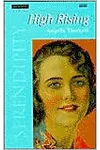
The absolute best place to begin is with the first novel, High Rising (1933). This book introduces the delightful, hardworking novelist Laura Morland and her mischievous son Tony, setting the witty, lighthearted tone for the rest of the series. For those who prefer a winter-themed companion, the posthumous collection Christmas at High Rising (published in 2013, but collecting stories written between 1928 and 1942) can be read alongside the early books to spend more time with these foundational characters.
Publication and Chronological Order
Unlike some sprawling series, the publication order of the Barsetshire novels matches their chronological timeline. The progression of the books is divided into three distinct eras:
- The Pre-War Era (1933–1939): Starting with High Rising and running through The Brandons, these early novels focus on lighthearted village gossip, country estates, and light comedies of manners.
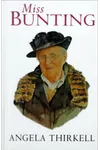
- The World War II Years (1940–1945): Beginning with Cheerfulness Breaks In and ending with Miss Bunting, the series takes on a slightly more serious (though still humorous) tone as the county copes with evacuees, rationing, and the realities of the Home Front.
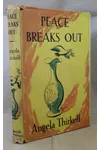
- The Post-War Era (1946–1961): Starting with Peace Breaks Out and concluding with Three Score and Ten, these books explore the social and economic changes in post-war Britain, often with a nostalgic lament for the vanishing traditional way of life.
Co-Authorship and Series Completion
The final novel in the sequence, Three Score and Ten (1961), was left unfinished upon Angela Thirkell's death. It was completed by her close friend, the prominent film critic C. A. Lejeune, who worked from Thirkell's notes to give the series and its long-running characters a proper send-off.