
The Recommended Reading Order
The Belgian Congo Mysteries are best enjoyed in publication order. The narrative follows a direct chronological progression from Amanda Brown's naive arrival in the late 1950s up to the turbulent brink of Congolese independence in 1960. Reading them in sequence allows you to experience the characters' growth and the shifting political atmosphere of the era.
Amanda Brown Books in Order
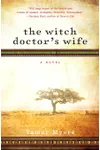
- The Witch Doctor's Wife (2009) – Amanda Brown arrives at the Belle Vue mission station, only to become embroiled in a mystery surrounding the local diamond trade and a sudden death.
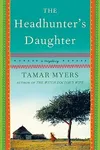
- The Headhunter's Daughter (2011) – When a white girl raised by the Bashilele tribe is "rescued," Amanda investigates the dark history of the girl's biological parents.
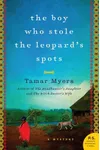
- The Boy Who Stole the Leopard's Spots (2012) – (Also published under the alternate title The Cannibal's Children) – Amanda faces a complex web of tribal superstitions, local rivalries, and colonial tensions involving a set of twins.
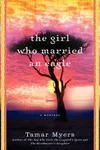
- The Girl Who Married an Eagle (2013) – The final book of the series centers on themes of revenge, family secrets, and redemption as the colony stands on the cusp of independence.
Title Confusion: The Case of Book 3
If you are looking for the third installment, you may encounter listings for two different titles: The Boy Who Stole the Leopard's Spots and The Cannibal's Children. These are the exact same novel. While the book was officially published and distributed as The Boy Who Stole the Leopard's Spots, database listings and early promotional material frequently refer to it by its alternate title, The Cannibal's Children. You only need to purchase one of these to complete your set.
Context and Inspiration
Author Tamar Myers draws heavily from her own life for this series. Born and raised in the Congo as the daughter of Christian missionaries, her firsthand memories of the landscape, people, and colonial dynamics of the 1950s provide a vivid, authentic background. The series strikes a balance between lighthearted cozy mystery humor and a realistic look at the historical realities of Belgian colonialism.