
The Recommended Reading Order
To fully appreciate Brad McLanahan’s development from a rookie officer to a seasoned commander, you should read the books in order of publication. The chronological timeline of the story matches the real-world release order, tracking escalating geopolitical threats and advancing military technology.
- Tiger’s Claw (2012) – The transition book where Brad joins his legendary father, Patrick McLanahan, to confront a rising military threat from China in the Pacific.
- Starfire (2014) – Brad takes center stage as he leads the development of a revolutionary orbital solar power station that becomes a prime target for international adversaries.
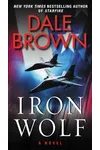
- Iron Wolf (2015) – Brad coordinates a specialized team of pilots and tactical units to help defend Ukraine against a hostile Russian incursions.
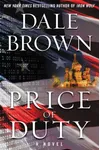
- Price of Duty (2017) – Brad and his tactical unit, Scion, deploy to thwart a massive cyberwarfare campaign launched by Russian forces.
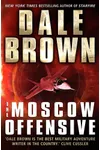
- The Moscow Offensive (2018) – The geopolitical stakes rise as Brad leads a preemptive strike against Russian military dominance.
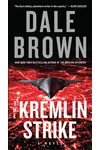
- The Kremlin Strike (2019) – Brad targets space-based weapons systems and military command structures in another high-octane confrontation with Russia.
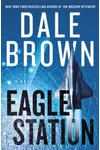
- Eagle Station (2020) – The battleground moves to outer space as Brad leads efforts to secure the moon from a Sino-Russian lunar alliance.
- Havoc (Expected October 2026) – Brad returns to test a cutting-edge, ultra-long-range hypersonic bomber amid nuclear tensions in East Asia.
Where to Start Reading
The best place to start is with Tiger’s Claw. While it is technically the 18th novel in Dale Brown's broader Patrick McLanahan saga, it functions as the perfect onboarding point for the next-generation series. If you only want to follow Brad's specific story, you can skip the preceding 17 Patrick-centric novels, though reading them provides richer backstories for the technology and returning characters.
Connections to the Broader Dale Brown Universe
Brad's adventures exist within a shared literary universe alongside other Dale Brown series:
- The Patrick McLanahan Series: The original 17-book saga starting with Flight of the Old Dog (1987) focuses on Brad’s father, Patrick, laying the foundation for the technology and military organizations Brad later inherits.
- The Nick Flynn Series: A separate series starting with Arctic Storm Rising (2021) that focuses on Air Force intelligence officer Nick Flynn. While it shares the same geopolitical environment, Flynn’s stories are distinct and do not feature Brad as a primary character.