







How to Read the Brotherhood of War Series
W.E.B. Griffin’s legendary military series is best read in its original publication order. Because the books follow a core group of characters—Craig Lowell, Sandy Felter, Bob Bellmon, and Phil Parker—as they rise through the ranks, reading the novels in the order they were written ensures you experience their personal growth and the Army's strategic evolution chronologically.
Publication and Chronological Reading Order
Use this straightforward list to follow the saga from its World War II beginnings through the early days of the Cold War and Vietnam:
- The Lieutenants (1982) – Sets the stage in the final years of WWII, introducing the core cast from North Africa to occupied Germany.
- The Captains (1982) – Moves into the crucible of the Korean War, testing the officers under intense combat pressure.
- The Majors (1983) – Focuses on the post-Korea rebuilding years and early counterintelligence efforts.
- The Colonels (1983) – Explores the buildup to Vietnam and the challenges of military leadership in a changing geopolitical landscape.
- The Berets (1985) – Details the birth of the U.S. Army Special Forces (Green Berets) and covert operations.
- The Generals (1986) – Explores the Vietnam War era and the high-level strategic shifts in air assault tactics.
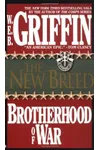
- The New Breed (1987) – Follows the next generation of soldiers and officers during the mid-1960s.
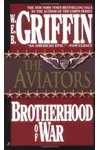
- The Aviators (1988) – Concentrates on the development of Army Aviation and helicopter warfare in Vietnam.
- Special Ops (2001) – The final novel, written after a 13-year hiatus, sending the characters on a covert 1960s mission against Che Guevara in the Congo.
Chronological Caveats and Reading Tips
While the publication order mirrors the chronological flow of the characters' lives, there are a few nuances to keep in mind:
- The Vietnam Duology: Both The New Breed and The Aviators overlap significantly in timeframe, focusing on different aspects of the Vietnam War. Reading them in publication order is still recommended as the narrative threads complement each other perfectly.
- The Publication Gap: Griffin took a 13-year break between The Aviators (1988) and Special Ops (2001). As a result, the prose style in the final book shifts slightly, but it serves as a crucial wrap-up to the characters' decades-long journeys.
Connections to Other W.E.B. Griffin Series
If you finish the Brotherhood of War and crave more of Griffin's signature style, you can explore his other series. While there are no direct character crossovers, they share the same detailed universe:
- The Corps: The closest companion series, focusing on the U.S. Marine Corps during WWII and Korea.
- Men at War: Explores the clandestine world of the Office of Strategic Services (OSS) during WWII.
- Clandestine Operations: Focuses on the early days of the CIA during the Cold War.