
How to Read the Cicero Series
To follow the meteoric rise and dramatic fall of Rome's greatest orator, you should read Robert Harris's Cicero trilogy in its original publication order. Because the narrative follows Cicero's life chronologically, the publication order is also the chronological order.
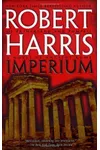
- Imperium (2006)
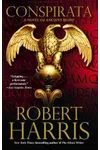
- Lustrum / Conspirata (2009)
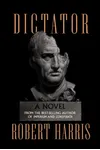
- Dictator (2015)
Publication Order of Cicero Books
Here is the release sequence of the novels and the official stage adaptation script:
- Imperium (2006) – Follows a young Cicero as a provincial lawyer taking on a corrupt governor and climbing the Roman political ladder.
- Lustrum / Conspirata (2009) – Explores Cicero's consulship in 63 BC as he fights conspiracies while rivals like Julius Caesar begin their ascent.
- Dictator (2015) – Chronicles Cicero's years in exile, his attempt to make a political comeback, and his final days as the Republic collapses.
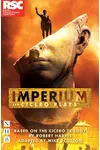
- Imperium: The Cicero Plays (2017) – A two-part stage adaptation script written by Mike Poulton for the Royal Shakespeare Company.
Key Reading Caveats and Title Differences
Lustrum vs. Conspirata
The second book in the trilogy has two different titles depending on where you buy it. In the United Kingdom and Commonwealth countries, the book was published under the title Lustrum. In the United States and several other international markets, it was released as Conspirata. Both titles contain the exact same novel, so you only need to read one of them.
The Stage Adaptation
In 2017, the Royal Shakespeare Company staged a major six-play adaptation of the trilogy under the title Imperium: The Cicero Plays. Adapted for the stage by Mike Poulton, the script was published in book form by Nick Hern Books. The plays are divided into two parts: Part I: Conspirator (adapting Imperium and Lustrum) and Part II: Dictator (adapting Dictator). Reading the script is a great companion experience, but it is best enjoyed after reading the primary novels.
Related Novels by Robert Harris
Readers often ask if Robert Harris's 2003 novel Pompeii is connected to the Cicero trilogy. While both are historical thrillers set in ancient Rome, Pompeii takes place in 79 AD—over a century after the events of Cicero’s life (106–43 BC). The books share no characters or direct plot threads, but Pompeii delivers the same meticulously researched historical atmosphere and is highly recommended for fans of the trilogy.