
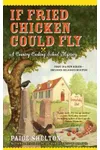
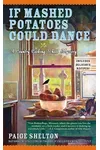
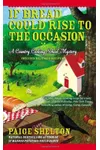
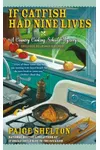
The Recommended Reading Order
The best way to enjoy the Country Cooking School Mysteries is in publication order. Because the relationships between Isabelle "Betts" Winston, her grandmother Gram, the town's residents, and the ghosts who haunt Broken Rope develop over time, reading the books chronologically ensures you catch every character arc and running joke.
Here is the recommended reading path for the series:
- If Fried Chicken Could Fly (2012)
- If Mashed Potatoes Could Dance (2012)
- If Bread Could Rise to the Occasion (2013)
- If Catfish Had Nine Lives (2014)
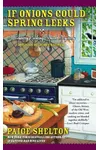
- If Onions Could Spring Leeks (2015)
Why Read in Order?
While the murder mystery in each book is self-contained and resolved by the final page, the overarching story of the town of Broken Rope and its spiritual residents builds from book to book. Betts's growing comfort with her supernatural gifts, her evolving partnership with her feisty grandmother Gram, and her interactions with the friendly ghost Jerome are best experienced from the beginning. Starting with the first book ensures you won't miss the setup for how Betts ended up at the cooking school or how she met her ghostly allies.
Setting and Main Characters
The series is set in the fictional, Old West-themed tourist town of Broken Rope, Missouri. The protagonist, Isabelle "Betts" Winston, is a former law student who moves to the town to help her grandmother, Anna "Gram" Winston, run a country cooking school. What sets this cozy mystery series apart is the paranormal twist: both Betts and Gram can see and speak to ghosts from the town's colorful history. These friendly specters—such as Jerome, a handsome cowboy from the 1800s—help Betts gather clues to solve contemporary crimes.
Crossovers and Spin-Offs
There are no official crossovers or spin-offs connecting the Country Cooking School Mysteries to Paige Shelton's other works. However, fans of this series will find a similar cozy vibe, engaging amateur sleuths, and culinary themes in her Farmers' Market Mysteries, which follows Becca Robins in rural South Carolina.