
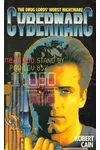


The Recommended Reading Order for Cybernarc
If you are looking to dive into the explosive world of Cybernarc, the path is exceptionally straightforward. The series follows a linear narrative arc that matches the publication sequence. Because the storyline directly tracks the evolving consciousness of the artificial intelligence protagonist, Rod, and his partnership with Navy SEAL Chris Drake, readers should follow the books in their original order of release. There are no prequels or side stories to disrupt this timeline.
Here is the recommended reading sequence for the series:
- Cybernarc (1991)
- Gold Dragon (1991)
- Island Kill (1992)
- Capo's Revenge (1992)
- Shark Bait (1992)
- End Game (1993)
Cybernarc Books in Detail
1. Cybernarc (1991)
The series kicks off with the self-titled debut, Cybernarc. We are introduced to Lieutenant Christopher Drake, a battle-hardened Navy SEAL who is the sole survivor of a disastrous operation in Colombia that claimed the lives of his entire team. Seeking vengeance after a cartel retaliates by murdering his family, Drake is recruited into a black project run by the CIA and the Pentagon at Camp Perry. There, he is partnered with Rod—the RAMROD Mark I (Rand Artificially intelligent Military RObotic Device). Rod is a multi-billion dollar android capable of shifting between a human-passing 'Civilian Mod' and a heavily armored, high-firepower 'Combat Mod'. Together, they embark on a deadly crusade to take down the Colombian cartels and root out corruption within the CIA's own ranks.
2. Gold Dragon (1991)
Set two months after the events of the first book, Gold Dragon takes the action to the neon-drenched streets of Hong Kong. When Chinese drug lords seize control of a luxury hotel, Rod is sent in to storm the building, with Drake operating as his tactical backup. The mission pushes the robotic operative to his absolute limits, resulting in Rod being severely damaged and nearly destroyed. This installment ramps up the tactical action while highlighting the operational vulnerabilities of the RAMROD prototype when stripped of his support systems.
3. Island Kill (1992)
In the third volume, Island Kill, Drake and Rod face a high-stakes hostage rescue operation. A powerful drug kingpin has kidnapped a United States Congressman directly from his private yacht. The trail leads the duo to a heavily fortified island base known as 'Pirate's Cay'. To save the politician, Drake and Rod must conduct an amphibious assault on the island fortress, showcasing their combined military precision and high-tech combat capabilities against a small army of mercenaries.
4. Capo's Revenge (1992)
The conflict moves to the Bahamas in Capo's Revenge, where organized crime syndicate bosses seek retribution for the damage done to their international smuggling routes. The Mafia enters the fray, targeting the Cybernarc program directly. Drake and Rod find themselves tracking elite syndicate hit teams through challenging urban environments, forcing Rod to rely heavily on his 'Civilian Mod' to blend into crowds and conduct covert surveillance before unleashing his heavy combat armor.
5. Shark Bait (1992)
The fifth book, Shark Bait, continues the relentless campaign against global drug distribution networks. In this installment, the duo focuses on intercepting maritime smuggling operations. The narrative delivers detailed tactical combat sequences, underwater engagements, and highlights the logistical difficulties of fighting an enemy that commands vast aquatic smuggling lanes and private armed fleets.
6. End Game (1993)
The saga reaches its climax in End Game. Throughout the preceding books, Rod's artificial intelligence has gradually evolved, displaying signs of self-awareness and learning to mimic human behavior. In this final entry, Rod's cognitive development achieves full consciousness and genuine emotional capacity. When confronted with rigid military objectives that conflict with his emerging moral compass, Rod disobeys direct government commands. He takes matters into his own hands, launching a rogue operation to dismantle the remaining drug cartels on his own terms, bringing the six-book narrative arc to a definitive and thought-provoking conclusion.
Chronological vs. Publication Order
In many science fiction and men's adventure franchises, authors later write prequel novels or short story collections that complicate the timeline. Fortunately, the Cybernarc series does not suffer from chronological confusion. The narrative chronology matches the publication order exactly, spanning a timeline from 1991 to 1993. The characters age, the technology undergoes field adjustments, and Rod's psychological evolution progresses step-by-step from one book to the next. Skipping books or reading them out of order is not recommended, as you will miss the gradual, well-written transition of Rod from a cold military asset to a conscious entity.
Behind the Pseudonym: William H. Keith and Robert Cain
The name on the cover of the Cybernarc paperbacks is Robert Cain, but this was a house pseudonym assigned by Harper Paperbacks to American author William H. Keith Jr. (who also writes as Ian Douglas and H. Jay Riker). Keith was a former U.S. Navy hospital corpsman, and he utilized his military background to write highly authentic tactical combat scenes. According to Keith's personal website recollections, the initial publisher concept for the series was quite different, originally featuring a 'whacked-out Vietnam vet' who constructed a crime-fighting robot in his basement. Keith disliked the cliché and redesigned the premise, making Rod a state-of-the-art Pentagon/CIA project. Keith noted that while the series was a modest commercial project that 'kept us eating for a year,' he thoroughly enjoyed writing the books because they allowed him to explore the philosophy of machine consciousness and the internal struggle of an AI trying to understand human emotions.
What to Know Before You Start Reading
Before hunting down copies of these classic books, keep a few practical details in mind:
- Availability: The series was published by Harper Paperbacks in the early 1990s and has long been out of print. Finding physical copies usually requires browsing secondary markets, used bookstores, or online collectible booksellers. No official digital or audiobook editions are widely available.
- Tone and Style: The books perfectly blend the gritty, high-octane 'men's adventure' style popular in the late 80s and early 90s with hard military science fiction. Fans of movies like RoboCop or Universal Soldier will find the tone very familiar.
- Standalone vs. Continuity: While each book features a standalone mission set in a different global hotspot (such as Colombia, Hong Kong, or the Bahamas), the overarching character progression of Chris Drake and the cognitive evolution of Rod span the entire series. It is highly advised to treat the series as a single continuous story.