
The Recommended Reading Order for Debbie Macomber's Dakota Series
Debbie Macomber's beloved Dakota series is set in the fictional, quiet town of Buffalo Valley, North Dakota. The series tells a continuous, evolving story of a community rebuilding itself, making it highly recommended that you read the books in order. While each novel centers on a different couple finding love, the overarching plot features the growth, struggle, and rebirth of the town itself, with characters from previous volumes returning as key secondary figures.
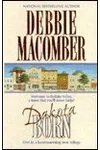
1. Dakota Born (1999)
The story begins with Dakota Born. The plot follows Lindsay Snyder, a Seattle-based schoolteacher who decides to move to Buffalo Valley to live in her late grandfather's house. She finds a fading town on the brink of collapse but decides to stay, taking a teaching job and sparking a local renaissance. Along the way, she falls for Gage Sinclair, a practical local farmer. This book sets the stage for the rest of the series, introducing the central theme of community revival and the harsh but beautiful North Dakota landscape.
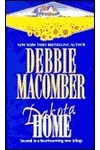
2. Dakota Home (2000)
Following the events of the first book, Dakota Home focuses on Lindsay's friend Maddy Washburn, who decides to leave her old life behind and move to Buffalo Valley. Maddy takes over the town's failing grocery store, turning it into a thriving hub of community activity. The romance centers on her relationship with Jeb McKenna, a reclusive and guarded rancher who has isolated himself from the town until a massive blizzard forces them together.
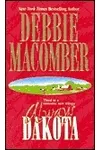
3. Always Dakota (2000)
The third installment, Always Dakota, shifts the spotlight to Margaret Clemens, a tough and independent rancher's daughter who has inherited her family's land. Margaret struggles to keep the ranch running while dealing with the arrival of Matt Eilers, a rugged, charming cowboy with a complicated past. Their relationship explores themes of trust, grief, and finding security in a close-knit community.
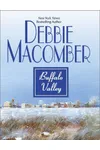
4. Buffalo Valley (2001)
The original four-book arc concludes with Buffalo Valley. The story introduces Vaughn Kyle, a young man who arrives in town with a deep moral dilemma. He has been named after a local woman's deceased son, Hassie Knight, which creates immediate speculation and connection. Vaughn must decide whether to side with corporate interests that threaten the town's character or help protect Buffalo Valley's newly restored community. In the process, he discovers what truly matters and finds his own path forward.
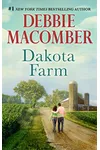
5. Dakota Farm / The Farmer Takes a Wife (2013 / 2016)
Originally published in 2013 under the title The Farmer Takes a Wife and later re-released as Dakota Farm in 2016, this story functions as a standalone companion novella. It centers on Dave Stafford, a lonely farmer in Buffalo Valley who places a personal ad seeking a wife. Emma Fowler, a stressed single mother from Seattle, answers the ad in hopes of starting a fresh life. Because this novella is set in the same town but features a largely self-contained romance, readers can enjoy it either as a prequel to experience the town's atmosphere or as a sweet return to Buffalo Valley after finishing the main series.
Understanding the Publication vs. Chronological Order
For the core series, publication order and chronological order are identical. The lives of the characters in Buffalo Valley progress naturally from book to book, and major town developments (such as the reopening of the grocery store or the school) carry over. Therefore, you should definitely read the first four books in their official sequence:
- Step 1: Dakota Born (1999)
- Step 2: Dakota Home (2000)
- Step 3: Always Dakota (2000)
- Step 4: Buffalo Valley (2001)
The only divergence is Dakota Farm (originally The Farmer Takes a Wife). Since it was written and published over a decade after the original series wrapped up, its events occur alongside the general timeline of Buffalo Valley's revitalization but do not directly impact the main narrative thread of the original four novels. You can comfortably read it first as a preview of the setting or last as a heartwarming epilogue.
What to Know Before You Start
Debbie Macomber's writing is famous for its warmth, optimism, and emotional depth. If you are preparing to dive into the Dakota series, here are a few practical tips:
- The Setting is a Character: The North Dakota prairie is not just a backdrop. The extreme seasonal weather, the vast landscapes, and the physical isolation of the town play active roles in shaping the characters' choices and relationships.
- Omnipresent Community: Unlike typical standalone romances where the rest of the world fades away, the residents of Buffalo Valley are heavily involved in each other's lives. Expect to see character growth and updates on couples from previous books.
- Omnibus Editions: If you prefer physical books, look out for Harlequin's bundled releases. Dakota Skies combines the first two books (Dakota Born and Dakota Home), while Dakota Nights compiles the final two core novels (Always Dakota and Buffalo Valley).