
Recommended Reading Path: Chronological Order
While the publication dates for Mary Balogh's Dark Angel series (often called the Stapleton-Downes series) can make the timeline look complex, the chronological reading order offers the most rewarding experience for readers. Reading the books in this sequence allows you to follow the natural progression of relationships, social scandals, and family connections in Regency London without spoiling future developments.
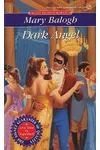
- Dark Angel (1994) - The chronological starting point of the core saga. It follows Jennifer Winwood, who travels to London expecting to marry her betrothed, Lord Lionel Kersey. Instead, she becomes the target of a revenge scheme by Gabriel Fisher, the Earl of Thornhill, who seeks payback for Kersey's past misdeeds. The enemies-to-lovers story sets up major characters and conflicts for the rest of the series.
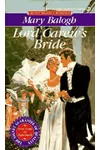
- Lord Carew's Bride (1995) - Set shortly after the events of Dark Angel. It follows Samantha Newman, Jennifer’s cousin, who was left heartbroken and publicly jilted by Lord Kersey. She retreats to the countryside, where she meets Hartley Wade, the Marquess of Carew, who is hiding his noble identity behind a quiet, disabled exterior to find someone who loves him for himself.
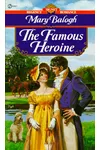
- The Famous Heroine (1996) - This novel introduces Cora Downes, the lively daughter of a wealthy merchant who saves a nobleman's grandson from drowning and is thrust into high society. It also features Lord Francis Kneller, who is heartbroken after losing Samantha Newman to the Marquess of Carew in the previous book. A compromised situation forces Cora and Francis into a marriage of convenience.
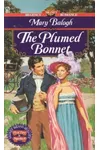
- The Plumed Bonnet (1996) - This book tells the story of Alistair Munro, the Duke of Bridgwater, and Stephanie Gray, a former governess who has inherited a fortune. The Duke is the uncle of the boy Cora saved in The Famous Heroine, linking these two books closely. A case of mistaken identity on a carriage ride leads to scandal and an unexpected marriage.
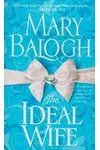
- The Ideal Wife (1991) - Written and published earlier but set later chronologically, this novel centers on Miles Ripley, the Earl of Severn, and Abigail Gardiner. Miles needs a wife of convenience to satisfy family expectations, and Abigail is a quiet, sensible woman who fits the bill. This book introduces Miles's close friend, Sir Gerald Stapleton.
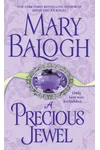
- A Precious Jewel (1993) - Sir Gerald Stapleton, introduced in The Ideal Wife, is the hero of this emotionally intense story. He falls in love with Priscilla Wentworth, a former governess who had been forced into the life of a courtesan. This book introduces Gerald's cold stepmother, Helena, Lady Stapleton, who acts as the family's antagonist.
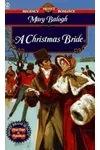
- A Christmas Bride (1997) - The grand finale of the series. It brings together the two distinct branches of the saga by pairing Edgar Downes (the wealthy merchant's son and brother of Cora from The Famous Heroine) with Helena, Lady Stapleton (the remorseful widow from A Precious Jewel). It acts as both a redemption arc for Helena and a festive crossover for the entire cast.
The Original Release: Publication Order
If you prefer to read the books as they were originally written and released, you will experience a slightly different flow. Mary Balogh wrote the Stapleton-Downes books (The Ideal Wife and A Precious Jewel) first, and later expanded the world with the Dark Angel quartet before tying them all together with the holiday-themed crossover final book.
- The Ideal Wife (1991)
- A Precious Jewel (1993)
- Dark Angel (1994)
- Lord Carew's Bride (1995)
- The Famous Heroine (1996)
- The Plumed Bonnet (1996)
- A Christmas Bride (1997)
Reading in publication order shows Balogh's evolution as a writer, but it can make the narrative feel like it jumps backward and forward in time. For example, reading the first two books introduces Sir Gerald Stapleton and his stepmother Helena long before you meet the Downes family, whose members eventually marry into their social circles.
Understanding the Connections and Subseries
The naming of this series can be confusing for new readers. Because of different publisher groupings over the last three decades, it is known by several names:
- The Stapleton-Downes Series: This is the most comprehensive name, referencing the two prominent middle-class and noble families that anchor the narrative.
- The Dark Angel Series: Named after the breakout third-published book, which served as the start of the core four-book arc.
- The Precious Jewel / Brides & Wives Series: Some publishers package the first two books (The Ideal Wife and A Precious Jewel) and the last book (A Christmas Bride) as a separate trilogy because of the direct family connection involving Sir Gerald Stapleton and Helena.
Despite these different names, all seven books share a single universe. Characters like Miles Ripley, Gabriel Fisher, and the Downes siblings are friends or relatives who attend the same London balls, gossiping about the same scandals and supporting each other through social trials.
Reader's Roadmap: Practical Guidance
Can the books be read as standalones?
Yes, absolutely. Like most traditional Regency romances, each book features a self-contained love story with a clear, emotionally satisfying Happy Ever After (HEA). You can pick up any single book, such as the highly praised Lord Carew's Bride, and enjoy it on its own. However, reading them in order dramatically increases the fun of seeing secondary characters marry, grow older, and appear in cameo roles.
Where is the best place to start?
For the best experience, start with Dark Angel (1994). It establishes the main social circle, the stakes of the London season, and introduces the key families. Starting here makes the character developments in Lord Carew's Bride and The Famous Heroine much more impactful. If you want to follow the absolute publication order, begin with The Ideal Wife (1991), which is a shorter, more traditional Regency category romance.
What to Know Before You Start
Mary Balogh is celebrated for her realistic, emotionally intense approach to historical romance, and this series showcases her at her best. Unlike many romance authors of the 1990s, Balogh did not shy away from writing complex, socially marginalized heroines. Her protagonists include governesses, women ruined by scandal, and former courtesans, challenging the rigid moral structures of the Regency era. Before starting, prepare for stories that prioritize quiet emotional healing, deep psychological insight, and character growth over external melodrama.