
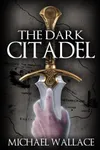
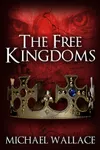

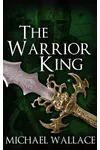

The Dark Citadel Universe Reading Order
Whether you want to witness the ancient origins of the world's magic or jump straight into the central conflict, there are two primary ways to explore Michael Wallace's fantasy universe. The saga spans two distinct series: the original Dark Citadel series and the prequel Red Sword trilogy. Below, we break down the two recommended pathways to help you choose the best reading experience.
Option 1: Publication Order (Recommended for Newcomers)
Starting with the original series is the most common and recommended path. By reading in publication order, you experience the mysteries of the magic system and the world-building exactly as the author intended. The prequel trilogy can then be read as a flashback, enriching the history and characters you have already grown to love.
- The Dark Citadel (2011/2013)
- The Free Kingdoms (2011/2013)
- The Golden Griffin (2013)
- The Warrior King (2014)
- War of Wizards (2015)
- The Red Sword (2017) – Prequel
- The Black Shield (2017) – Prequel
- The Emerald Crown (2017) – Prequel
Option 2: Chronological Order
If you prefer a linear timeline and want to understand the historical backdrop of the magic orders, the rise of the necromancers, and the backstory of key figures before the siege of Balsalom, you can begin with the prequel trilogy. This order provides a deeper foundation of the lore before starting the main storyline.
- The Red Sword (2017)
- The Black Shield (2017)
- The Emerald Crown (2017)
- The Dark Citadel (2011/2013)
- The Free Kingdoms (2011/2013)
- The Golden Griffin (2013)
- The Warrior King (2014)
- War of Wizards (2015)
The Core Series: Dark Citadel Breakdown
The original five-book series focuses on a grand struggle to defend the city of Balsalom and the Free Kingdoms against the tyrannical dark wizard Cragyn. Here is what to expect from each installment:
- The Dark Citadel: Introduces Darik, a young boy sold into slavery who becomes a pivotal player in the defense of the grand city of Balsalom. Alongside him are the spies Whelan and the eccentric wizard Markal, as well as Queen Kallia, who fights desperately to protect her sovereignty.
- The Free Kingdoms: The war escalates beyond Balsalom's walls. Darik, now free, works to unite the fractured Free Kingdoms and coordinate a defense against Cragyn's invading armies.
- The Golden Griffin: The narrative shifts its spotlight onto Daria, a skilled griffin rider. She embarks on a dangerous quest to find the legendary golden griffin, a mythical beast capable of turning the tide against Cragyn's devastating dragons.
- The Warrior King: Focuses on Darik's evolution from a helpless slave boy to a formidable warrior and leader, rallying forces for the ultimate confrontation.
- War of Wizards: The action-packed conclusion to the main series, featuring a final, high-stakes magical showdown where the destiny of the entire continent is determined.
The Prequel Trilogy: The Red Sword Breakdown
Published in 2017, the Red Sword trilogy takes place in the same universe but is set years before the events of the original series. It provides vital background on the magic system and the lore of the world:
- The Red Sword: Follows Markal, a young apprentice wizard who is thrust into leading his order when his master is assassinated. He must forge an alliance with Bronwyn, a holy warrior wielding a soul-binding blade, to stop a rising necromancer.
- The Black Shield: The conflict deepens as the wizard order defends their sanctuary against both political corruption and undead armies.
- The Emerald Crown: The epic conclusion of the prequel trilogy, showing how these ancient conflicts shaped the world that readers encounter in the main series.
What to Know Before You Start
Michael Wallace's fantasy setting stands out due to its unique blend of cultural influences. The world features a mixture of Middle Eastern desert khalifates and traditional medieval European kingdoms. The magic system is particularly notable: spells carry a heavy physical and mental toll. Wizards cannot cast magic indefinitely without putting their own life force at risk, which adds high stakes and strategic depth to every battle. Additionally, while some readers note that the prose in the first book can feel slightly unpolished, the writing style, character depth, and overall pacing improve significantly as the series progresses.