

How to Read Lynn Kurland’s De Piaget Series
Stepping into Lynn Kurland’s De Piaget universe means embarking on a journey through medieval keeps, modern-day ancestral castles, and the mysterious folds of time itself. The series follows the sprawling De Piaget family—along with their close allies, the MacLeods and McKinnons—across centuries of adventure, honor, and romance. Because Kurland wrote these books out of chronological sequence, readers often wonder whether to dive in by publication order or follow the historical timeline. This guide breaks down both pathways to help you choose the best starting point for your reading style.
The Core Dilemma: Publication vs. Chronological Order
For most readers, the choice comes down to how they want to experience the overarching family tree. Reading in publication order is the most common recommendation. It allows you to discover the family secrets and connections in the exact sequence Kurland revealed them to her audience, and it avoids potential spoilers that arise when jumping backward and forward in writing styles. However, if you prefer to follow the family lineage step-by-step from the 12th century down to the modern day, the chronological order offers a linear historical experience.
The Crossover with the MacLeod Series
It is important to note that the De Piaget series is deeply intertwined with Kurland's MacLeod family books. The families frequently marry, assist one another in times of crisis, and share the same time-travel portals. In the chronological list below, you will notice gaps in the sequence numbering (such as jumping from book 14 to 17). These gaps represent places where MacLeod-focused novels cross over to advance the shared universe's timeline. While you can enjoy the De Piaget books entirely on their own, reading the combined saga provides the richest experience.
1. Publication Reading Order
If you choose to read the books in the order they were released, you will start with Kurland's award-winning debut and gradually uncover the medieval ancestral history of the characters. Here is the publication sequence:
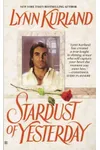
- Stardust of Yesterday (1996)
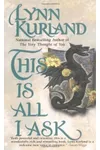
- This Is All I Ask (1997)
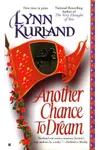
- Another Chance to Dream (1998)
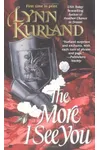
- The More I See You (1999)
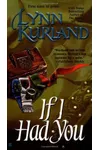
- If I Had You (2000)
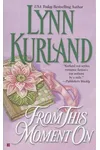
- From This Moment On (2002)
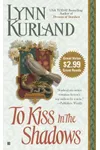
- To Kiss in the Shadows (2002)
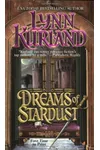
- Dreams of Stardust (2005)
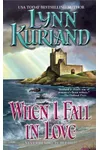
- When I Fall in Love (2007)
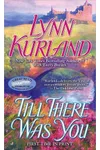
- Till There Was You (2009)
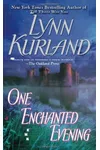
- One Enchanted Evening (2010)
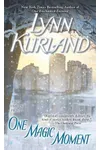
- One Magic Moment (2011)
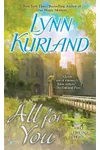
- All For You (2012)
- Roses in Moonlight (2013)
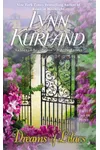
- Dreams of Lilacs (2014)
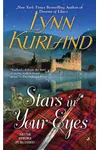
- Stars in Your Eyes (2015)
2. Chronological Reading Order
If you prefer to follow the De Piaget family's history from the earliest medieval era forward through the centuries, this order tracks the internal timeline of the characters' lives:
- Another Chance to Dream (1998) – Set in the early 13th century, introducing the family patriarch Rhys de Piaget.
- If I Had You (2000) – Follows Rhys's son, Robin de Piaget, at Artane Castle.
- Dreams of Stardust (2005) – A time-travel story pairing a modern heroine with a medieval knight.
- When I Fall in Love (2007) – Continues the medieval lineage.
- One Enchanted Evening (2010) – Focuses on Montgomery de Piaget.
- This Is All I Ask (1997) – The story of Kendrick de Piaget's son, Christopher of Blackmour.
- The More I See You (1999) – Features Richard de Galtres in the 13th century.
- To Kiss in the Shadows (2002) – Set in the late 13th century.
- From This Moment On (2002) – Explores the family lineage into the 14th century.
- Stardust of Yesterday (1996) – The debut novel featuring Kendrick de Piaget as a ghost in the modern era.
- Dreams of Lilacs (2014) – A later medieval romance centering on Isabelle de Piaget.
- One Magic Moment (2011) – Centered on John de Piaget.
- All For You (2012) – Follows Stephen de Piaget.
- Stars in Your Eyes (2015) – Pairs Phillip de Piaget with Imogen Maxwell in Scotland.
- Till There Was You (2009) – A cross-era romance moving into the 19th century.
- Roses in Moonlight (2013) – A time-spanning romance that weaves between eras.
Where to Start: Recommended Reading Paths
If you are a newcomer to Kurland's work, we recommend starting with either Another Chance to Dream or Stardust of Yesterday. Starting with Another Chance to Dream gives you the historical origin of the De Piaget line in the 1200s, grounding you in the family's medieval roots. If you prefer the whimsy of modern time-travel and paranormal romance, start with Stardust of Yesterday, which introduces the family's legacy through a ghostly haunting in the modern day. Both starting points are highly welcoming and do not require prior knowledge of the universe.
What to Know Before You Start
Lynn Kurland's romances are celebrated for their focus on emotional depth, cozy historical atmospheres, and clean, romantic tension. Unlike many contemporary historical romances, the physical intimacy in these books is understated and kept behind closed doors, shifting the focus to witty banter, character development, and magical destiny. Additionally, because the books are written as standalones within a shared universe, you don't have to worry about frustrating cliffhangers; each couple's story is fully resolved by the end of their respective book.