






The Recommended Reading Order
Lauren Oliver’s Delirium series is more than just a trilogy. While the central narrative is carried by three main novels, the author also released several companion novellas that provide vital context, backstory, and alternate perspectives. To experience the story with the best emotional resonance and narrative flow, readers should weave the novellas between the main novels rather than reading them afterward.
The recommended reading order is as follows:
- Delirium (Book 1) – The essential starting point. This novel introduces Lena Haloway, her friend Hana, and the restricted, emotionless society of Portland, Maine.
- Hana (Companion Novella 1) – Set during the same timeframe as Delirium, this story is told from the perspective of Lena's best friend, Hana Tate. It explores her secret rebellions and thoughts leading up to her scheduled cure, offering a stark contrast to Lena's journey.
- Annabel (Companion Novella 2) – A prequel story centering on Lena’s mother, Annabel. While chronologically it takes place earliest in the timeline, reading it here provides critical background information that enhances the emotional weight of the subsequent books.
- Pandemonium (Book 2) – The second main novel, following Lena as she escapes to the Wilds and joins the rebel movement, adapting to a harsh new reality.
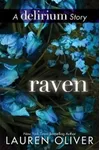
- Raven (Companion Novella 3) – Focusing on Raven, the fierce leader of the rebel camp in the Wilds who takes Lena in. This story provides crucial character depth right before the final conflict escalates.
- Requiem (Book 3) – The final book in the trilogy, which alternates viewpoints between Lena in the Wilds and Hana back in Portland.
- Alex (Companion Novella 4) – Written from the perspective of Alex, Lena's first love. Reading this after the main trilogy is highly recommended, as it contains major spoilers for the events of the latter half of the series.
- The Book of Shhh – A companion handbook that compiles the government-issued regulations, propaganda, and "scientific" data surrounding Amor Deliria Nervosa. It acts as an immersive piece of world-building to browse after finishing the narrative.
Publication Order of the Delirium Books
If you prefer to read the series in the exact order in which Lauren Oliver released the material to the public, you will follow a very similar structure. The companion stories were published digitally to bridge the gaps between the physical releases of the main novels.
- Delirium (Novel) – March 2011
- Hana (Novella) – December 2011
- Pandemonium (Novel) – February 2012
- Annabel (Novella) – December 2012
- Raven (Novella) – March 2013
- Requiem (Novel) – March 2013
- Alex (Novella) – March 2013
- The Book of Shhh (Companion Document) – May 2016
For readers who prefer physical copies of the companion stories, HarperCollins published them together in printed collections. The most common release is Delirium Stories: Hana, Annabel, and Raven (released in 2013), which bundles the first three companion novellas. Some international editions also bundle the novella Alex within the same compilation or at the back of deluxe editions of the main novels.
Chronological Order vs. Recommended Order
A strictly chronological reading of the series would place the novella Annabel at the very beginning, as it covers the life and resistance of Lena's mother years before the events of the first book. However, reading Annabel first is discouraged for new readers. The fate of Lena's mother is one of the central mysteries driving Lena's emotional development and her initial fear of the disease in Delirium. Starting with the prequel novella ruins this suspense and spoils key plot points.
Similarly, the novella Alex covers events that cross over with both Delirium and Pandemonium. However, reading it before finishing the second book ruins major plot twists regarding his survival and his perspective. The safest path remains the Recommended Order, which preserves the mystery and mirrors the publication sequence.
Deep Dive into the Companion Stories
Understanding what each companion novella covers can help you decide how much time to spend on them:
- Hana: Shows the social pressure of the "cure" from the perspective of a wealthy, popular girl. It reveals that even those who seem to fit perfectly into the system secretly harbor deep doubts and engage in forbidden behaviors, such as attending underground dance parties.
- Annabel: Reveals the backstory of Lena’s mother, who was imprisoned for repeatedly resisting the cure. It details her survival, her escape, and the origins of her rebellious spirit, showing that the resistance has deep roots.
- Raven: Fills in the blanks of Raven’s life before she met Lena. It details her survival in the Wilds, her pregnancy, and the sacrifices she made to protect her friends, adding significant depth to her role as a leader.
- Alex: Gives readers a look into Alex's mind, his survival after the fence line sequence in the first book, and his complex emotions as he navigates his return to the system as a double agent.
What to Know Before You Start
The Delirium universe is built on a simple yet terrifying premise: love is a disease known scientifically as Amor Deliria Nervosa. In this alternate version of the United States, the government has walled off cities and established a mandatory surgical procedure (referred to as "the cure") for all citizens once they turn 18 to render them immune to emotions. The tone of the series is highly poetic, romantic, and atmospheric, leaning heavily on the emotional internal monologues of its characters.
While the trilogy was a major cornerstone of the 2010s young adult dystopian boom, it is distinct from action-heavy series like The Hunger Games. It focuses more on the philosophical and personal cost of losing the ability to feel, making the companion stories particularly valuable because they highlight how different characters process this emotional void.