

The Recommended Reading Order
The Detective Hiroshi series is best read in publication order. Because the narrative flow aligns directly with the timeline of Detective Hiroshi Shimizu's career and personal evolution, following the books in the order they were written provides the most satisfying character development. Below is the recommended reading path:
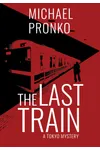
- The Last Train (2017)
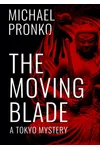
- The Moving Blade (2018)
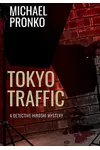
- Tokyo Traffic (2020)
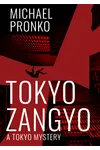
- Tokyo Zangyo (2021)
- Azabu Getaway (2022)
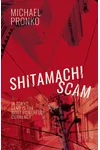
- Shitamachi Scam (2023)
- Tokyo Juku (2025)
The Detective Hiroshi Books: A Deep Dive
Michael Pronko uses specific corners of Tokyo's culture, industry, and geography to anchor each mystery. Here is what to expect from each installment in the series:
1. The Last Train (2017)
The series begins when an American businessman is pushed in front of a subway train in Tokyo. Initially dismissed as a routine suicide, Detective Hiroshi Shimizu discovers security footage of a mysterious woman, Michiko Suzuki, accompanying the victim. Hiroshi's forensic accounting background proves vital as he uncovers a web of insider trading, hostess clubs in Roppongi, and real estate scams, chasing the killer before she can flee the country.
2. The Moving Blade (2018)
In this second installment, an American diplomat named Bernard Mattson is brutally murdered with a samurai sword in his Tokyo home. When his estranged daughter Jamie arrives in Japan looking for answers, she becomes a target. Hiroshi must navigate political conspiracies, massive street protests, and military base politics to reveal a cover-up that threatens U.S.-Japan relations.
3. Tokyo Traffic (2020)
This entry dives into the dark world of human trafficking and cryptocurrency. Following a triple murder at an adult film studio, a young Thai woman named Sukanya flees with a laptop containing highly sensitive files. As she runs for her life through Tokyo's underworld, Hiroshi traces the digital and financial trails to find her before the traffickers do.
4. Tokyo Zangyo (2021)
Focusing on the toxic culture of corporate Japan, this novel begins with a high-level corporate manager falling to his death from the roof of his company's headquarters. The death occurs at the exact spot where a female employee committed suicide years earlier due to extreme, unpaid overtime (known as zangyo). Hiroshi must dissect corporate cover-ups to determine if this death was suicide, an accident, or murder.
5. Azabu Getaway (2022)
Set in the high-wealth district of Azabu, this book explores tax evasion, international money laundering, and greed. The murder of a wealth manager leads Hiroshi into a high-stakes investigation that takes a terrifying turn when the young daughters of an international couple are kidnapped. Hiroshi must race against time to rescue the children and unravel the financial fraud.
6. Shitamachi Scam (2023)
Focusing on the older, historic eastern district of Tokyo (Shitamachi), this story follows a predatory scam targeting elderly residents. After the suspicious deaths of an elderly widow and a reclusive student, Hiroshi teams up with a women's crime task force detective named Ishii. They expose a ring of real estate scammers swindling retirees out of their family properties to make way for major urban redevelopments.
7. Tokyo Juku (2025)
Set against the backdrop of Japan's high-pressure academic system, the seventh novel centers on a murder at a juku (cram school). An eighteen-year-old student, Mana, wakes up late at night to discover her star tutor has been murdered. Hiroshi must penetrate a competitive, cutthroat environment where parents, teachers, and administrators will stop at nothing to ensure university placement.
Chronological vs. Publication Order
Fortunately for readers, there are no complicated prequels or timeline jumps in the Detective Hiroshi series. The publication order matches the chronological order perfectly. As Hiroshi grows from a forensic accountant adjusting to police work into a seasoned detective, the books track his career step-by-step. Reading the books out of order will reveal major spoilers about his personal life, his professional status, and his relationships with recurring characters like his mentor Takamatsu and the former sumo wrestler Sakaguchi.
Where to Start and Practical Reader Advice
Without a doubt, the best place to start is The Last Train. It establishes Hiroshi's unique methodology—using financial transactions, records, and tax filings to crack cases that traditional street detectives might miss. While each book contains a self-contained mystery that is resolved by the final page, the emotional development of the recurring cast spans the entire series. If you cannot find the first book, the novels are written with enough context to function as standalones, but starting from the beginning is highly recommended to appreciate the shifting dynamics within the Tokyo Metropolitan Police Department.
Beyond the Mystery: Pronko's Tokyo Essays
To fully appreciate the atmospheric depth of the Detective Hiroshi series, readers should explore Michael Pronko's non-fiction essay collections. Having lived in Tokyo for decades as a professor of literature, Pronko has written extensively about the city's rhythms, architecture, and contradictions. Books like Beauty and Chaos: Slices and Morsels of Tokyo Life (2009), Tokyo’s Mystery Deepens (2014), Motions and Moments (2015), and Tokyo Tempos (2024) serve as excellent companion reads. They provide the real-world context for the busy subway lines, quiet temples, and corporate pressures that Hiroshi encounters daily.
What to Know Before You Start
The Detective Hiroshi series sits comfortably at the intersection of international thriller and police procedural. It is less about classic action and more about intellectual sleuthing, cultural observation, and systemic critique. Pronko does not shy away from exposing the darker aspects of modern Japanese society, including corporate exploitation, elderly fraud, and human trafficking. However, this grit is balanced by a deep, poetic love for Tokyo itself—its late-night ramen shops, neon lights, and quiet seasonal beauty.