
How to Read the Dexter Books in Order
When it comes to following the double life of Dexter Morgan—Miami Metro blood spatter analyst by day, vigilante serial killer by night—navigating the series is straightforward. The main novel series, written by Jeff Lindsay, follows a linear storyline where publication order matches the chronological order of events. Reading them out of order is not recommended, as character arcs, marital status changes, and Dexter's increasingly complex family dynamics evolve sequentially from book to book.
The Core Dexter Novels in Publication Order
To experience the full progression of Dexter's narrative, his struggles with his internal 'Dark Passenger,' and his relationships with Debra, Rita, and the children, you should read the main novels in this sequence:
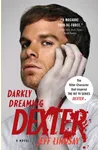
- Darkly Dreaming Dexter (2004): The award-winning debut that introduces Dexter Morgan, his foster father Harry's Code, and the hunt for the Ice Truck Killer. This book serves as the foundational lore for the entire franchise.
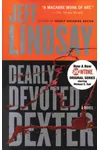
- Dearly Devoted Dexter (2005): Dexter is forced to play the role of a domestic family man while hunting a sadistic killer who leaves victims horribly mutilated, all while Sergeant Doakes intensifies his suspicion of Dexter.
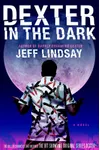
- Dexter in the Dark (2007): The most controversial entry in the series, this book explores a quasi-supernatural origin for Dexter's Dark Passenger, tying it to an ancient entity. It introduces a shift in tone that fans either love or hate.
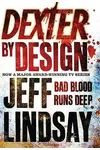
- Dexter by Design (2009): Returning to a more grounded psychological thriller format, this installment finds Dexter dealing with an avant-garde artist in Miami who uses murder victims as public art installations.
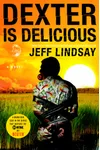
- Dexter Is Delicious (2010): Following the birth of his daughter Lily Anne, Dexter contemplates leaving his killing days behind. However, he is soon drawn into a bizarre case involving a group of cannibalistic Goths.
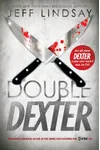
- Double Dexter (2011): The tables are turned when someone witnesses Dexter committing one of his vigilante murders, sparking a high-stakes cat-and-mouse game with a copycat shadow.
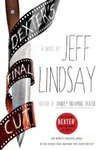
- Dexter's Final Cut (2013): A Hollywood production comes to Miami to shadow the police department, pulling Dexter into a glamorous but dangerous web of obsession that completely upends his personal life.
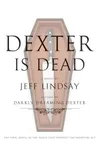
- Dexter Is Dead (2015): The final chapter. Jailed for a crime he didn't commit and abandoned by those closest to him, Dexter must rely on his brother Brian to help him clear his name and tie up loose ends once and for all.
The Graphic Novels: Marvel Comics Tie-Ins
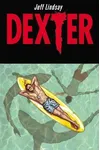
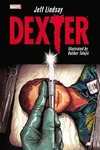
In addition to the eight novels, creator Jeff Lindsay wrote two graphic novel miniseries published by Marvel Comics. These are original stories featuring the book version of the characters, but they function as standalone spin-offs rather than essential reading for the main storyline. They are best enjoyed after you have read at least the first few novels to establish a feel for the characters.
- Dexter (2013): This comic series pits Dexter against a new serial killer in Miami while dealing with a former high school bully. Fan consensus places this story somewhere between the events of Dexter by Design and Dexter Is Delicious based on character relationships.
- Dexter Down Under (2014): A standalone adventure that takes Dexter to Australia, where he investigates a series of murders. This story has fewer tie-ins to the main cast and can be read independently at any point after the first few novels.
Dexter Books vs. TV Series: Major Differences
Many readers find their way to Jeff Lindsay's novels after watching the popular Showtime TV series starring Michael C. Hall. While the first season of the show is a relatively faithful adaptation of the first book, Darkly Dreaming Dexter, the television series and the novels diverge dramatically starting with season two. Here are the key differences to keep in mind:
The Fate of Brian Moser
In the television series, Dexter kills his brother Brian Moser (the Ice Truck Killer) at the end of the first season. In the novels, Brian survives the initial confrontation. He remains a recurring character who pops in and out of Dexter's life, culminating in a major role in the final book, Dexter Is Dead.
The Nature of the Dark Passenger
The TV show treats the 'Dark Passenger' purely as a psychological manifestation of Dexter's childhood trauma. In contrast, the books—specifically Dexter in the Dark—suggest that the Dark Passenger is an actual external, quasi-supernatural entity descended from the ancient god Moloch. Although later books dial back the supernatural focus, it remains a distinct element of the book lore.
Cody and Astor's Dark Tendencies
In the television series, Rita's children, Cody and Astor, are normal kids who remain largely oblivious to Dexter's double life. In the novels, Dexter discovers that both children have been severely traumatized by their biological father and are exhibiting early signs of sociopathy. Dexter decides to act as their mentor, planning to teach them Harry's Code when they grow older.
The Fate of Debra Morgan
The relationship between Dexter and his adoptive sister Debra is the emotional core of both versions, but her trajectory is completely different. In the books, Debra remains focused on her career and eventually learns Dexter's secret, leading to a long period of psychological struggle, but the details of her life, relationships, and ultimate fate contrast sharply with the TV show's controversial finale.
What to Know Before You Start Reading
If you are jumping from the screen to the page, be prepared for a shift in tone. The book version of Dexter is much colder, more cynical, and less heroic than his television counterpart. He has a dry, pitch-black sense of humor, and his internal monologue dominates the narrative. The books do not try to make Dexter a misunderstood hero; they remind you that he is, first and foremost, a predator who happens to target other predators.
For the best experience, start with Darkly Dreaming Dexter. Skip the graphic novels until you have read the first four books to avoid minor character spoilers, and treat the television series and the novels as two completely separate parallel universes.