
Where to Start Your Discworld Journey
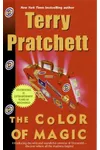
With 41 novels spanning over three decades, Discworld is less of a single consecutive series and more of a shared universe made up of several distinct character arcs and standalone stories. Because of this, you do not have to start at the very beginning. In fact, most seasoned fans and the official publisher guidelines recommend against starting with the first book, The Colour of Magic. That early novel is a highly satirical parody of classic 1970s sword-and-sorcery tropes, and it takes a few books for Terry Pratchett to find the warm, deeply humanistic, and philosophical tone that defines the rest of the series.
Instead, most readers find success by choosing one of the following highly recommended entry points based on their personal taste:
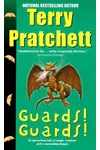
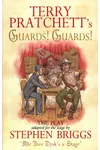
- For Crime and Urban Fantasy Fans: Start with Guards! Guards!. This introduces the City Watch subseries, following a cynical, down-on-his-luck captain of the guard in the chaotic metropolis of Ankh-Morpork. It is widely considered the best all-around starting point for the entire franchise.
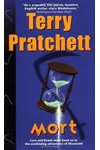
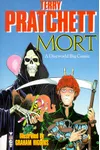
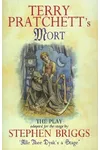
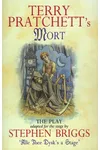
- For Fans of Dark Comedy and Grim Reapers: Start with Mort. This launches the Death subseries, where a clumsy young apprentice is hired by Death himself (who is a recurring, fan-favorite character who speaks in ALL CAPS).
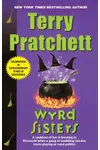
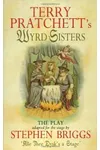
- For Folklore and Shakespeare Lovers: Start with Wyrd Sisters. This introduces the Witches subseries, centering on a trio of formidable, sharp-tongued witches who deal with royal drama, local gossip, and the practicalities of magic in the rural kingdom of Lancre.
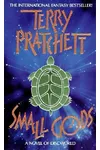
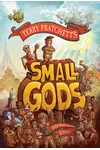
- For a Completely Standalone Entry: Start with Small Gods. This self-contained historical novel set in the Disc's past explores religion, belief, and philosophy through a giant tortoise and a novice monk. It requires zero prior knowledge of the rest of the universe.
- For Younger Readers or Fairy Tale Fans: Start with The Wee Free Men. This starts the Tiffany Aching YA subseries, following a young shepherdess who teams up with loud, blue, pint-sized warriors (the Nac Mac Feegle) to rescue her brother from the Queen of the Elves.
The Core Subseries and Recommended Paths
Once you have chosen an entry point, you can follow that specific subseries to its conclusion, or bounce between different arcs. The main subseries are highly distinct in tone and focus:
The City Watch (The Police/Noir Arc)
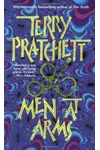
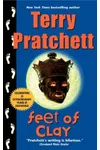
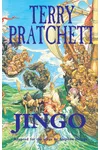
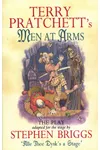
This arc follows the evolution of the Ankh-Morpork City Watch from a run-down laughingstock to a modern, diverse police force. It deals with political intrigue, societal changes, racism (between dwarfs, trolls, and vampires), and mystery. The reading order is: Guards! Guards!, Men at Arms, Feet of Clay, Jingo, The Fifth Elephant, Night Watch, Thud!, and Snuff.
The Witches (Folklore and Feminism Arc)
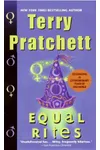
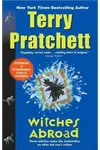
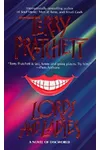
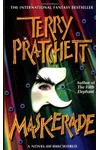
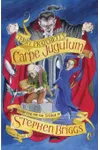
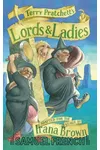
Set in the Ramtop Mountains, these books follow Granny Weatherwax, Nanny Ogg, and later Magrat Garlick and Agnes Nitt. Rather than using flashy spells, these witches rely heavily on "headology"—a form of practical psychology. The order is: Equal Rites, Wyrd Sisters, Witches Abroad, Lords and Ladies, Maskerade, and Carpe Jugulum.
Death (The Philosophical Arc)
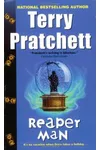
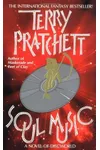
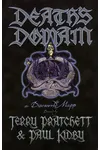
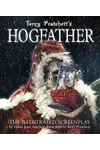
Death is one of Discworld's most beloved figures, fascinated by humanity and trying to understand what makes people tick. His family, including his granddaughter Susan Sto Helit, often gets swept up in his duties. The order is: Mort, Reaper Man, Soul Music, Hogfather, and Thief of Time.
The Wizards and Rincewind (The Traditional Fantasy Arc)
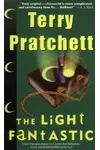
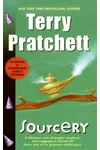
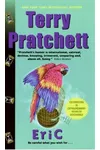
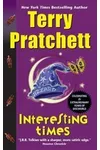
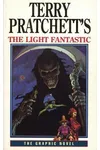
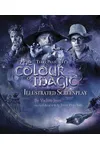
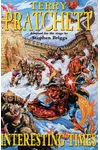
Focusing on the cowardly wizard Rincewind who excels at running away, and the eccentric faculty of the Unseen University. These books skew closest to traditional fantasy parodies. The order is: The Colour of Magic, The Light Fantastic, Sourcery, Eric, Interesting Times, The Last Continent, and Unseen Academicals.
Moist von Lipwig / Industrial Revolution (The Modernization Arc)
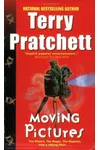
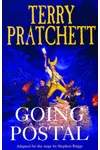
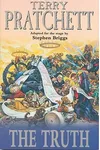
Following Moist von Lipwig, a con artist forced by the city's ruler to revitalize failing public institutions. These novels track the rapid modernization of Ankh-Morpork. The order is: Going Postal (the post office), Making Money (the bank), and Raising Steam (the railway). Other books like Moving Pictures (cinema) and The Truth (printing press) also fit into this broader theme of technological change.
Tiffany Aching (The YA Arc)
Set on the Chalk, this series tracks the growth of a young witch from childhood to adulthood. It includes the final book Terry Pratchett wrote before his passing, bringing a poignant conclusion to the entire Discworld universe. The order is: The Wee Free Men, A Hat Full of Sky, Wintersmith, I Shall Wear Midnight, and The Shepherd's Crown.
Publication Order vs. Chronological Order
Reading in strict publication order (from 1983's The Colour of Magic to 2015's The Shepherd's Crown) is a popular alternative. The advantage of this approach is that you witness the world grow organically. Ankh-Morpork goes from a gritty medieval city to a bustling Victorian-style industrial hub. Characters introduced in one subseries will occasionally pop up as cameos in others, and the writing style matures significantly.
However, the downside is that the first two books (which form one continuous story) can be a hurdle for some readers due to their episodic nature and heavy reliance on parodying 20th-century fantasy authors. If you do choose the publication path, it is recommended to keep pushing through to Equal Rites and Mort, where Pratchett's signature style truly begins to shine.
Chronological Caveats and Order Disagreements
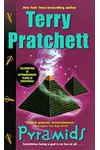
While the publication order generally matches the chronological flow of time in the universe, the Discworld's timeline is notoriously fluid. In Thief of Time, the literal fabric of time is shattered and rebuilt, which fans joke explains any minor continuity discrepancies between books. Additionally, historical standalones like Pyramids and Small Gods are set centuries before the events of the main novels, meaning they can be read at absolutely any point without disrupting the overarching narrative flow.
Some fan lists debate whether books like The Last Hero or short stories like Troll Bridge should be inserted at specific points, but the general consensus remains: do not stress too much about strict chronological consistency. The author himself frequently stated that there is no single right way to read his books.
Beyond the Core Novels: Side Stories and Companions
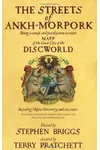
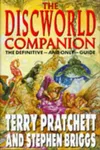
For readers who want to immerse themselves further, there are numerous spin-offs, guides, and adaptations. Pratchett co-authored several companion books, such as The Discworld Companion and The Folklore of Discworld, which offer deep lore, maps, and worldbuilding insights. There are also humor-focused extensions like Nanny Ogg's Cookbook and in-universe guides like Mrs Bradshaw's Handbook.
Shorter works such as the novelette The Sea and Little Fishes (featuring Granny Weatherwax) and the short stories Troll Bridge and Death and What Comes Next add delightful flavor. Furthermore, fans can explore graphic novel adaptations of early books, illustrated editions like The Last Hero, and play scripts adapted for the stage, which highlight just how performative and theatrical Pratchett's dialogue is.
What to Know Before You Start
Discworld is famous for its lack of chapters. Pratchett preferred a continuous narrative flow, believing that life does not happen in neat chapters. Instead, he utilized frequent footnotes to deliver side-jokes, worldbuilding trivia, and dry comedic observations. Embrace these footnotes; they are a key part of the reading experience. Finally, keep in mind that the tone evolves from lighthearted farce in the 1980s to deeply emotional, socially conscious satire in the 2000s, making it a series that grows up alongside its readers.