

The Recommended Reading Order: Why Publication Order is Key
When diving into the world of Dismas Hardy, the absolute best path is to follow the original publication order. John Lescroart has crafted a deeply interconnected "San Francisco Universe" where characters do not remain static. Over the course of more than three decades, characters marry, have children, suffer tragedies, change careers, and age in real-time. Reading out of order will spoil major personal milestones and structural shifts in the characters' lives.
Because the publication order mirrors the internal chronology of the series, you do not need to skip back and forth in time. However, the true challenge for readers lies in deciding whether to stick strictly to the books carrying the Dismas Hardy name, or to read the entire universe in a unified sequence that incorporates his close allies.
Option 1: The Core Dismas Hardy Series
If you only want to follow Dismas Hardy's personal cases and courtroom appearances, you can read the 19 primary novels focused on his character. Even within this narrow list, you will see his best friend, homicide detective Abe Glitsky, play a major role in nearly every book. Here is the core reading list in order:
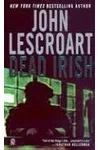
- Dead Irish (1989) - Introducing Dismas Hardy as a grieving former cop and lawyer working as a bartender.
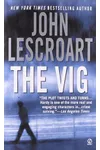
- The Vig (1990) - Hardy is pulled back into the legal world when an old friend needs representation.
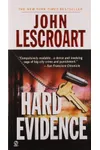
- Hard Evidence (1993) - A high-stakes murder case that establishes Hardy as a premier defense attorney.
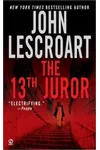
- The 13th Juror (1994) - A domestic abuse defense case that is widely considered the emotional peak of the early series.
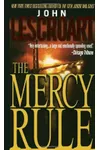
- The Mercy Rule (1998) - Hardy defends an attorney accused of the mercy killing of his own father.
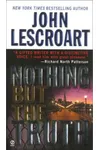
- Nothing but the Truth (2000) - Hardy's personal life collides with the courtroom when his wife is jailed for refusing to reveal a source.
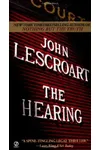
- The Hearing (2001) - A dual-protagonist novel featuring both Hardy and Abe Glitsky dealing with a murder case in the lawyer's past.
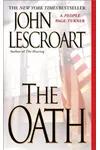
- The Oath (2002) - A medical malpractice case that spirals into murder.
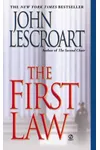
- The First Law (2003) - The focus shifts toward Glitsky and a personal conflict that threatens his career, with Hardy assisting.
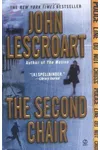
- The Second Chair (2004) - Hardy and his associate Gina Roake defend a teenager accused of double murder.
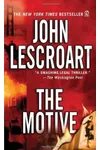
- The Motive (2004) - A double homicide puts Hardy and Glitsky on opposing sides of the investigation.
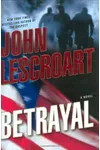
- Betrayal (2008) - Hardy takes on a case involving military contractors and murder.
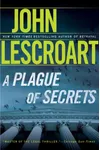
- A Plague of Secrets (2009) - Hardy defends a client accused of murder amidst political fallout.
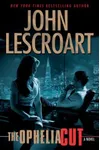
- The Ophelia Cut (2013) - Hardy defends a family member in a deeply personal and controversial case.
- The Keeper (2014) - Hardy and Glitsky investigate the mysterious disappearance of a woman.
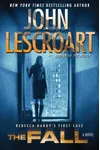
- The Fall (2015) - Hardy represents a foster child accused of murder.
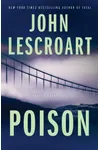
- Poison (2018) - Hardy investigates the suspicious death of a wealthy matriarch.
- The Rule of Law (2019) - Hardy's office is thrown into chaos when his longtime secretary is accused of helping a fugitive.
- The Missing Piece (2022) - Hardy defends a man who served time for a murder he claims he didn't commit.
Option 2: The Unified San Francisco Universe Order
Because characters like Abe Glitsky, Wyatt Hunt, and Gina Roake have their own standalone books that directly impact the status quo of the Dismas Hardy series, many fans recommend reading all of Lescroart's San Francisco books in one chronological stream. This unified order weaves the spin-offs into the timeline exactly where they occurred:
- Dead Irish (1989) [Hardy #1]
- The Vig (1990) [Hardy #2]
- Hard Evidence (1993) [Hardy #3]
- The 13th Juror (1994) [Hardy #4]
- A Certain Justice (1995) [Abe Glitsky #1 - No Hardy, but crucial for Glitsky's life]
- Guilt (1997) [Abe Glitsky #2 - Features Hardy as a minor character]
- The Mercy Rule (1998) [Hardy #5]
- Nothing but the Truth (2000) [Hardy #6]
- The Hearing (2001) [Hardy #7 / Glitsky #3]
- The Oath (2002) [Hardy #8]
- The First Law (2003) [Hardy #9]
- The Second Chair (2004) [Hardy #10]
- The Motive (2004) [Hardy #11]
- The Hunt Club (2006) [Wyatt Hunt #1 - Introduces private investigator Wyatt Hunt]
- The Suspect (2007) [Gina Roake #1 - Places Hardy's law partner Gina in the lead]
- Betrayal (2008) [Hardy #12]
- A Plague of Secrets (2009) [Hardy #13]
- Treasure Hunt (2010) [Wyatt Hunt #2]
- Damage (2011) [Abe Glitsky #4 - Features Hardy in a major supporting role]
- The Hunter (2012) [Wyatt Hunt #3]
- The Ophelia Cut (2013) [Hardy #14]
- The Keeper (2014) [Hardy #15]
- The Fall (2015) [Hardy #16]
- Poison (2018) [Hardy #17]
- The Rule of Law (2019) [Hardy #18]
- The Missing Piece (2022) [Hardy #19]
Understanding the Spin-offs and Crossovers
John Lescroart's books are a masterclass in sharing characters across different titles. Here is a breakdown of the primary spin-off series and how they tie back to Dismas Hardy:
The Abe Glitsky Series
Abe Glitsky is a detective with the San Francisco Police Department, known for his cynical worldview and strong moral compass. He is Hardy's best friend and foil. Books like A Certain Justice and Guilt focus on Glitsky's personal life and career, including the tragic event in A Certain Justice that significantly reshapes his character. If you skip these two books, Glitsky's sudden personal changes in subsequent Hardy books like The Mercy Rule will feel jarring and unexplained.
The Wyatt Hunt Series
Wyatt Hunt is a private investigator who runs his own firm, "The Hunt Club." Hunt is younger, tech-savvier, and operates in different circles than Hardy, but their paths cross frequently. In the later Hardy books, Hardy often hires Hunt's agency to conduct investigations for his defense cases. Reading the Hunt books provides deeper context on his team and their methods.
The Gina Roake Series
Gina Roake is an attorney who joins Hardy's firm early in the series. While she is a mainstay supporting character in the courtroom, she takes the lead in The Suspect. This book details her personal struggles after a tragedy and her relationship with Wyatt Hunt, which becomes a recurring plot point in subsequent Dismas Hardy novels.
Practical Reading Advice
What is the Best Starting Point?
For the complete experience, start with Dead Irish. It explains how Dismas Hardy fell from grace, why he is bartending at the beginning of the series, and how his family tragedy shapes his reluctant return to the law. However, if you are looking for pure, high-stakes courtroom drama, The 13th Juror is a brilliant alternative entry point. It is the book that solidified Lescroart's status as a bestseller and highlights Hardy at the peak of his defense attorney skills without requiring heavy knowledge of the previous three books.
Can These Books Be Read as Standalones?
Yes. Each book focuses on a specific, self-contained mystery or trial that is fully resolved by the final page. You will not be left with unresolved cliffhangers regarding the legal cases. However, the overarching soap opera of the characters' lives—births, deaths, career promotions, and personal relationships—is continuous. Reading them out of order means you will know who marries whom, who survives life-threatening injuries, and who retires long before you reach those moments in the timeline.
What to Know Before You Start
Unlike many legal procedurals written by former lawyers, John Lescroart is not an attorney. Instead, he relied on extensive research, interview access with SFPD detectives, and local defense attorneys to ground his books in realistic procedure. The setting of San Francisco is as much a character as Hardy himself, with real-life bars, neighborhoods, and the foggy Bay atmosphere coloring the background of every investigation. The tone of the series strikes a balance between gritty realism and a warm focus on family and community, making it a comforting but thrilling read for fans of legal and crime fiction.