


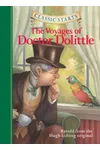
The Whimsical World of Puddleby-on-the-Marsh
Hugh Lofting's beloved children's series introduces readers to Puddleby-on-the-Marsh, a quiet Victorian English town home to the eccentric Doctor John Dolittle. Disillusioned with human patients, the doctor learns the secret languages of animals from his clever parrot, Polynesia, embarking on worldwide adventures with a colorful menagerie of companions. Combining gentle humor, fantasy, and an enduring message of animal welfare, these books have captivated readers for over a century.
Recommended Reading Orders
While the books can generally be enjoyed as standalone adventures, reading them in sequence helps trace character development and overarching plotlines. There are two primary ways to approach the Doctor Dolittle universe: original publication order and internal chronological order.
1. The Publication Order (The Traditional Path)
For most first-time readers, the publication order is the most straightforward and satisfying way to experience the series. This order reflects how Lofting's writing and the world-building evolved over three decades.
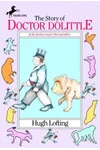
- The Story of Doctor Dolittle (1920)
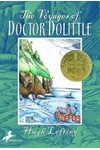
- The Voyages of Doctor Dolittle (1922)
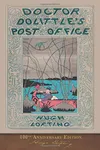
- Doctor Dolittle's Post Office (1923)
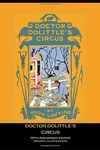
- Doctor Dolittle's Circus (1924)
- Doctor Dolittle's Zoo (1925)
- Doctor Dolittle's Caravan (1926)
- Doctor Dolittle's Garden (1927)
- Doctor Dolittle in the Moon (1928)
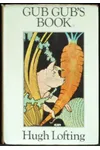
- Gub-Gub's Book (1932)
- Doctor Dolittle's Return (1933)
- Doctor Dolittle's Birthday Book (1936)
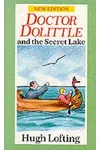
- Doctor Dolittle and the Secret Lake (1948)
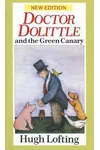
- Doctor Dolittle and the Green Canary (1950)
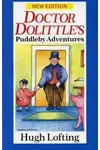
- Doctor Dolittle's Puddleby Adventures (1952)
2. The Chronological Order (The Story Timeline)
Enthusiasts and the official Dr. Dolittle Fan Club suggest a modified reading order based on internal narrative clues. The books are set in the 19th century (starting around 1834), and reading them chronologically maintains a tighter cause-and-effect logic regarding the Doctor's travels, circus career, and his relationships with companions like Tommy Stubbins.
- The Story of Doctor Dolittle (1920) — John Dolittle learns animal speech and makes his first voyage to Africa to cure sick monkeys.
- Doctor Dolittle's Post Office (1923) — Set shortly after the return from Africa, the Doctor sets up a mail service run by birds in the Fantippo Kingdom.
- Doctor Dolittle's Circus (1924) — To pay off his debts, the Doctor joins the circus with the extraordinary, two-headed Pushmi-Pullyu.
- Doctor Dolittle's Caravan (1926) — A direct continuation of the circus adventures, where the Doctor organizes an opera company composed entirely of birds.
- Doctor Dolittle and the Green Canary (1950) — Focuses on Pippinella, the canary from the opera, who tells her life story and prompts a search for her lost master.
- The Voyages of Doctor Dolittle (1922) — Young Tommy Stubbins becomes the Doctor's formal assistant and joins him on a voyage to Spidermonkey Island.
- Doctor Dolittle's Zoo (1925) — Back in Puddleby, the Doctor builds an Animal City, featuring a dog club, mouse club, and animal sanctuary.
- Doctor Dolittle's Garden (1927) — The Doctor studies insect languages and is carried away to the moon by a giant prehistoric moth.
- Doctor Dolittle in the Moon (1928) — The Doctor explores lunar life and meets the Otu the Moon Man, ultimately remaining behind.
- Gub-Gub's Book (1932) — A culinary-themed spin-off starring the Doctor's greedy pig, written while the Doctor is still on the moon.
- Doctor Dolittle's Return (1933) — The Doctor returns to Earth on the back of a giant grasshopper.
- Doctor Dolittle and the Secret Lake (1948) — A massive, two-volume adventure detailing the Doctor's attempt to rescue Mudface, a giant turtle who survived Noah's Flood.
- Doctor Dolittle's Puddleby Adventures (1952) — A posthumous collection of short stories written in the 1920s, featuring tales of the Sea Dog, Dapple the Dalmatian, and other garden residents.
Detailed Book-by-Book Breakdown
The Core Novels
The Story of Doctor Dolittle (1920): The foundation of the franchise. It explains how the Doctor gave up human patients and traveled to Africa with his core team of animals: Polynesia the parrot, Dab-Dab the duck, Jip the dog, Gub-Gub the pig, Too-Too the owl, and Chee-Chee the monkey.
The Voyages of Doctor Dolittle (1922): Winner of the 1923 Newbery Medal, this book introduces nine-year-old Tommy Stubbins, who becomes the narrator for much of the remaining series. They travel to South America, interact with native tribes, and sail back home inside the Great Glass Sea Snail.
Doctor Dolittle's Post Office (1923): Set in West Africa, this book details how the Doctor establishes the 'Express Post for Animals' and defeats slave traders in the Kingdom of Fantippo.
Doctor Dolittle's Circus (1924) & Caravan (1926): These closely linked novels explore the Doctor's financial struggles and his time working in the human entertainment world, leading to his creation of the grand 'Canary Opera'.
Doctor Dolittle's Zoo (1925): A cozy domestic entry focusing on the Doctor's garden estate in Puddleby, featuring a cooperative animal commonwealth and detective stories solved by the local rats and mice.
Doctor Dolittle's Garden (1927) & in the Moon (1928): A shift toward science fiction elements. The Doctor's study of insects leads him to a giant moth, which takes him to the moon where he discovers gigantic vegetation and communicates with lunar intelligence.
Doctor Dolittle's Return (1933): Chronologically follows the lunar adventure, dealing with the Doctor's return to Puddleby, his brief imprisonment, and his adjustments back to terrestrial life.
Doctor Dolittle and the Secret Lake (1948): The final novel published during Lofting's life (written over many years). It features a grand mythic story about the Great Flood as told by Mudface, an ancient giant turtle living in a hidden African lake.
Spin-offs and Posthumous Releases
Gub-Gub's Book (1932): A humorous spin-off consisting of stories told by the pig Gub-Gub, focused entirely on food, gastronomy, and funny animal history. It features no direct Doctor Dolittle adventures.
Doctor Dolittle's Birthday Book (1936): A daily calendar book compiled with quotes and illustrations from the series. It does not contain a narrative story and is typically skipped by modern readers.
Doctor Dolittle and the Green Canary (1950): Edited and completed posthumously by Olga Fricker (Hugh Lofting's sister-in-law) using serialized material and outlines. It expands on the background of Pippinella, the canary featured in Caravan.
Doctor Dolittle's Puddleby Adventures (1952): A final collection of short stories compiled by Olga Fricker. It includes 'The Sea Dog', 'Dapple', 'The Dog Ambulance', and other short tales written by Lofting during his peak years.
Understanding the Text Revisions and Controversies
Modern readers should note that the original 1920s editions of the Doctor Dolittle books contained racial slurs, colonialist attitudes, and problematic subplots (notably Prince Bumpo wishing to turn his skin white to win a princess's favor). In 1988, to mark the centenary of Hugh Lofting's birth, his son Christopher Lofting authorized revised editions published by Dell. These Centenary Editions removed explicit slurs, altered the Prince Bumpo subplot (changing his wish to being turned into a lion or otherwise neutralizing the racial aspects), and modernized outdated language. Most versions sold today are based on these revised texts to ensure the books remain accessible and enjoyable for children without promoting harmful stereotypes.
Practical Reading Guidance
If you are introducing Doctor Dolittle to younger readers, start with the 1988 revised editions of The Story of Doctor Dolittle and The Voyages of Doctor Dolittle. These two books represent the pinnacle of Lofting's storytelling and establish the characters perfectly. The middle books (Post Office through Caravan) can be read in either publication or chronological order depending on whether you want to follow Pippinella's story directly. The lunar books and Secret Lake are best saved for last, as they feature a slightly more complex and slower-paced narrative.