

The Best Way to Read Wilbur Smith's Egyptian Series
Wilbur Smith’s Egyptian series is a masterclass in historical adventure, blending pharaonic politics, chariot battles, and ancient mysticism. Spanning over three decades of writing, the series primarily revolves around the extraordinary figure of Taita, a brilliant eunuch slave who rises to become a powerful advisor and mage. However, because the series loops back in time and shifts perspectives, readers often debate the best way to tackle these novels. You can choose between two main paths: publication order or chronological order.
Option 1: Publication Order (Recommended)
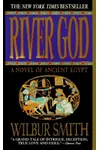
Reading the series in publication order is highly recommended for first-time readers. This sequence follows the evolution of Wilbur Smith’s vision and how he originally built Taita's world. It begins with the iconic epic River God and transitions into a modern-day archaeological sequel, The Seventh Scroll, before diving back into the magic and myth of ancient Egypt. The publication sequence is:
- River God (1993/1994)
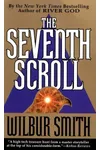
- The Seventh Scroll (1995)
- Warlock (2001)
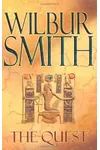
- The Quest (2007)
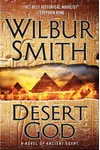
- Desert God (2014)
- Pharaoh (2016)
- The New Kingdom (2021)
- Titans of War (2022)
- Testament (2023)
Option 2: Chronological Order
For readers who want to follow the historical timeline of Ancient Egypt as it unfolds chronologically, the reading order changes dramatically. The newer novels (co-authored with Mark Chadbourn) serve as prequels set before the events of River God, while The Seventh Scroll (which takes place in the modern era) acts as the ultimate thematic conclusion to Taita's legacy. The chronological path is:
- The New Kingdom (2021)
- Titans of War (2022)
- River God (1993/1994)
- Desert God (2014)
- Pharaoh (2016)
- Warlock (2001)
- The Quest (2007)
- The Seventh Scroll (1995)
- Testament (2023)
Note that Testament focuses on Taita's protégé Piay during the chaotic aftermath of the Hyksos rule, positioning its narrative after the events of the core Taita saga but still deep in Egypt's ancient past. Meanwhile, The Seventh Scroll features a modern search for the tomb of the pharaoh from River God, making it a fitting final thematic piece.
A Closer Look at the Books
River God (1993/1994)
This is the book that started it all. Set during the Hyksos invasion, the novel introduces Taita, a gifted slave of Lord Intef. Taita is a polymath—skilled in medicine, poetry, architecture, and military strategy. He serves as a protector and guide to Lord Intef's beautiful daughter, Lostris, and her lover, the warrior Tanus. Together, they embark on a journey south along the Nile to escape invaders and restore the glory of Egypt.
The Seventh Scroll (1995)
A unique departure for the series, this entry is set in the 1990s. It follows archaeologist Royan Al Simma and her husband Duraid as they translate a hidden scroll written by Taita himself. The scroll contains clues to the location of the tomb of Pharaoh Mamose, leading to a modern-day treasure hunt filled with dangerous adversaries who will stop at nothing to claim the ancient gold.
Warlock (2001)
Returning to ancient times, this book takes a turn toward the mystical. Taita, now a warlock with supernatural powers, returns from the wilderness to protect the young prince Nefer Memnon, grandson of his beloved Lostris. Taita must use both his political intellect and his magical arts to shield the prince from murderous conspirators and secure his rightful throne.
The Quest (2007)
Leaning even further into fantasy and dark magic, this novel finds Egypt suffering from terrible plagues and environmental collapse. The Nile has run dry, and the kingdom is in despair. Taita, now centuries old due to his mystical training, leads a small band of warriors to the source of the river to confront an ancient, malevolent force causing the destruction.
Desert God (2014)
With this novel, Wilbur Smith returns to the realistic, military-adventure style of River God. Chronologically, it slots in between the events of River God and Warlock. Taita is tasked by the Pharaoh to build an alliance with the Minoans of Crete and defeat the Hyksos. The story is packed with naval warfare, political negotiations, and daring tactical maneuvers across the Mediterranean.
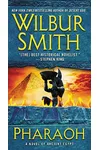
Pharaoh (2016)
Set immediately after the events of Desert God, this book follows Taita as he returns to Egypt to find a usurper on the throne. To defend his homeland, Taita must once again rely on his military brilliance, leading armies into battle and navigating court betrayals to crown the true ruler of Egypt.
The New Kingdom (2021)
Co-authored with Mark Chadbourn, this book serves as a chronological prequel. It centers on Hui, a young man from Luxor who is forced to flee his home after a family betrayal. Joining a band of rebels, Hui sets out to fight the Hyksos conquerors. Along the way, he crosses paths with Taita, who serves as a mysterious and wise mentor.
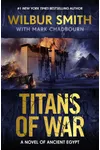
Titans of War (2022)
Continuing the story arc of the Hyksos rebellion, this book focuses on the fierce war to liberate Egypt. Hui and Taita must unite fragmented factions to defeat the foreign conquerors in a series of brutal, large-scale conflicts.
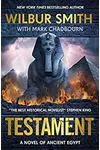
Testament (2023)
Also co-authored with Mark Chadbourn, this novel focuses on Piay, a talented young warrior trained by Taita. When Egypt faces new threats after the fall of the Hyksos, Piay is sent on a perilous quest to solve a legendary riddle that could determine the fate of the empire.
What to Know Before You Start
Before diving into Wilbur Smith's sands of time, there are a few practical details to keep in mind:
- Tone Shifts: While the series is categorized as historical fiction, it features significant elements of fantasy. Books like Warlock and The Quest contain magic, telepathy, and supernatural creatures, whereas River God and Desert God are more grounded in historical warfare.
- Legacy Collaborations: Following Wilbur Smith's death in 2021, his estate collaborated with author Mark Chadbourn to finish manuscripts and outlines Smith had prepared. This partnership produced The New Kingdom, Titans of War, and Testament.
- The Modern Exception: The Seventh Scroll is the only book in the series set in modern times. Despite the setting change, its plot is directly tied to the events of River God, making it a crucial bridge for the series.