

The Recommended Reading Order for the Edward Series
Written by award-winning Montana author Craig Lancaster, the Edward series is a beautifully crafted contemporary fiction trilogy that follows the life of Edward Stanton. Navigating a world that doesn’t always make sense to his highly structured mind, Edward’s journey is best experienced in the order the books were published. Because the story follows a strict timeline of personal growth, major relationship shifts, and developmental milestones, reading the books out of order will spoil key emotional beats and character arcs.
Edward Series in Publication and Chronological Order
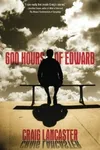
- 600 Hours of Edward (2009)
- Edward Adrift (2013)
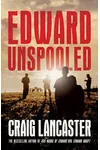
- Edward Unspooled (2016)
Deep Dive into the Edward Stanton Trilogy
Each of the three novels represents a distinct phase of Edward's life, tracing his evolution from a rigidly isolated individual to a married man preparing for fatherhood. Here is what to expect from each installment in the series:
1. 600 Hours of Edward (2009)
The trilogy opens with 600 Hours of Edward, which introduces us to a 39-year-old Edward Stanton living in Billings, Montana. Edward's days are defined by absolute, unyielding routines: he tracks the weather, watches Dragnet at 10:00 p.m. sharp, attends therapy, and spends time writing letters of complaint to various corporations. He lives with Asperger’s syndrome and obsessive-compulsive disorder, preferring the predictability of his schedule over the chaotic nature of social interaction.
His carefully structured world is turned upside down when Donna, a single mother, and her young son, Kyle, move in across the street. Over the course of 25 days (exactly 600 hours), Edward finds himself drawn into their lives. The budding friendship forces him to confront his estranged relationship with his overbearing father, navigate the complexities of genuine human connection, and learn that some disruptions are worth the change to his schedule.
2. Edward Adrift (2013)
Picking up three years after the conclusion of the first novel, Edward Adrift finds Edward at age 42, facing a series of daunting life changes that threaten his hard-won stability. His beloved therapist, Dr. John, has retired, Donna and Kyle have relocated to Boise, Idaho, and he loses his long-held job at the local newspaper. The routines that once protected him now feel like a cage.
To break free from this stagnation, Edward embarks on an unexpected road trip that takes him to Boise and eventually to a small town in southwestern Colorado. Throughout this journey, he confronts childhood memories of summers spent with his father and crosses paths with unique characters, including his eccentric friend Scott Shamwell. As he works to help Shamwell's troubled son, Edward discovers new dimensions of independence, resilience, and the possibility of romantic love.
3. Edward Unspooled (2016)
The final chapter of the trilogy, Edward Unspooled, finds Edward back in Billings, Montana, but his life has changed completely: he is now married to Sheila. After a challenging and ultimately unsuccessful attempt to run a motel in Colorado, the couple returns to Edward's familiar small home, trying to find their footing in a shared environment.
The emotional stakes are raised when they learn they are expecting a child. To process this monumental transition, Edward begins writing letters to his unborn baby, whom he affectionately refers to as "Cellular Stanton." These letters form the narrative backbone of the book, capturing Edward's anxiety, hope, and determination to be a good father. Along the way, he must manage his complex business partnership with Scott Shamwell, support Sheila through her frustrations with Montana life, and reconcile a long-held family secret that changes his understanding of his mother.
What to Know Before You Start
Before diving into Craig Lancaster's trilogy, it is helpful to understand the background and unique style of these books. The debut novel, 600 Hours of Edward, was conceived during the 2008 National Novel Writing Month (NaNoWriMo). Lancaster famously wrote nearly 80,000 words in just 24 days, polishing the manuscript into a story that would go on to win the High Plains Book Award and be named a Montana Honor Book. Originally published by Riverbend Publishing, the series gained international recognition when Lake Union Publishing acquired the rights and released new editions, translating Edward's story for readers worldwide.
The tone of the series is direct, deeply emotional, and laced with dry humor. Because the story is told from Edward’s perspective, readers experience his literal-mindedness and sensory challenges firsthand. Lancaster manages to avoid turning Edward's neurodiversity into a mere gimmick; instead, it serves as the lens through which we view universal human struggles for acceptance, forgiveness, and connection.
Craig Lancaster's portrayal of neurodiversity is praised for its authenticity and empathy. Edward's daily tracking of the weather, his adherence to the 10:00 p.m. airing of Dragnet, and his habit of writing meticulous complaint letters to companies for minor errors are portrayed not just as quirks, but as essential coping mechanisms. By grounding the narrative in Edward's internal logic, Lancaster invites readers to examine their own routines and the chaotic nature of the neurotypical world. The series successfully balances laugh-out-loud moments of social misunderstanding with heart-wrenching struggles of isolation, family expectations, and grief.
Supporting characters also undergo significant growth. Scott Shamwell, who starts as a somewhat crude colleague, becomes a key anchor for Edward, challenging him to step out of his comfort zone. Sheila's character introduces the realities of partnership, showing that love requires compromise from both neurodiverse and neurotypical partners. Donna and Kyle serve as the original catalysts, demonstrating the power of simple, non-judgmental acceptance. These relationships form a rich tapestry that makes Billings feel like a living, breathing community.
Practical Reading Advice
Here are a few quick tips to help you get the most out of your journey with Edward Stanton:
- Do not skip books: While some contemporary series can be read out of order, the Edward trilogy relies heavily on character development. Reading Edward Adrift or Edward Unspooled first will spoil major plot points, including Edward's employment changes, his romantic relationship, and his reconciliation with his family.
- Expect a shift in perspective: The first two books are strictly narrated from Edward's point of view. In the third book, Edward Unspooled, the introduction of letters to his unborn child and shifts in Sheila's perspective provide a broader look at the challenges of living with and loving someone on the autism spectrum.
- Setting is a character: The rugged, beautiful backdrop of Billings, Montana, and the lonely roads of Colorado play an important role in the series. The physical environments mirror Edward's feelings of isolation and his gradual opening up to the world.