


The Recommended Reading Order
Jeanne DuPrau’s Books of Ember is a classic post-apocalyptic science fiction series that captured the imagination of readers in the early 2000s. The series consists of four novels. While there is a prequel that takes place long before the main events, the consensus among fans, educators, and the publisher is that you should read the series in its original publication order. This progression maintains the mystery of the underground city and ensures you experience the narrative arc exactly as DuPrau intended.
- The City of Ember (2003)
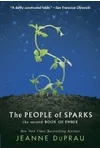
- The People of Sparks (2004)
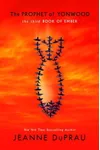
- The Prophet of Yonwood (2006)
- The Diamond of Darkhold (2008)
Chronological Order vs. Publication Order
The main chronological outlier in the series is the third book, The Prophet of Yonwood. Chronologically, the timeline of the universe unfolds like this:
- The Prophet of Yonwood (Set roughly 50 years before the global collapse, and about 300 years before the main trilogy begins)
- The City of Ember (Set in the year 241, centuries after the underground city was sealed)
- The People of Sparks (Begins immediately after the events of the first book)
- The Diamond of Darkhold (Continues the story of the refugees during their first winter on the surface)
Why You Should Avoid the Chronological Path
Starting with the prequel, The Prophet of Yonwood, is generally discouraged for first-time readers. Here is why the publication order is much more rewarding:
- Preserves the Mystery: A large portion of The City of Ember relies on the reader feeling the same sense of isolation and ignorance as the protagonists, Lina and Doon. Reading the prequel first explains exactly how and why the city was constructed, stripping away the sense of wonder and confusion.
- Tone and Setting Shift: The prequel is set in a recognizable, pre-apocalyptic American suburb (the town of Yonwood, North Carolina) and features a completely different cast of characters, primarily focusing on a young girl named Nickie. Jumping from that setting into the dark, steampunk-esque underground tunnels of Ember can feel jarring.
- Disrupts Character Momentum: The People of Sparks ends on a cliffhanger regarding the survival of the Ember refugees. Pausing their story to read a 300-page historical prequel before finding out what happens next in The Diamond of Darkhold can feel frustrating. Saving the prequel for third acts as a breather that fleshes out the world's history before the grand finale.
Detailed Book-by-Book Breakdown
1. The City of Ember (2003)
The novel that started it all introduces us to a city built deep underground as a last resort for humanity. But after 240 years, the city's massive generator is failing, the lights are flickering out, and the food supplies are dwindling. Twelve-year-old Lina Mayfleet and her friend Doon Harrow discover a highly damaged, ancient message from the original Builders. Together, they must decipher the clues to find a way out of the darkness before the city goes dark forever.
2. The People of Sparks (2004)
Picking up immediately where the first book ends, Lina, Doon, and the refugees of Ember emerge onto the surface world. They find themselves in a sun-drenched landscape and encounter the small, agricultural town of Sparks. However, integrating hundreds of underprepared underground city dwellers into a resource-strapped surface village leads to cultural clash, prejudice, and rising tensions that threaten to boil over into violence.
3. The Prophet of Yonwood (2006)
Stepping back three centuries, this prequel explores the town of Yonwood, North Carolina, during a time when global conflict and biological warfare loom on the horizon. When a local woman has a terrifying vision of the world's destruction, the townspeople turn her words into strict, oppressive rules to avoid the apocalypse. Nickie, a young visitor, must navigate this atmosphere of paranoia and religious zealotry. The book's epilogue provides the crucial link showing how these events directly led to the construction of Ember.
4. The Diamond of Darkhold (2008)
The final book returns to Lina and Doon as the refugees face a freezing, brutal winter in Sparks. When a mysterious traveler brings word of an old book outlining a powerful technology left behind in the ruins of Ember, Lina and Doon decide to venture back down into the dark, abandoned city. There, they must face dangerous scavengers called the Troggs to retrieve the last hope for their people's future.
Adaptations and Companion Works
The 2008 Feature Film
In 2008, a movie adaptation titled City of Ember was released. Directed by Gil Kenan, the film starred Saoirse Ronan as Lina Mayfleet, Harry Treadaway as Doon Harrow, and featured a stellar supporting cast including Bill Murray as the corrupt Mayor Cole, Tim Robbins, and Martin Landau. While the film was praised for its atmospheric set designs and cast performances, it was a box-office disappointment, grossing only $17.9 million against a $55 million budget, which prevented any sequels from being greenlit.
The Graphic Novel
In 2012, Random House published a graphic novel adaptation of the first book, adapted by Dallas Middaugh and illustrated by Niklas Asker. The graphic novel is highly praised for its moody, visual depiction of the city's fading lights and is recommended as a great gateway for younger readers or visual learners.
What to Know Before You Start
The Books of Ember are primarily aimed at middle-grade and young adult readers (ages 8–12), but they hold a timeless appeal for older readers who enjoy cozy dystopias and puzzle-solving stories. Unlike action-heavy post-apocalyptic stories like The Hunger Games, Jeanne DuPrau’s series focuses heavily on cooperation, intellectual curiosity, ethics, and environmental stewardship, making it a gentle but thought-provoking adventure.