
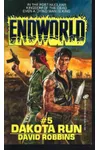
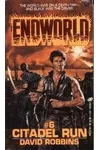
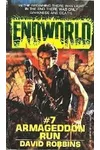
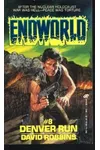
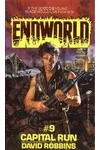
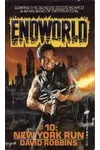
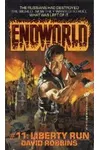
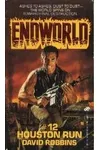
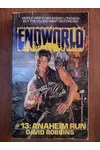
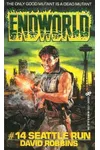
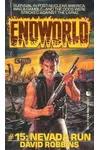
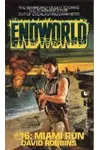
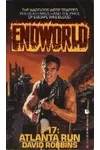
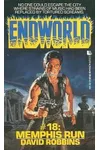
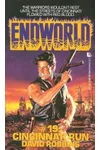
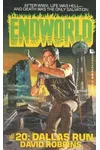
Where to Start Reading Endworld
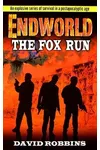
For readers looking to dive into the radioactive, action-packed ruins of David Robbins' post-apocalyptic saga, the absolute best starting point is The Fox Run (1986), the very first novel of the original series. This book establishes the core setting of "The Home" in Minnesota, introduces the survivalist group known as "The Family," and details the initial roster of the "Warriors"—Blade, Hickok, and Geronimo—as they make their first perilous excursions into the mutant-infested wasteland.
While the prequel novel Doomsday (published in 2009) takes place chronologically before the events of the first book, starting there is not recommended for newcomers. The prequels are best read as flashback material after you have already built a connection with the characters and the world through the original books. Starting with the publication order allows you to experience the mystery and dangers of the wasteland exactly as the author originally intended.
The Two Reading Paths: Publication vs. Chronological Order
Like many long-running pulp series, Endworld can be approached in two primary ways depending on your reading style: by release date or by the timeline of the universe.
1. Publication Order (Recommended)
Reading the series by publication order is the most straightforward path and ensures you experience the evolving writing style of the author. This order starts with the original 27-novel run published between 1986 and 1991, followed by the author's later revival novels and prequels.
- The Original Run (Books 1-27): Spans from The Fox Run (1986) through Chicago Run and ends with New Orleans Run (1991). These books focus heavily on short, action-oriented missions where the Warriors travel to different destroyed American cities.
- The Revival Era (2009-2018): Began with the prequel Doomsday (2009) and was followed by sequels that picked up the narrative after the events of New Orleans Run, including Dark Days (2013), The Lords of Kismet (2016), and Synthezoids (2018).
2. Chronological Order
If you prefer to watch the post-apocalyptic timeline unfold from the very beginning of the apocalypse to the far future, you can follow a chronological order. This path inserts the prequels at the very beginning of your reading journey:
- Doomsday (Prequel novel showing the buildup to World War III and the construction of The Home)
- A Girl, The End of the World, and Everything (Prequel set during the fall of civilization)
- A Girl, a Dog, and Zombies on the Munch (The follow-up prequel set in the immediate aftermath of the war)
- The Fox Run through New Orleans Run (The main 27-novel future timeline)
- Dark Days through Synthezoids (The modern sequels continuing the timeline)
Understanding the Blade Spin-Off Series
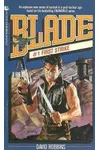
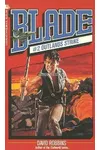
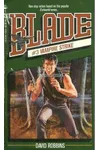
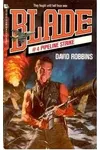
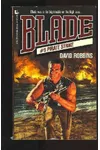
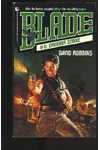
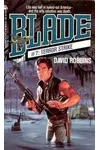
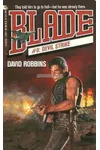
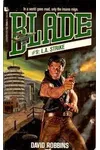
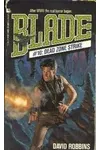
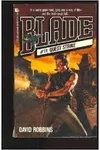
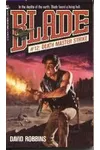
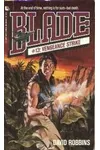
Michael "Blade" King is the knife-wielding leader of the Warriors, and his popularity led to a dedicated 13-novel spin-off series simply titled Blade, published concurrently with the main series between 1989 and 1991. These books are solo adventures that focus heavily on Blade’s specific tasks outside of the compound. Since they are standalone action stories, they do not have a major impact on the main Endworld continuity and can be read at any point after you have read the first few core novels, or as a separate block of pulp reading after completing the main run.
The Wilderness Crossover and the Robbins Shared Universe
One of the most unique aspects of David Robbins' writing is how he connected his post-apocalyptic series with his historical Western novels. Under the pseudonym David Thompson, Robbins wrote a long-running Western series called Wilderness, which follows a mountain man named Nate King in the 1840s.
In the crossover novel Frontier Strike (1996), these two worlds explicitly collide. Blade, Hickok, and Geronimo are pulled back in time through a temporal rift while pursuing a villain, finding themselves in the 19th-century wilderness where they team up with Nate King. Through this book, Robbins established a shared genealogical timeline, revealing that the Western hero Nate King is the direct ancestor of Blade (Michael King). While not required reading to understand the main post-nuclear plot of Endworld, it is a fun, genre-bending excursion for dedicated fans.
What to Know Before You Start
To ensure a smooth reading experience, keep the following details in mind to avoid common points of confusion in the book community:
- Author Confusion: The author of Endworld is David Robbins (sometimes credited as David L. Robbins). He is entirely different from the Richmond-born author David L. Robbins, who is famous for writing historical WWII fiction such as War of the Rats. Double-check the book descriptions to ensure you are getting the post-apocalyptic series.
- The Other "Blade" Series: David Robbins' Blade spin-off is not associated with the Richard Blade fantasy series written under the house name Jeffrey Lord in the 1970s, nor is it related to Marvel's vampire hunter.
- Tone and Style: The books are fast-paced, action-oriented, and lean heavily into the post-apocalyptic tropes of the 1980s. Expect plenty of mutants, high stakes, and quick reads.