


Where to Start: Choose Your Portal into the Multiverse
Unlike traditional fantasy series, Michael Moorcock’s Eternal Champion sequence is not a single linear narrative. It is a sprawling multiverse of parallel realities, where a single archetypal hero is reborn across eternity to maintain the Cosmic Balance between Law and Chaos. Because these stories were written over several decades and span multiple genres, you do not need to read them in a strict chronological sequence. Instead, choose the starting point that best matches your reading style.
Path 1: The Core Concept Start (The Erekosë Saga)
If you want to understand the metaphysical mechanics of Moorcock's multiverse right away, start with the Erekosë subseries, beginning with The Eternal Champion (1970). Unlike other incarnations of the Champion, the protagonist John Daker (reborn as Erekosë) is fully self-aware of his past and future lives. This book introduces the tragedy of the Champion's eternal burden, the concept of the Black Sword, and the cosmic struggle between Law and Chaos.
Path 2: The Most Iconic Hero (Elric of Melniboné)
For readers who want to dive straight into Moorcock’s most famous and influential creation, start with Elric of Melniboné (1972). Elric is a tragic, albino emperor who relies on herbs and his soul-drinking runesword, Stormbringer, to survive. His stories subverted the typical Conan-style barbarian tropes of the era and laid the foundation for modern dark fantasy. While the publishing history of Elric is complex, starting with the novel Elric of Melniboné is the safest and most satisfying entry point.
Path 3: Straightforward Sword and Sorcery (Corum or Hawkmoon)
If you prefer structured, high-adventure fantasy with consistent world-building, look to either Corum (beginning with The Knight of the Swords) or Hawkmoon (beginning with The Jewel in the Skull). Corum is a tragic, last-of-his-kind elf-like prince who fights the Gods of Chaos, while Dorian Hawkmoon battles a technological, dark empire in a post-apocalyptic, futuristic Europe. Both subseries are fast-paced, highly imaginative, and easier to digest than the more experimental stories in the multiverse.
Path 4: The Meta-Lore Gateway (Von Bek)
For a portal that connects our historical Earth with the wider multiverse, start with The War Hound and the World's Pain (1981), which introduces the family line of Ulrich von Bek. This subseries focuses on the family's pacts with the Devil, the quest for the Holy Grail, and their recurring role as guardians of the Cosmic Balance across dimensions.
Publication Order vs. Chronological Order: The Multiverse Caveat
Attempting a strict chronological reading order of the Eternal Champion is practically impossible and generally discouraged. Characters jump between parallel dimensions, experience time warping, and frequently cross paths with their other incarnations (such as the multi-Champion crossover in The Sailor on the Seas of Fate). Reading in order of publication is also chaotic, as Moorcock wrote various chapters of different characters' lives out of sequence over forty years.
The most practical approach is to read by subseries. Treat each incarnation (Elric, Corum, Hawkmoon, Von Bek, Erekosë, and Oswald Bastable) as its own separate narrative thread. Once you have finished a few of these threads, the overarching connections, recurring motifs, and crossover events will naturally fall into place.
The Core Subseries Breakdown
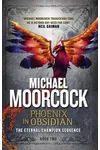
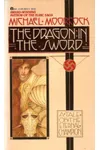
- Erekosë (John Daker): The central anchor of the mythos. Key books include The Eternal Champion, Phoenix in Obsidian (also published as The Silver Warriors), and The Dragon in the Sword.
- Elric of Melniboné: Moorcock's most celebrated sword-and-sorcery antihero. Key stories include Elric of Melniboné, The Sailor on the Seas of Fate, and the apocalyptic conclusion Stormbringer.
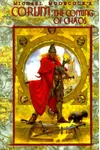
- Corum: Composed of two distinct trilogies: The Swords Trilogy (focusing on the Coming of Chaos) and The Chronicles of Corum (focusing on the Silver Hand).
- Dorian Hawkmoon: Composed of two sequences: The History of the Runestaff (classic fantasy quest) and the follow-up Chronicles of Castle Brass.
- A Nomad of the Time Streams: Features Oswald Bastable in a proto-steampunk trilogy of alternative histories (The Warlord of the Air, The Land Leviathan, and The Steel Tsar).
- The Dancers at the End of Time: A satirical, far-future science fiction trilogy set at the end of the universe, featuring Jherek Carnelian.
The Systematic Omnibus Approaches
In the 1990s, publishers worked with Michael Moorcock to collect his massive body of work into definitive, revised omnibus series. If you are looking to collect physical editions, you will generally follow one of two classic setups.
The Millennium UK Omnibus Order (14 Volumes)
Published in the UK during the 1990s, this series compiled and revised the texts to establish a unified flow. It remains a collector favorite:
- Von Bek
- The Eternal Champion
- Hawkmoon: The History of the Runestaff
- Corum: The Coming of Chaos
- Sailing to Utopia
- A Nomad of the Time Streams
- The Dancers at the End of Time
- Elric: Song of the Black Sword
- Jerry Cornelius: The New Nature of the Catastrophe
- Corum: The Prince with the Silver Hand
- Legends from the End of Time
- Stormbringer
- Earl Aubec and Other Stories
- Count Brass
The White Wolf US Omnibus Order (15 Volumes)
Released shortly after the Millennium editions, this US series rearranged some of the internal stories and added a fifteenth volume:
- The Eternal Champion
- Von Bek
- The Mad God's Amulet
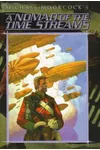
- A Nomad of the Time Streams
- Elric: Song of the Black Sword
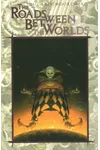
- The Roads Between the Worlds
- The Dragon in the Sword
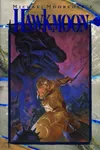
- Hawkmoon
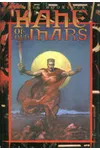
- Kane of Old Mars
- The Dancers at the End of Time
- Stormbringer
- Corum: The Prince with the Silver Hand
- Legends from the End of Time
- Earl Aubec and Other Stories
- Count Brass
What to Know Before You Start
Moorcock wrote these books at a brisk, energetic pace. Most of the original novels are short—often under 200 pages—focusing on vivid atmospheres, philosophical themes, and rapid-fire action rather than the slow, doorstopper world-building common in modern epic fantasy. The stories explore the futility of extreme order and extreme chaos, suggesting that balance is the only way for life to thrive. Keep an eye out for recurring symbols like the Tanelorn (the peaceful city that exists in every dimension) and the Black Sword, which serve as constants across the changing faces of the multiverse.