



How to Read the Everworld Series
The Everworld saga is a single, continuous story that runs across 12 fast-paced books published between 1999 and 2001. Written by K.A. Applegate and Michael Grant (the duo behind the legendary Animorphs series), this series does not have complex chronological prequels, spin-off novels, or parallel story arcs. To experience the story correctly, you must read the books in their strict publication order.
Reading the series out of order is highly discouraged. Each novel picks up directly where the previous one left off, building on character development, evolving relationships, and the overarching quest to find Senna and escape the mythological wonderland.
The Everworld Reading Order
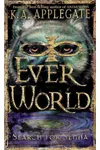
- Search for Senna (1999) – Narrated by David Levin. The story begins as four classmates are pulled into a parallel world following a mysterious girl named Senna.
- Land of Loss (1999) – Narrated by Christopher Hitchcock. The group navigates Viking hordes and deals with initial factions forming among themselves.
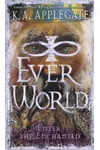
- Enter the Enchanted (1999) – Narrated by April O'Brien. The teens cross paths with Roman and Greek pantheons, encountering gods who are far from benevolent.
- Realm of the Reaper (1999) – Narrated by Jalil Sherman. A dark journey into the realm of Hel, where science meets supernatural terror.
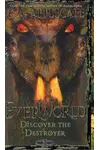
- Discover the Destroyer (2000) – Narrated by David Levin. The threat of the alien Devourer grows, forcing the teens to interact with Aztec mythology.
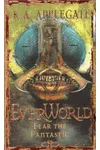
- Fear the Fantastic (2000) – Narrated by Christopher Hitchcock. The characters face Irish myths and the swampy, dangerous terrain of Everworld.
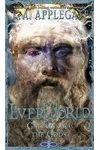
- Gateway to the Gods (2000) – Narrated by April O'Brien. Focuses on the struggle against the Norse god Loki and the search for a way back home.
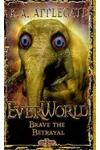
- Brave the Betrayal (2000) – Narrated by Jalil Sherman. Tensions peak within the group as magic, illusions, and trust are pushed to their limits.
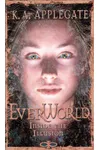
- Inside the Illusion (2000) – Narrated by Senna Wales. A unique entry in the series that shifts focus to the perspective of the enigmatic witch who brought them there.
- Understand the Unknown (2000) – Narrated by David Levin. The teens must face the escalating dread of the Devourer and coordinate with local deities.
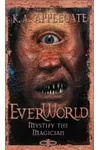
- Mystify the Magician (2001) – Narrated by Christopher Hitchcock. The penultimate chapter where alliances are tested as the end approaches.
- Entertain the End (2001) – Narrated by April O'Brien. The final showdown that wraps up the mythological epic.
Understanding the Rotating Point of View (POV)
One of Everworld's most defining characteristics is its rotating narration. Just as K.A. Applegate and Michael Grant did in Animorphs, they opted to change first-person narrators with every book. This gives readers a deep, multifaceted look at the events unfolding, as well as the unique mental struggles of each teenager. The perspective rotation follows a highly structured four-character cycle, with one major interruption near the end.
- David Levin: The de facto leader who struggles with his feelings for Senna and fears of cowardice. David narrates books 1, 5, and 10.
- Christopher Hitchcock: The cynical, sarcastic jock who deals with underlying prejudices and his own insecurities. Christopher narrates books 2, 6, and 11.
- April O'Brien: April is a devout Christian, a theater enthusiast, and Senna's half-sister. She brings a moral and analytical lens to the group. April narrates books 3, 7, and 12.
- Jalil Sherman: A hyper-rational, scientific skeptic who uses logic to process the supernatural chaos around him while managing severe Obsessive-Compulsive Disorder (OCD). Jalil narrates books 4 and 8.
- Senna Wales: The manipulative girl at the center of the conflict. Breaking the standard rotation, Senna narrates book 9, Inside the Illusion, providing crucial insight into her motives.
The Mythological Cosmology of Everworld
Unlike standard high fantasy where magic is self-contained, Everworld is built as a sanctuary for ancient mythologies. The premise is that when human belief in the old gods waned on Earth, the deities built a parallel, patchwork realm to survive. Within Everworld, these pantheons exist in fragile, often hostile proximity to one another. During their journey, David and his friends encounter a wide array of deities, including:
- Norse Mythology: Odin, Thor, Loki, and Hel play major roles, showing a gritty, warlike depiction of Viking lore.
- Greek & Roman Mythology: Zeus, Hera, Ganymede, and Dionysus make notable, often terrifying appearances.
- Egyptian Mythology: The terrifying god Sobek and the worshipers of Ra present unique dangers.
- Aztec Mythology: Huitzilopochtli, the god of war, appears alongside bloody rituals that highlight the cultural friction of the world.
- The Devourer (Ka Anor): An alien, cosmic god representing a threat to all deities in Everworld.
What to Know Before You Start
Before diving into Everworld, there are a few practical elements to keep in mind. First, this series has a significantly darker, grittier tone than Animorphs. The authors targeted an older young-adult demographic, incorporating graphic mythological violence, themes of prejudice, mental health struggles, and moral ambiguity. The heroes are highly flawed individuals who make mistakes, bicker, and sometimes betray one another, which makes their survival struggle feel raw and realistic.
Second, the ending of the series is famously controversial. Because the series was canceled due to declining sales, the 12th book, Entertain the End, serves as a sudden conclusion. The story wraps up the immediate conflict but leaves several character arcs and long-term resolutions open-ended, which remains a frequent topic of debate in fan circles on Reddit and Goodreads.
Finally, there are no official spin-off books or short stories to track down. The only companion item is a promotional CD titled The Everworld Experience, which was released by Scholastic to market the third book, featuring ambient track themes representing the fantasy world.