
Recommended Reading Order for Fairy Blossoms
The Fairy Blossoms series, written by Suzanne Williams and beautifully illustrated by Fiona Sansom, is best read in publication order. Because each book introduces a new fairy student and builds on the magic lessons taught at Mistress Lily’s Fairy School, reading them sequentially helps young readers follow the social dynamics of Cloverleaf Cottage.
Here is the complete publication and chronological order for the series:
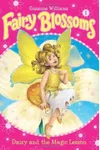
- Daisy and the Magic Lesson (2008)
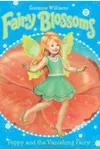
- Poppy and the Vanishing Fairy (2008)
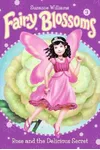
- Rose and the Delicious Secret (2008)
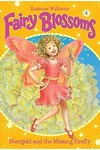
- Marigold and the Missing Firefly (2008)
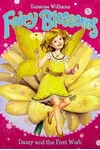
- Daisy and the First Wish (2009)
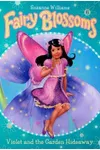
- Violet and the Garden Hideaway (2010)
Fairy Blossoms: The Book-by-Book Breakdown
Each story in the series spotlights a specific fairy facing a unique personal challenge, resolving it through friendship, kindness, and clever problem-solving.
1. Daisy and the Magic Lesson (2008)
The series kicks off with Daisy, a young fairy who struggles because she doesn't seem to possess any flashy or impressive magical skills. While her classmates show off their abilities at Mistress Lily’s Fairy School, Daisy feels left out. However, when a human child falls into trouble and needs the fairies' help, Daisy discovers that her unique practical talents are exactly what is needed to save the day, teaching young readers that everyone has their own special strengths.
2. Poppy and the Vanishing Fairy (2008)
Adventure calling! When the beloved teacher Mistress Lily suddenly goes missing, the students are left confused and worried. Poppy, a determined fairy with shape-shifting abilities, leads the search party. Mounting flying ponies, Poppy and her classmates set off into the forest, where they encounter a magical creature and must unravel a mysterious enchantment to bring their teacher safely back to Cloverleaf Cottage.
3. Rose and the Delicious Secret (2008)
This installment brings a cozy, culinary mystery to the school. Rose is a sweet-natured fairy who loves treats. When delicious baked goods begin appearing mysteriously overnight at Cloverleaf Cottage, it creates quite a stir—and a lot of worry for the school's cook. Rose decides to play detective to uncover the secret baker, finding that sharing and honesty are the sweetest ingredients of all.
4. Marigold and the Missing Firefly (2008)
Marigold is a fashion-forward fairy who is absolutely devoted to her pet firefly, Flash. When Flash suddenly goes missing, Marigold is completely heartbroken. Unwilling to give up, she rallies her friends to search the surrounding forest. The book highlights themes of loyalty, dedication, and the special bond between children (or fairies) and their pets.
5. Daisy and the First Wish (2009)
Daisy returns to the spotlight in the fifth book. This time, she is tasked with helping a human girl named Nina. Nina has a deep wish, but it is the kind of wish that cannot simply be solved with a quick wave of a magic wand. Daisy has to think outside the box and use empathy and real-world action to help Nina, showcasing the transition from simple fairy tricks to genuine heart-to-heart assistance.
6. Violet and the Garden Hideaway (2010)
The final book focuses on Violet, a shy fairy who possesses the unique ability to turn invisible. After an embarrassing incident in class makes her feel exposed, Violet uses her magic to hide away from everyone. She stays in her garden hideaway until she notices a human friend in desperate need of help. Stepping out of her comfort zone, Violet learns to embrace her vulnerability and discovers the strength of her own presence.
Where to Start and Reading Caveats
If you are introducing a young reader to the series, we highly recommend starting with Daisy and the Magic Lesson. It establishes Cloverleaf Cottage, introduces Mistress Lily, and sets the cozy, supportive tone of the school environment. However, because each book is a self-contained adventure, kids can easily pick up any book featuring their favorite flower-named fairy without feeling completely lost.
One minor detail to note is that HarperCollins lists the first five books on their official platform, while the sixth book, Violet and the Garden Hideaway, can sometimes be harder to find in physical print, though it is fully cataloged on Goodreads and secondary library databases. If you are collecting the entire set, you may need to look for used copies of the final book.
What to Know Before You Start
The Fairy Blossoms series is perfectly tailored for early readers transitioning from picture books to independent chapter books. Here are a few things to keep in mind:
- Target Age Group: The publisher lists the reading level for kids aged 5 to 8 (or grades K-3), while some databases recommend it up to age 10. The books are roughly 96 pages long, featuring large print and engaging illustrations by Fiona Sansom on nearly every spread to keep young readers motivated.
- Cozy Atmosphere: Unlike high-stakes fantasy adventure series, Fairy Blossoms features gentle conflicts. The focus is on social-emotional learning, such as overcoming embarrassment, managing jealousy, finding hidden talents, and collaborating to solve problems.
- No Complex Reading Orders: There are no spin-offs, prequels, or complicated chronological shifts to worry about. You can stick strictly to the numerical publication order.
What to Read Next
If your young reader has finished all six books and wants more magical adventures, author Suzanne Williams has written several other highly popular series that make for great next steps:
- Princess Power: A six-book series starting with The Perfectly Proper Prince, featuring illustrations by Chuck Gonzales, aimed at a similar age group and focusing on fairy-tale-inspired humor and girl power.
- Goddess Girls: Co-authored with Joan Holub, this mega-popular series reimagines Greek mythology at Mount Olympus Academy. It is perfect for slightly older readers (ages 8–12) who enjoyed the school-day dynamics of Cloverleaf Cottage.
- Little Goddess Girls: A younger, simpler spin-off of the main Goddess Girls series, perfect for ages 6–9 who still want that cozy, magical classroom vibe.