
The Recommended Reading Path
To experience the magic of the Enchanted Wood at its best, you should follow the core series in its original publication order. While there are prequels, character origins, and modern companion books, the heart of the series is a sequential adventure that builds from one book to the next. Starting with the first book is essential because it introduces the key human siblings, the magical residents of the tree, and the rules of the changing lands.
Here is the recommended reading path for the main storyline:
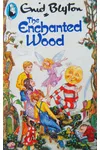
- The Enchanted Wood (1939) – The essential starting point where the children discover the Enchanted Wood and their new magical friends.
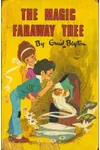
- The Magic Faraway Tree (1943) – The adventure continues as the children return with their cousin and explore famous lands like the Land of Goodies.
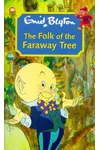
- The Folk of the Faraway Tree (1946) – The third main novel, introducing new characters and dealing with a skeptical visitor named Connie.
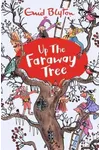
- Up the Faraway Tree (1951) – A shorter, strip-book format story that serves as the final original volume written by Enid Blyton.
The Original Main Series
Enid Blyton written three main novels that form the core Faraway Tree trilogy. These books are longer, chapter-driven stories featuring the siblings Jo, Bessie, and Fanny (updated in modern editions to Joe, Beth, and Frannie). A fourth book, Up the Faraway Tree, was published in 1951. Originally serialized as picture-strip stories in Blyton's Sunny Stories magazine, it was out of print for decades until being revived in popular reprint editions in the 1980s.
The stories follow a simple, satisfying structure: the children climb the giant Faraway Tree, meet its quirky inhabitants, climb through the cloud at the very top, and explore a magical land. They must return before the land moves away from the tree, or they risk being trapped there until the land rotates back around.
Meet the Magic Tree Dwellers
As the children climb the tree, they pass the homes of its unique residents. Some of the most beloved characters include:
- Moon-Face: A friendly character with a round face who lives near the top of the tree. His house contains a curved slide (the Slip-er-Slide) down the center of the trunk, which visitors can ride for a small fee of a pop biscuit.
- Silky the Fairy: A sweet-natured fairy who frequently serves delicious magical treats like pop biscuits and toffee shocks.
- The Saucepan Man: A hard-of-hearing gentleman covered in pots, pans, and kettles that clash loudly whenever he moves.
- Dame Washalot: A resident who spends all her time washing laundry and pouring the dirty, soapy water down the side of the tree.
- The Angry Pixie: A hot-tempered pixie who gets cross whenever anyone looks into his window or makes too much noise outside his house.
Prequels and Character Origins
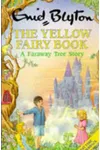
For readers who want to trace the earliest roots of this magical world, Enid Blyton actually introduced some of these concepts before the first book was written. In The Yellow Fairy Book (1936), she published a collection of fairy tales that featured the very first prototype appearances of Moon-Face and other elements. Blyton later revised the collection in 1952 to tie it directly into the established continuity of the main Faraway Tree books. While not strictly necessary for the main storyline, it is a fascinating piece of literary history for dedicated fans.
Modern Continuations by Jacqueline Wilson
In recent years, the Enid Blyton Estate authorized acclaimed children's author Jacqueline Wilson to write official sequels. These books introduce a new group of modern children who find the Enchanted Wood and visit the same iconic tree-dwellers, blending modern sensibilities with Blyton's classic charm.
- The Magic Faraway Tree: A New Adventure (2022) – Siblings Milo, Mia, and Birdy are sent to stay in the countryside, where they discover the wood, meet Silky and Moon-Face, and visit the Land of Unicorns.
- The Magic Faraway Tree: A Christmas Adventure (2023) – A festive follow-up where the children explore holiday-themed lands at the top of the tree.
A Faraway Tree Adventure (Early Reader Adaptations)
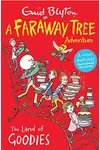
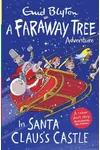
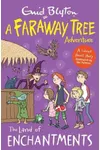
If you are introducing the Faraway Tree to younger children (aged 5 to 7), the publisher Hachette released a series of full-color, shortened storybooks starting in 2016. These adapt individual chapters and lands from the original novels into standalone picture books, making them highly accessible for early readers who are not yet ready for longer chapter books. Key titles in this spin-off series include:
- The Land of Goodies (2016)
- In Santa Claus's Castle (2016)
- The Land of Enchantments (2017)
- The Land of Birthdays (2016)
- The Land of Toys (2016)
What to Know Before You Start
Before diving into the books, it is helpful to understand a few details about the text. Because the original books were written in the 1930s and 1940s, publishers updated the names in modern editions to make them more familiar to contemporary readers. The original siblings Jo, Bessie, and Fanny became Joe, Beth, and Frannie, and their cousin Dick was renamed Rick. Additionally, some outdated language and minor disciplinary details were modernized to keep the focus entirely on the whimsical fantasy elements of the story.
The series is widely praised for its accessibility; books can technically be read out of order because each chapter functions as a self-contained adventure in a specific land. However, reading them in sequence is highly recommended to appreciate the growth of the children's friendships with the tree residents and the introductions of new recurring characters like Connie and Rick.