


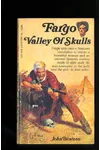
How to Read the Fargo Series
Neal Fargo's adventures are highly episodic, meaning you can jump in almost anywhere without getting lost in complex multi-book plotlines. However, for the best reading experience, it is highly recommended to follow the publication order. Starting with the early releases allows you to watch the character's signature style and the late-frontier setting establish themselves.
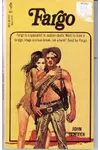
The first book, simply titled Fargo (often published as Book 1, though sometimes listed in different sequences depending on the edition), sets the stage perfectly by introducing Fargo's background, his cynical worldview, and his preferred arsenal. From there, the series takes you from the scorching deserts of Mexico to the freezing goldfields of Alaska, reflecting the globe-trotting mercenary lifestyle of its protagonist.
Publication Order of Fargo Books
While the full series spans 23 novels published between 1969 and 1977 (with some posthumous releases and reprints extending later), most database records and collectors focus on the core 15 novels. Here is the publication order for the main titles in the series:
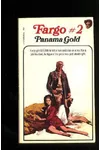
- Panama Gold (1969)
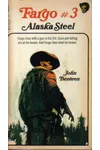
- Alaska Steel (1969)
- Massacre River (1969)
- Fargo (1969)
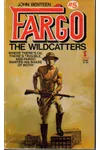
- The Wildcatters (1970)
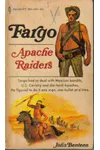
- Apache Raiders (1970)
- Black Bulls (1971)
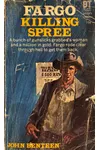
- Killing Spree (1971)
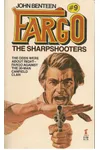
- Sharpshooters (1972)
- Wolf's Head (1973)
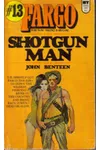
- Shotgun Man (1973)
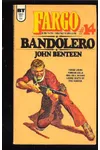
- Bandolero (1974)
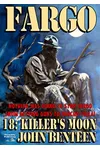
- Killer's Moon (1976)
- Dakota Badlands (1977)
- Valley of Skulls (1982)
Other hard-to-find titles in the complete 23-book run include Dynamite Fever, Gringo Guns, Sierra Silver, Hell on Wheels, and Death Valley Gold. These paperbacks are highly sought after by collectors of vintage 1970s men's adventure pulp.
Chronological Order and Setting Caveats
Because the Fargo books were written as quick-turnaround paperbacks, there is no strict, continuous chronological timeline. The stories are generally set during the twilight of the Wild West—roughly between 1900 and 1918. Fargo is depicted as a veteran of Theodore Roosevelt’s Rough Riders, placing his backstory in the Spanish-American War and the subsequent conflict in the Philippines.
Instead of worrying about internal timeline continuity, readers should enjoy the books as individual missions. Fargo travels wherever the money is, serving as a bodyguard, guide, or mercenary in local conflicts. This means you do not need to worry about cliffhangers or reading the books in a strict chronological sequence to understand the plot.
The Authors Behind "John Benteen"
The name on the cover of the Fargo books is almost always John Benteen, but the authorship behind the scenes is a bit more complicated:
- Ben Haas (The Creator): The vast majority of the series was written by the prolific paperback author Ben Haas (1926–1977). Haas was known for his incredible work ethic, frequently writing thousands of words a day with a strong emphasis on historical details and realistic weaponry.
- Joel Haas (The Son): Ben's son, Joel Haas, contributed to the series as a ghostwriter under his father's close supervision, notably writing Death Valley Gold.
- John W. Hardin: Three books in the series—Sierra Silver, Dynamite Fever, and Gringo Guns—were published under the pen name John W. Hardin (often attributed to Norman Rubington). Western enthusiasts often note that these three novels have a slightly different tone and style, particularly in how they describe firearms and action sequences.
What to Know Before You Start
Neal Fargo is not your typical clean-cut Hollywood cowboy. He is a gritty, pragmatic mercenary who fights for pay rather than justice. His signature weapons include a custom-cut, double-barrel 10-gauge shotgun and a Filipino Batangas knife (an early form of the balisong or butterfly knife), reflecting his military service in the Pacific.
The series is a product of the 1970s men's adventure boom, meaning the stories feature graphic action, tough-guy dialogue, and dated social attitudes typical of the era's pulp fiction. If you enjoy fast-paced, rugged, and morally complex western adventures in the style of movies like The Wild Bunch, the Fargo series is a classic must-read.