
The Recommended Reading Order: Why Publication Order is King
Robin Hobb’s Realm of the Elderlings is one of the most celebrated achievements in modern fantasy. While it begins with the personal, character-driven story of a royal bastard, it eventually expands into a massive, multi-faceted epic spanning five distinct subseries. The official consensus from Robin Hobb, her publishers, and the reading community is clear: you should read the series in publication order. Reading the books in the order they were written ensures that you experience the natural progression of the world's lore, witness characters age realistically, and avoid major spoilers for preceding subseries.
A common mistake first-time readers make is trying to read only the books featuring Fitz and the Fool, skipping the Liveship Traders and Rain Wild Chronicles. Doing so is highly discouraged. Although the setting and cast shift in these middle series, the events, magic systems, and characters introduced in them are essential to understanding the emotional and narrative payoffs in the final trilogies. Below is the complete, recommended path to experiencing the Realm of the Elderlings.
The Core Realm of the Elderlings Novels
1. The Farseer Trilogy (1995–1997)
This is where your journey begins. The Farseer Trilogy introduces readers to the coastal kingdom of the Six Duchies and FitzChivalry Farseer, the illegitimate son of a prince. Trained in secret to be an assassin for the crown, Fitz must navigate deadly court intrigues, external threats from the Red Ship Raiders, and the awakening of two opposing magic systems: the telepathic Skill and the animal-bonding Wit.
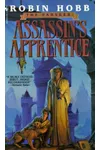
- Assassin’s Apprentice (1995): A young Fitz is brought to court, dealing with loneliness, training, and political plots.
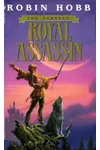
- Royal Assassin (1996): Fitz grows into his role as court assassin while the threat of the Raiders increases and internal betrayal looms.
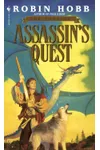
- Assassin’s Quest (1997): A darker, journey-focused conclusion where Fitz embarks on a desperate quest to save the kingdom.
2. The Liveship Traders Trilogy (1998–2000)
After finishing the Farseer Trilogy, the story shifts south to Bingtown and the Pirate Isles. This trilogy is written in the third person with a multi-POV structure, focusing on sentient merchant vessels made of wizardwood. While it seems detached at first, this trilogy expands the lore of dragons, Elderlings, and wizardwood, which becomes vital later on. It also features a hidden fan-favorite character under a clever disguise.
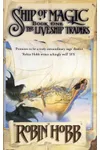
- Ship of Magic (1998)
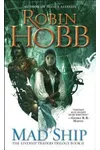
- The Mad Ship (1999)
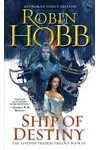
- Ship of Destiny (2000)
3. The Tawny Man Trilogy (2001–2003)
With the Tawny Man Trilogy, Hobb returns to the first-person perspective of an older, reclusive Fitz. Fifteen years have passed since the events of Assassin's Quest. Fitz is pulled back into court politics to help secure the future of the Farseer line and protect the Prince. This trilogy builds directly upon the events of both the Farseer and Liveship Traders trilogies.
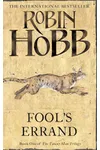
- Fool’s Errand (2001)
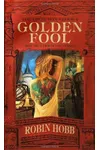
- Golden Fool (2002)
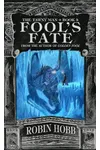
- Fool’s Fate (2003)
4. The Rain Wild Chronicles (2009–2013)
This four-book subseries returns to the southern region, specifically the toxic Rain Wild River. It follows a group of keepers guiding a weak generation of newly hatched dragons upstream to find their ancestral home of Kelsingra. It bridges the gap between Tawny Man and the final trilogy, dealing with the resurgence of dragons and their impact on human politics.
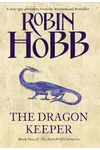
- Dragon Keeper (2009)
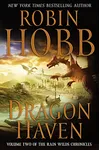
- Dragon Haven (2010)
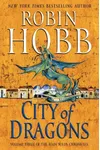
- City of Dragons (2011)
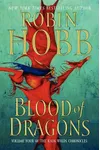
- Blood of Dragons (2013)
5. The Fitz and the Fool Trilogy (2014–2017)
The grand finale of the Realm of the Elderlings brings Fitz and the Fool back to the spotlight. This trilogy ties together every single narrative thread from all four previous subseries. Characters and plots from the Six Duchies, Bingtown, and the Rain Wilds collide in a sweeping, highly emotional conclusion that yields maximum payoff if you read everything that came before.
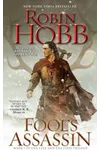
- Fool’s Assassin (2014)
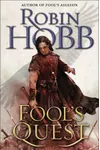
- Fool’s Quest (2015)
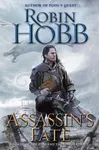
- Assassin’s Fate (2017)
Chronological Caveats and Shorter Companion Works
In addition to the main novels, Robin Hobb has written several short stories and novellas that flesh out the history and lore of the world. While they are optional, they are wonderful additions for dedicated fans.
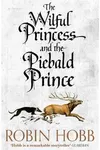
The Willful Princess and the Piebald Prince (2013): This prequel novella is set roughly two centuries before the events of Assassin's Apprentice. It explains the origin of the Piebald conspiracy and the historic stigma against the Wit magic in the Six Duchies. Recommended Reading Point: Although it is chronologically first, it is best read after finishing the Tawny Man Trilogy, as the themes and historical events resonate much more deeply after you understand their long-term consequences.
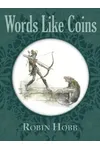
Words Like Coins (2012): A short story focusing on Peottre and the hedge-witches. It is set during the timeline of the Farseer Trilogy. Recommended Reading Point: Read any time after the Farseer Trilogy as a fun companion piece.
The Inheritance & Other Stories (2011): This collection contains three short stories set in the Realm of the Elderlings: "Homecoming" (an origin story of the Rain Wilds settlement, first published in 2003), "The Inheritance", and "Cat's Meat". Recommended Reading Point: Read "Homecoming" after the Liveship Traders Trilogy to provide context for the Rain Wild Chronicles.
What to Know Before You Start
Before diving in, new readers should understand that Hobb's work is intensely character-driven. While there are elements of high fantasy, magic, and political intrigue, the pacing is deliberate, focusing heavily on internal dialogue, domestic activities, relationships, and emotional struggles. Fitz is not a typical overpowered fantasy protagonist; he makes mistakes, suffers trauma, and lives with the consequences. The magic systems are also unique: the Skill is a telepathic network of minds that can be addictive and dangerous, while the Wit is a quiet, ostracized bond with animals that allows for profound non-verbal understanding.