
The Recommended Reading Order for Fiona Griffiths
To fully experience the complex psychological evolution of Fiona Griffiths, it is highly recommended to read the series in its publication order. While each novel presents a self-contained murder investigation that is resolved by the final pages, the overarching narrative of Fiona's recovery from Cotard's syndrome, her complicated family background, and her evolving career with the South Wales Police build directly from one book to the next. Reading them out of order will spoil major developments in her personal life and the mysteries surrounding her childhood.
The Main Novels in Order
The primary series consists of six published novels, which should be read in this sequence:
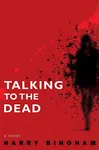
- Talking to the Dead (2012) – The debut novel that introduces Fiona as a rookie detective constable in Cardiff. When a prostitute and her young daughter are murdered in a local squat, a platinum credit card found at the scene links the crime to a deceased millionaire. Fiona must use her unconventional insights to navigate a web of high-level corruption.
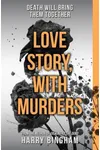
- Love Story, With Murders (2013) – Fiona is assigned to a gruesome case after a human leg is found in a suburban freezer, followed by other body parts scattered across the Welsh countryside. The clues lead back to a cold case involving a missing dancer, forcing Fiona to confront her own past.
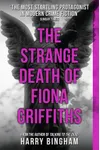
- The Strange Death of Fiona Griffiths (2014) – In this installment, Fiona goes deep undercover to dismantle a massive, multi-million-pound fraud syndicate. Adopting the alias of a lonely payroll clerk, she must live a double life that tests the limits of her mental stability and threatens to erase her true identity.
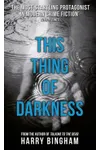
- This Thing of Darkness (2015) – A marine engineer's apparent suicide leads Fiona into a dark investigation involving shipping lanes, corporate greed, and international conspiracies. As the case deepens, she is forced to confront uncomfortable truths about her own family's financial activities.
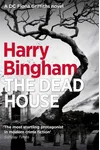
- The Dead House (2016) – The discovery of a woman's body in a remote, ruined medieval church plunges Fiona into a case steeped in local secrets and historical mysteries. The investigation leads her to a psychiatric facility and forces her to analyze the thin line between sanity and madness.
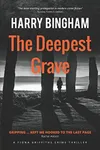
- The Deepest Grave (2017) – A murdered archaeologist is found with a antique Welsh artifact, leading Fiona on a chase that connects ancient Welsh folklore, Arthurian legends, and modern-day criminal networks.
Prequels and Side Stories
For readers who want to explore every corner of Fiona's world, there are additional shorter works to consider:
- The Night Beat (Book 0.5) – A short prequel story set before the events of the first novel. It provides a look at Fiona's early days on the police force as she begins to navigate her career while managing her mental health.
- Lev in Glasgow – A spin-off novella focused on Lev, Fiona's close friend and associate. This short work is available exclusively to subscribers of the Fiona Griffiths Readers Club on the author's official website.
What to Know Before You Start
Before diving into the atmospheric, rain-slicked streets of Cardiff, readers should understand what makes this series distinct from traditional police procedurals. The defining feature of the series is Fiona’s psychological history. She is a survivor of Cotard's syndrome (often called 'walking corpse syndrome'), a rare neuropsychiatric delusion where an individual believes they are dead, do not exist, or are actively decaying. Though Fiona is in recovery when the series begins, the remnants of this condition shape her entire worldview.
Fiona views the everyday social world as 'Planet Normal' and consciously studies human behavior to replicate expected social cues. However, her condition gives her a unique, eerie empathy for murder victims. Because she has experienced the feeling of being dead, she is not repelled by corpses or the grim realities of crime scenes, allowing her to notice subtle details and connections that other detectives overlook. The books are written in a highly distinct, staccato, first-person present-tense narration that puts readers directly inside Fiona's hyper-observant, introspective, and sometimes chaotic mind.
The Welsh setting is also a character in its own right. Harry Bingham uses the moody weather, historical ruins, and rugged landscapes of Wales to mirror Fiona's internal struggles. While the stories deal with dark themes, they are balanced by Fiona's dry, quirky humor and her fierce determination to seek justice for those who can no longer speak.
Adaptations and Future Books
In 2013, the series was adapted for television. The debut novel, Talking to the Dead, was turned into a two-part crime drama broadcast on Sky Living as part of their 'Drama Matters' season. The adaptation starred Sophie Rundle as DC Fiona Griffiths and featured Russell Tovey. While the television adaptation successfully captured the dark atmosphere of Cardiff, fans of the books note that the visual medium cannot fully replicate the intimacy and appeal of Fiona's unique internal monologue.
For fans wondering about the future of the series, Harry Bingham has confirmed that he plans to write more. The seventh installment has the working title The House at the End of the World, which will follow Fiona as she investigates a homicide at a secure psychiatric hospital on the coast of Wales. Bingham has stated that this book is intended to be the penultimate entry in the series, with an eighth novel planned to serve as the grand finale of Fiona's story.