
The Recommended Reading Order
Gerald N. Lund’s historical fiction masterpiece, the Fire and Steel saga, is a continuous, chronological narrative following two interconnected families: the Eckhardts in Bavaria, Germany, and the Westlands in Utah, USA. Because the narrative is strictly linear and tracks the historical progression of the early-to-mid 20th century, there is only one logical way to read this series. You must begin with the first volume and read them in order of publication.
Reading the books out of order will spoil major historical plot points and disrupt the multi-generational family development that is central to the series' emotional impact.
Fire and Steel Books in Chronological Order
The series consists of six volumes published between 2014 and 2019. Each book covers a specific historical period, tracing the rise of global conflicts and their impact on ordinary people.
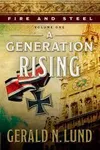
1. A Generation Rising (2014)
The series opens in rural Bavaria, Germany, introducing the Eckhardt family. The central figure, Hans Otto Eckhardt, is a brilliant, ambitious young man whose dreams of university study in Berlin are suddenly derailed by the onset of World War I. This volume establishes the core themes of the series—how individuals are refined through the fires of adversity—and sets the stage for the family's trials in the war years.
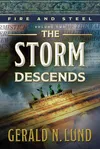
2. The Storm Descends (2015)
Picking up in the immediate aftermath of World War I (spanning roughly 1918 to 1919), this book follows Sergeant Hans Eckhardt as he returns from the front lines. Instead of a peaceful home, he finds a defeated, fractured Germany struggling with severe food shortages and political chaos. In this volume, we also see the initial connection build between the German Eckhardts and the American Westlands from Utah, offering a glimmer of hope during a dark time.
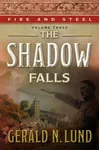
3. The Shadow Falls (2016)
Set during the early 1920s, this third installment portrays a Germany on the brink of total economic collapse. With runaway hyperinflation rendering the mark practically worthless and unemployment soaring, the public becomes increasingly desperate. This desperation opens the door for radical political figures, including a charismatic speaker named Adolf Hitler, whose message begins to sweep through Munich and Bavaria.
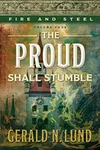
4. The Proud Shall Stumble (2017)
Covering the years 1923 to 1929, this volume highlights the rising social tension in Germany. Hans Eckhardt becomes entangled in the turbulent political currents of Bavaria, culminating in his presence at the infamous Beer Hall Putsch. Meanwhile, across the Atlantic, the Westland family experiences the prosperity and cultural shifts of the Roaring Twenties in Utah, all while keeping a worried eye on their relatives in Germany.
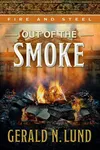
5. Out of the Smoke (2018)
Spanning 1930 to 1933, this volume centers on the devastating global impact of the Great Depression. As economic misery deepens in both the United States and Germany, political systems shift radically. The Eckhardts face direct consequences of the rising Nazi influence, and the characters must decide where their moral and spiritual loyalties lie as the world moves closer to a new conflict.
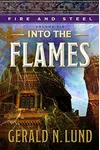
6. Into the Flames (2019)
The final book of the saga covers 1933 to 1938, detailing Adolf Hitler's consolidation of power into a total dictatorship. The narrative follows the Eckhardts as they witness the rise of state-sponsored anti-Semitism and the erosion of personal freedoms. Hans Otto Eckhardt is forced to make difficult, dangerous choices to protect his family and reject the regime's evils, concluding the series on the precipice of World War II.
What to Know Before You Start
If you are planning to read Fire and Steel, keep these key elements in mind to maximize your enjoyment of the saga:
- Deep Historical Documentation: Gerald N. Lund is known for his extensive research. Each book includes comprehensive chapter notes at the end. These notes separate historical fact from fiction, explaining the real events, political speeches, and social conditions that influence the characters.
- Latter-day Saint Perspective: While the series is a historical drama that appeals to a wide audience, it is written from a Latter-day Saint (LDS) viewpoint. The characters often grapple with questions of faith, personal testimony, and divine providence during times of intense suffering and war.
- The Dual-Country Structure: The narrative frequently jumps back and forth between Germany and the United States. This structure allows the reader to contrast the worsening conditions in Weimar and Nazi Germany with the contemporaneous struggles of the Great Depression and agricultural life in Utah.
Spin-Offs, Crossovers, and Comparisons
There are no official spin-offs, sequels, or crossovers set in the Fire and Steel universe. However, if you enjoy Gerald N. Lund's writing style, you will find direct similarities in his other major works:
- The Work and the Glory: Lund’s most famous nine-volume series is set in the 19th century and follows the Steed family through the early history of the Restoration of the LDS Church. While completely separate in characters and timeline, it uses the exact same narrative format of blending a fictional family's trials with real, documented historical figures.
- The Kingdom and the Crown: A three-volume series set in ancient Judea during the life and ministry of Jesus Christ. Like Fire and Steel, it focuses on how monumental historical events impact a local family's faith and daily survival.